
Artists Profile
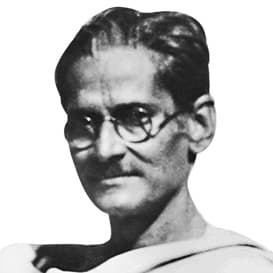
Sital Chandra Bandyopadhyay
Born in 1878, Sital Chandra Bandyopadhyay was a self-taught artist born in Barisal, East Bengal (now Bangladesh), during the late colonial period of pre-independence He belonged to a generation of artists negotiating the visual languages of tradition and modernity at a time when Indian art was undergoing significant transformation.
Deeply devoted to Krishna, Bandyopadhyay centred his artistic practice on the lyrical and emotive world of Radha and Krishna. While the prevailing influence of Raja Ravi Varma encouraged idealised, theatrical renderings of mythological subjects, Bandyopadhyay diverged from this idiom. Instead of formal, idol-like representations, he explored more intimate, humanised moments, capturing tenderness, longing, and quiet romance with a notable sensitivity.
His works reveal a distinctive synthesis of Indian pictorial traditions with elements drawn from European academic realism. This is evident in his handling of volume, perspective, and texture, which lend a sense of immediacy to otherwise timeless devotional subjects. His figures are often imbued with softness and movement, set within pastoral or dreamlike landscapes that heighten their emotional resonance.
Bandyopadhyay’s choice of materials further reflects his commitment to craft. Working in both oil and watercolour, he employed high-quality imported Italian pigments and papers, contributing to the remarkable preservation of colour and luminosity in his works even today. The enduring vibrancy of his paintings speaks to both technical proficiency and an acute understanding of medium.
Though relatively obscure in mainstream narratives of Indian art, Bandyopadhyay’s oeuvre represents a compelling and underexplored chapter in early 20th-century devotional painting. His ability to reinterpret a familiar iconography with freshness and emotional depth positions him as a significant, if overlooked, figure. His works remain a testament to a deeply personal vision, where devotion, technique, and artistic imagination converge.
Deeply devoted to Krishna, Bandyopadhyay centred his artistic practice on the lyrical and emotive world of Radha and Krishna. While the prevailing influence of Raja Ravi Varma encouraged idealised, theatrical renderings of mythological subjects, Bandyopadhyay diverged from this idiom. Instead of formal, idol-like representations, he explored more intimate, humanised moments, capturing tenderness, longing, and quiet romance with a notable sensitivity.
His works reveal a distinctive synthesis of Indian pictorial traditions with elements drawn from European academic realism. This is evident in his handling of volume, perspective, and texture, which lend a sense of immediacy to otherwise timeless devotional subjects. His figures are often imbued with softness and movement, set within pastoral or dreamlike landscapes that heighten their emotional resonance.
Bandyopadhyay’s choice of materials further reflects his commitment to craft. Working in both oil and watercolour, he employed high-quality imported Italian pigments and papers, contributing to the remarkable preservation of colour and luminosity in his works even today. The enduring vibrancy of his paintings speaks to both technical proficiency and an acute understanding of medium.
Though relatively obscure in mainstream narratives of Indian art, Bandyopadhyay’s oeuvre represents a compelling and underexplored chapter in early 20th-century devotional painting. His ability to reinterpret a familiar iconography with freshness and emotional depth positions him as a significant, if overlooked, figure. His works remain a testament to a deeply personal vision, where devotion, technique, and artistic imagination converge.

KNOW MORE
Buy
Sell
Request an Estimate
FAQs
Seller Terms
Store Terms
SERVICES
Client Advisory
Restoration
DOWNLOAD THE APP


Copyright 2026 AstaGuru. All Rights Reserved


