
Artists Profile
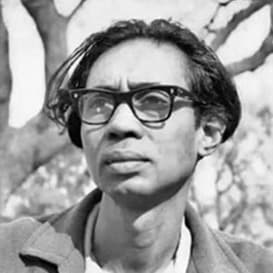
Somnath Hore
Somnath Hore was one of the most significant figures in twentieth-century Indian modern art, renowned primarily as a printmaker, sculptor and draftsman whose work powerfully reflected human suffering and socio-political realities. Born in 1921 in Chittagong (now in Bangladesh), Hore experienced hardship early in life after the death of his father. As a young man, he became associated with leftist political movements, particularly the Communist Party of India, which shaped both his social consciousness and artistic direction.
Hore studied printmaking at the Government College of Art and Craft in Calcutta, where he developed a strong foundation in graphic techniques such as lithography and intaglio. During the 1940s, he documented major historical events, including the Bengal Famine of 1943 and the Tebhaga peasant movement, producing sketches and prints that expressed the suffering and resilience of ordinary people. These experiences profoundly influenced the thematic core of his artistic practice.
By the 1950s, Hore had emerged as one of India’s foremost printmakers. Over time, he developed experimental techniques, most notably the paper pulp method used in his celebrated Wounds series, which evoked the scars of violence and trauma through torn, textured surfaces. In the 1970s, he also began creating bronze sculptures, often depicting skeletal or distorted figures that symbolised the pain caused by war, famine and oppression.
Hore taught printmaking at institutions including Delhi Polytechnic and later headed the Graphic Arts department at Kala Bhavana, Visva-Bharati University in Santiniketan. He remained there for much of his life, influencing generations of artists.
Somnath Hore passed away in 2006 at the age of eighty-five. His contributions to Indian art were recognised with numerous honours, including the Padma Bhushan, awarded posthumously in 2007.
Hore studied printmaking at the Government College of Art and Craft in Calcutta, where he developed a strong foundation in graphic techniques such as lithography and intaglio. During the 1940s, he documented major historical events, including the Bengal Famine of 1943 and the Tebhaga peasant movement, producing sketches and prints that expressed the suffering and resilience of ordinary people. These experiences profoundly influenced the thematic core of his artistic practice.
By the 1950s, Hore had emerged as one of India’s foremost printmakers. Over time, he developed experimental techniques, most notably the paper pulp method used in his celebrated Wounds series, which evoked the scars of violence and trauma through torn, textured surfaces. In the 1970s, he also began creating bronze sculptures, often depicting skeletal or distorted figures that symbolised the pain caused by war, famine and oppression.
Hore taught printmaking at institutions including Delhi Polytechnic and later headed the Graphic Arts department at Kala Bhavana, Visva-Bharati University in Santiniketan. He remained there for much of his life, influencing generations of artists.
Somnath Hore passed away in 2006 at the age of eighty-five. His contributions to Indian art were recognised with numerous honours, including the Padma Bhushan, awarded posthumously in 2007.

KNOW MORE
Buy
Sell
Request an Estimate
FAQs
Seller Terms
Store Terms
SERVICES
Client Advisory
Restoration
DOWNLOAD THE APP


Copyright 2026 AstaGuru. All Rights Reserved


