
Artists Profile
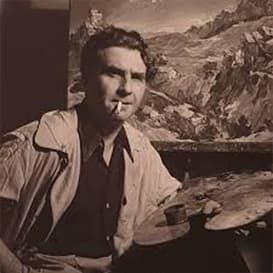
Walter Langhammer
Walter Langhammer was an Austrian painter, art teacher and influential supporter of modern art in India. Born in Graz in 1905, he arrived in India in the late 1930s with his wife Käthe Urbach, leaving Europe as the political situation there deteriorated under the rise of Nazism. Some accounts suggest that the couple were briefly arrested by the British authorities upon their arrival before being released with the assistance of the art critic Rudolf von Leyden.
Langhammer settled in Bombay, where he became the first art director of *The Times of India*. His apartment studio at Nepean Sea Road soon developed into an important meeting point for artists, writers and intellectuals. Figures such as Rudolf von Leyden, Emmanuel Schlesinger and young members of the emerging Progressive Artists’ Group gathered there regularly to exchange ideas and debate modern art. Through these interactions Langhammer became an important mentor and interlocutor for several of the Progressives, encouraging close engagement with both European modernism and the traditions of Indian art.
His own paintings reflected a background shaped by German Expressionism, but the light and colour of India brought a renewed vitality to his work. During his years in Bombay he exhibited frequently with the Bombay Art Society and remained actively involved with the organisation. He served as its chairman in 1938 and later as a committee member for the Society’s diamond jubilee exhibition in 1952–53. Langhammer also collaborated with Kekoo Gandhy in designing high quality frames for paintings at Chemould Frames, which later developed into Gallery Chemould.
After several decades in India, Langhammer returned to Europe with his wife in the 1970s. He continued to paint and write, maintaining his engagement with art and artists until his death in 1977 at the age of seventy two. Today he is remembered not only for his own artistic practice but also for the crucial role he played in fostering dialogue around modern art in Bombay during a formative moment in the history of Indian modernism.
Langhammer settled in Bombay, where he became the first art director of *The Times of India*. His apartment studio at Nepean Sea Road soon developed into an important meeting point for artists, writers and intellectuals. Figures such as Rudolf von Leyden, Emmanuel Schlesinger and young members of the emerging Progressive Artists’ Group gathered there regularly to exchange ideas and debate modern art. Through these interactions Langhammer became an important mentor and interlocutor for several of the Progressives, encouraging close engagement with both European modernism and the traditions of Indian art.
His own paintings reflected a background shaped by German Expressionism, but the light and colour of India brought a renewed vitality to his work. During his years in Bombay he exhibited frequently with the Bombay Art Society and remained actively involved with the organisation. He served as its chairman in 1938 and later as a committee member for the Society’s diamond jubilee exhibition in 1952–53. Langhammer also collaborated with Kekoo Gandhy in designing high quality frames for paintings at Chemould Frames, which later developed into Gallery Chemould.
After several decades in India, Langhammer returned to Europe with his wife in the 1970s. He continued to paint and write, maintaining his engagement with art and artists until his death in 1977 at the age of seventy two. Today he is remembered not only for his own artistic practice but also for the crucial role he played in fostering dialogue around modern art in Bombay during a formative moment in the history of Indian modernism.

KNOW MORE
Buy
Sell
Request an Estimate
FAQs
Seller Terms
Store Terms
SERVICES
Client Advisory
Restoration
DOWNLOAD THE APP


Copyright 2026 AstaGuru. All Rights Reserved


