10 of the most famous swan paintings throughout history
.jpg&w=3840&q=75)
Swans are admired for their elegance and serene presence, making them one of the most captivating creatures in nature. Gliding effortlessly across calm waters, they have long been associated with beauty, purity, and grace. Beyond their visual appeal, swans also embody deep emotional meanings, from lifelong love and devotion to transformation and renewal.
This fascination with swans is not a modern phenomenon. Across ancient myths, folklore, and classical art, swans frequently appeared as powerful symbols of romance, fidelity, and spiritual transcendence. Artists throughout history were drawn to their refined forms and symbolic richness, often using swans to convey themes of harmony, innocence, and poetic beauty within their compositions.
In the contemporary world, swan imagery continues to inspire artists, collectors, and art lovers alike. Swan paintings are cherished in homes, galleries, and personal collections for the sense of calm and sophistication they bring to a space. Whether rendered in realistic detail or expressive abstraction, these artworks celebrate the timeless allure of swans.
Among the many ways to honor the beauty of swans, painting them remains one of the most expressive. In the list below, we explore some of the most remarkable swan paintings throughout history, works that have captured their elegance and secured their place in the artistic legacy of the world.
1. The Threatened Swan by Jan Asselijn (c. 1650)
Artist and Background
This dramatic Baroque painting was created around 1650 by Dutch master Jan Asselijn. It is one of the most iconic depictions of a swan in Western art history.
Description
The painting shows a life-size mute swan with wings spread wide as it defends its nest against a dog. Its stance and intense expression create a powerful moment of tension and drama.
Historical Importance
Although originally a naturalistic scene, later viewers interpreted the swan as a symbol of political resistance, and inscriptions were added to give it allegorical meaning related to Dutch national history. Today it is in the Rijksmuseum in Amsterdam and remains one of the museum’s most celebrated works.
2. Leda and the Swan by Antonio da Correggio (1530–31)
Artist and Background
Italian Renaissance painter Correggio created this version of the myth of Leda and Zeus in swan form.
Description and Style
The oil on canvas shows three episodes of Leda’s encounter with the swan, combining erotic mythological storytelling with graceful composition and soft, sensuous forms typical of Correggio’s mature style.
Art Historical Context
The theme of Leda and the Swan was popular among Renaissance artists but is notable in Correggio’s oeuvre for its emotional intensity and complex narrative structure.
3. The Swan Princess by Mikhail Vrubel (1900)
Artist and Background
Russian Symbolist painter Mikhail Vrubel painted this depiction connected to the opera The Tale of Tsar Sultan, which was itself based on Pushkin’s fairytale.
Description and Symbolism
The elongated, mystical figure of the Swan Princess blends human and swan features, reflecting both the theatrical source and Vrubel’s interest in mythic transformation. The work is characteristic of the turn of the century’s blend of fairy tale, symbolism, and expressive color.
Museum and Reception
The painting resides in Moscow’s Tretyakov Gallery, where it is celebrated as a masterpiece of Russian Symbolism.
4. Three Swans by Henri-Edmond Cross (c. 1900)
Artist and Background
French neo-impressionist painter Henri-Edmond Cross created Family of Swans around 1900 in a pointillist style, emphasizing light and color interaction.
Description and Technique
This work uses tiny dots and patches of color that blend in the viewer’s eye. The composition shows three white swans on luminous water with reflections creating rhythm and harmony.
Influence
Cross was a key figure in the development of Neo-Impressionism, and his serene portrayal of swans stands as an elegant representation of nature through modernist technique.
5. Swan Upping at Cookham by Sir Stanley Spencer (1915–1919)
Artist and Background
British painter Stanley Spencer documented the traditional Thames River ceremony of marking swans. His Swan Upping scenes capture rural life and ritual with a mix of realism and personal style.
Description
Rather than focusing on a single swan, Spencer’s painting depicts men, boats, and swans during the annual event, situating the elegant waterbirds in a cultural and communal setting.
Art Historical Context
Spencer’s work often blended spirituality, everyday life, and local tradition. His swan scenes are both documentary and expressive.
6. Multiple Interpretations of Leda and the Swan (Various Artists)
Art Historical Tradition
The myth of Leda and the Swan was interpreted by many artists including Raphael, Cesare da Sesto, Paul Cézanne, Francesco Melzi and others. Versions vary from sensual to symbolic and are among the most widely studied Renaissance and post-Renaissance works.
Cézanne’s Approach
Paul Cézanne’s renditions bring a modern psychological dimension to the story through structured form and expressive color.
Influence
These works illustrate how a mythological subject can generate diverse visual interpretations across different art periods.
7. Alicia Markova “The Dying Swan” by Vladimir Tretchikoff (1949)
Artist and Background
Though not as old as other entries here, Tretchikoff’s painting links the performing arts and visual art. It depicts ballet dancer Alicia Markova intertwined with the swan she is performing as in the ballet The Dying Swan.
Description and Meaning
The fusion of dancer and swan symbolizes the fleeting beauty of performance and life, creating an emotional, almost surreal portrait.
8. Saraswati on Hamsa (1895)
Cultural and Artistic Background
While not Western, this Indian painting depicts the Hindu goddess Saraswati riding a hamsa, a mythic swan-like bird often associated with wisdom and grace.
Description
This work uses detailed ornamentation and symbolism to convey spirituality, with the hamsa representing purity and artistic inspiration.
9. Swans in Impressionist Landscape (Various Artists)
Examples and Influence
Artists associated with Impressionism and post-Impressionism often placed swans in aquatic landscapes. These may not all be individually famous paintings but represent a recurring theme showing the reflection and movement of light on water with graceful birds.
Symbolism
Swans in these contexts symbolize tranquility and beauty in nature, aligning with the broader goals of landscape painting in these movements.
10. A Young Girl Plucking a White Swan by Anna Ancher (1899)
Artist and Ba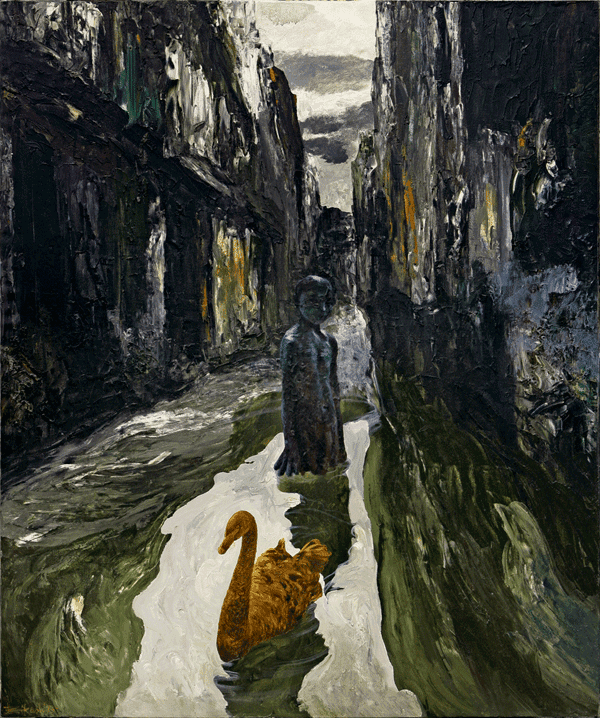 ckground
Danish painter Anna Ancher depicted everyday life and the relationship of humans with nature. Her work A Young Girl Plucking a White Swan shows intimate observation of a quiet moment.
Description and Interpretation
The soft palette and gentle composition suggest contemplation, loss of innocence, or transformation, with the swan symbolizing purity and the girl’s act representing a poignant human interaction with nature.
Conclusion
From Renaissance mythology to modern abstraction, swan paintings reveal how a single subject can evolve across centuries. Sometimes serene, sometimes violent, sometimes mystical, the swan has proven endlessly adaptable to artistic imagination. These ten works not only highlight the bird’s visual appeal but also its deep symbolic resonance throughout art history.