


20 famous paintings by andy warhol [american visual artist]
![20 famous paintings by andy warhol [american visual artist]](/_next/image?url=https%3A%2F%2Fcms-assets.astaguru.com%2Fupload%2F06262025_114222_Screenshot_2025-06-26_113009_(1).jpg&w=3840&q=75)
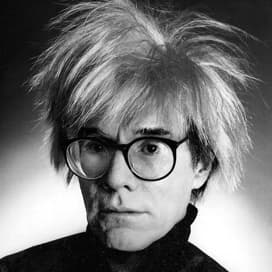
Andy Warhol, born Andrew Warhola on August 6, 1928 in Pittsburgh, Pennsylvania, was a pivotal figure in the Pop Art movement and is widely considered as the most famous American visual artist ever. Known for blending high art with consumerism, mass media, and celebrity culture, Andy Warhol’s artwork redefined what art could be in a modern world saturated by imagery and advertising.
His use of repetition, bold color and commercial motifs allowed him to comment on the very culture that inspired his work. Below, we delve into 20 Andy Warhol’s most iconic & celebrated paintings names and dates, highlighting not only their artistic significance but also where they can be seen today.
1. Campbell’s Soup Cans (1962)
Perhaps Andy Warhol's most iconic work, Campbell’s Soup Cans consists of 32 canvases, each depicting a different flavor of soup. It challenged traditional distinctions between art and commercial imagery.
• Location: Museum of Modern Art (MoMA), New York
• Why It’s Famous: A landmark in Pop Art, this series of 32 canvases (one for each soup flavor) celebrated everyday consumer goods and blurred the lines between commercial design and fine art.
2. Marilyn Diptych (1962)
This piece by Andy Warhol features 50 images of Marilyn Monroe, half in vibrant color and half in black and white, reflecting both her fame and the fleeting nature of celebrity.
• Location: Tate Modern, London
• Why It’s Famous: This 50-image piece explores both the idolization and the tragic mortality of Marilyn Monroe, using repetition to evoke the media's relentless portrayal of celebrity.
3. Eight Elvises (1963)
Featuring eight overlapping images of Elvis Presley dressed as a cowboy, this Andy Warhol's painting explores the idea of repetition and the celebrity persona.
• Location: Private Collection
• Why It’s Famous: Featuring eight overlapping images of Elvis Presley, this piece became one of the most valuable Warhol works ever sold, emphasizing the cult of celebrity and commodification of icons.
4. Gold Marilyn Monroe (1962)
Set against a shimmering gold background, this Andy Warhol's painting presents Monroe as a modern-day religious icon, blending glamour and sanctity.
• Location: MoMA, New York
• Why It’s Famous: By placing Monroe's image on a glowing gold background, Warhol evokes religious iconography, turning her into a modern-day saint of pop culture.
5. Green Coca-Cola Bottles (1962)
A grid of identical green Coke bottles, this Andy Warhol's painting emphasizes mass production and the democratization of consumer goods.
• Location: Whitney Museum of American Art, New York
• Why It’s Famous: Warhol celebrated consumer equality by repeating the universally recognized Coke bottle “You can drink it, Liz Taylor can drink it, and the President can drink it.”
6. Silver Car Crash (Double Disaster) (1963)
Part of his Death and Disaster series, this Andy Warhol's work juxtaposes violence and glamour, using repetition to numb the viewer's emotional response.
• Location: Private Collection
• Why It’s Famous: A stark image of death, this piece from Warhol’s Death and Disaster series forces the viewer to confront the dehumanizing effect of media repetition on tragic events.
7. Mao (1972)
A series of portraits of Chinese leader Mao Zedong by Andy Warhol rendered in bright, unnatural colors, challenging the cult of political personality.
• Location: The Art Institute of Chicago (various versions exist)
• Why It’s Famous: Warhol transformed a propaganda image of Chairman Mao into pop art, critiquing the cult of personality and how political figures are commodified.
8. Self-Portrait (1986)
One of Andy Warhol’s final works, this haunting self-portrait features his face in shadow with wild hair, symbolizing mortality and fame.
• Location: The Andy Warhol Museum, Pittsburgh
• Why It’s Famous: Created shortly before his death, this haunting self-portrait captures Warhol’s enigmatic persona, staring out from a void with his wild, disembodied hair.
9. Skull (1976)
A vivid image of a human skull, this piece reflects Andy Warhol's later fascination with death, rendered in his typical high-contrast Pop style.
• Location: The Art Institute of Chicago
• Why It’s Famous: A rare moment of introspection in Warhol’s work, this image of a skull rendered in pop colors reflects on mortality with ironic detachment.
10. Electric Chair (1964)
From his Death and Disaster series, this Andy Warhol's painting captures the electric chair in stark detail, evoking themes of state power and mortality.
• Location: The Menil Collection, Houston (multiple versions)
• Why It’s Famous: A chilling image that critiques state violence and media voyeurism. Warhol forces us to see the electric chair not as a moral debate but as a repeating product image.
11. Flowers (1964)
A departure from his celebrity subjects, this series of stylized flowers in vibrant colors retains Andy Warhol's hallmark use of repetition and vivid contrast.
• Location: MoMA, The Andy Warhol Museum
• Why It’s Famous: Inspired by a magazine photo, these highly stylized, mass-produced floral prints present beauty as a repetitive, consumable object.
12. Brillo Boxes (1964)
Technically more of a sculpture, but equally iconic, Andy Warhol's recreated supermarket Brillo soap pad boxes to question what constitutes art.
• Location: MoMA, The Andy Warhol Museum
• Why It’s Famous: These wooden replicas of supermarket Brillo pad boxes revolutionized modern art by challenging what qualifies as art. Echoes of Duchamp’s readymades are unmistakable.
13. Blue Marilyn (1962)
One of many versions of Monroe’s portrait, this version by Andy Warhol stands out with its bold use of blue and pink, emphasizing her manufactured image.
• Location: The Andy Warhol Museum and various
• Why It’s Famous: One of several color variations of Monroe’s image, this version uses intense blue hues to exaggerate and abstract her already stylized beauty.
14. Liz #5 (1963)
A glamorous portrait of Elizabeth Taylor, this piece immortalizes her in the same repetitive style Andy Warhol used for Monroe.
• Location: Private Collection
• Why It’s Famous: This portrait of Elizabeth Taylor captures the allure of Hollywood while flattening the individual into a reproduced symbol of glamour.
15. Shot Marilyns (1964)
A series of four Marilyn portraits that were famously shot through with a bullet by a performance artist, making them even more infamous.
• Location: Various (Warhol Museum and private collectors)
• Why It’s Famous: Infamously shot by performance artist Dorothy Podber, these paintings became even more iconic as literal "shot" representations of American fame and tragedy.
16. Che Guevara (c. 1968)
Although lesser-known, Andy Warhol’s depiction of revolutionary Che Guevara examines how political figures become commodified.
• Location: Various, primarily private collections
• Why It’s Famous: Warhol appropriated Alberto Korda’s iconic photograph, turning a revolutionary symbol into mass-consumed pop art, a commentary on political branding.
17. Ten Portraits of Jews of the Twentieth Century (1980)
This series by Andy Warholportrays influential Jewish figures such as Albert Einstein and Franz Kafka, blending reverence with Pop stylization.
• Location: The Jewish Museum, New York (and traveling exhibits)
• Why It’s Famous: Portraying intellectuals like Einstein and Freud, Warhol merges reverence with commercial techniques, sparking both praise and controversy upon release.
18. Jackie (1964)
This painting series by Andy Warhol shows images of Jacqueline Kennedy Onassis during and after JFK’s assassination, reflecting media saturation and grief.
• Location: The Andy Warhol Museum and others
• Why It’s Famous: These emotional portraits of Jacqueline Kennedy Onassis taken from news photos, chronicle public grief and media obsession with tragedy.
19. Ladies and Gentlemen (1975)
A powerful and colorful series depicting drag queens and transgender people from New York’s underground scene, bringing visibility to marginalized identities.
• Location: The Andy Warhol Museum; private collections
• Why It’s Famous: A bold and compassionate series depicting drag queens and trans performers, it remains a powerful statement on identity, gender, and representation.
20. Dollar Sign (1981)
A bold, graphic rendering of the dollar symbol, this piece reflects Andy Warhol’s obsession with money, fame, and capitalism.
• Location: Whitney Museum, MoMA, and private collections
 • Why It’s Famous: A blunt pop rendering of the dollar symbol, this work encapsulates Warhol’s fascination with the intersection of money, art, and cultural value.
Conclusion
Andy Warhol paintings continue to captivate audiences and influence artists worldwide, serving as both reflections and critiques of modern culture. His legacy endures in museums, galleries and popular consciousness, cementing his place as the “Pope of Pop” and a true American original.




