20 famous paintings by pablo picasso [spanish artist]
![20 famous paintings by pablo picasso [spanish artist]](/_next/image?url=https%3A%2F%2Fcms-assets.astaguru.com%2Fupload%2F07022025_033655_Picasso_1.jpg&w=3840&q=75)
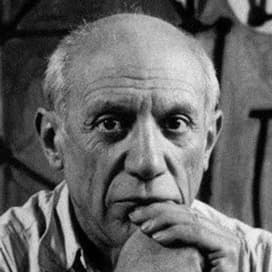
Pablo Picasso (1881–1973), a titan of modern art, left an indelible mark on the art world with his revolutionary techniques and diverse styles. His prolific career spanned over seven decades, during which he created thousands of artworks that continue to captivate and inspire. Below, we delve into 20 Pablo Picasso’s most iconic & celebrated paintings names and dates, highlighting not only their artistic significance but also where they can be seen today.
1. Les Demoiselles d'Avignon (1907)
This revolutionary painting depicts five nude female figures with faces inspired by African masks and Iberian sculpture. The work abandons traditional perspective and realistic representation, presenting fragmented, geometric forms that would become the foundation of Cubism. The painting's radical departure from Western artistic tradition shocked the art world and marked the beginning of modern art's most significant movement.
The composition breaks the female form into angular, mask-like faces and geometric body parts, eliminating the illusion of three-dimensional space that had dominated Western painting since the Renaissance. The influence of African art is evident in the simplified, stylized faces, reflecting Picasso's exposure to African masks at the Musée d'Ethnographie du Trocadéro in Paris.
Why It's Famous: Considered the birth of Cubism and modern art, it revolutionized artistic representation by abandoning traditional perspective and realistic portrayal of the human form.
Location: Museum of Modern Art (MoMA), New York City, USA
2. Guernica (1937)
Perhaps Picasso's most famous and politically charged work, Guernica responds to the bombing of Guernica during the Spanish Civil War. This massive black, white, and gray painting depicts the horrors of war through fragmented figures of humans and animals in agony. The bull, horse, and light bulb have become universal symbols of suffering and brutality.
The painting's monochromatic palette enhances its somber mood and newspaper-like quality, referencing how people learned about the tragedy through print media. The fragmented style reflects the destruction and chaos of war, while symbolic elements like the bull (representing Spain) and the horse (representing the people) convey deeper meanings about the conflict.
Why It's Famous: One of the most powerful anti-war paintings ever created, it became an international symbol of peace and a condemnation of the brutality of war.
Location: Museo Reina Sofía, Madrid, Spain
3. The Old Guitarist (1903-1904)
Created during Picasso's Blue Period, this painting depicts an elderly, blind guitarist in shades of blue. The monochromatic blue palette reflects the artist's depression following his friend Carlos Casagemas's suicide. The elongated, angular figure shows the influence of El Greco and symbolizes human suffering and isolation.
The painting's emotional depth comes from its portrayal of poverty and blindness, themes that resonated with Picasso's own struggles as a young artist in Paris. The guitar serves as both a literal object and a metaphor for artistic expression amid hardship. The work demonstrates Picasso's ability to convey profound emotion through color and form.
Why It's Famous: Masterpiece of the Blue Period, it exemplifies Picasso's early exploration of melancholy and human suffering through his distinctive monochromatic approach.
Location: Art Institute of Chicago, Chicago, USA
4. Girl Before a Mirror (1932)
This vibrant painting shows Picasso's lover Marie-Thérèse Walter looking at her reflection in a mirror. The work combines Cubist fragmentation with bold colors and patterns, exploring themes of identity, beauty, and self-perception. The contrast between the colorful girl and her darker reflection suggests the complexity of human nature and the psychological aspects of self-awareness.
The painting's rich symbolism includes references to day and night, youth and age, and conscious and unconscious mind. The mirror reflection appears more abstract and darker, possibly representing hidden aspects of personality or the inevitable passage of time. The decorative background patterns show influences from primitive art and Islamic designs.
Why It's Famous: Exemplifies Picasso's mature Cubist style and his ability to blend abstract form with psychological depth and emotional complexity.
Location: Museum of Modern Art (MoMA), New York City, USA
5. The Weeping Woman (1937)
Part of a series created in response to the tragedy of Guernica, this painting depicts a woman crying, her face fragmented in typical Cubist style. The work serves as a universal symbol of the grief and suffering caused by war, particularly the impact on women and civilians. The distorted features emphasize the intensity of emotion and psychological trauma.
The painting's sharp angles and bright colors create a sense of urgency and anguish. The handkerchief, tears, and distorted facial features work together to convey overwhelming grief. This work demonstrates Picasso's ability to use Cubist techniques not merely for formal experimentation but to express profound human emotions.
Why It's Famous: Powerful representation of grief and suffering, showcasing how Cubist fragmentation can intensify emotional expression rather than diminish it.
Location: Tate Modern, London, England
6. Boy with a Pipe (1905)
Created during Picasso's Rose Period, this painting depicts a young Parisian boy holding a pipe, surrounded by flowers. The warm rose and ochre tones mark a departure from the melancholy blues of his previous period, reflecting improved personal circumstances and a more optimistic outlook. The work shows influences from classical art and demonstrates Picasso's versatility.
The painting's gentle treatment of the subject matter and softer color palette indicate Picasso's emotional recovery and growing success as an artist. The decorative floral background and the boy's contemplative expression create a sense of innocence and tranquility that contrasts sharply with his earlier work.
Why It's Famous: Iconic work of the Rose Period that demonstrates Picasso's stylistic evolution and became one of the most expensive paintings ever sold at auction.
Location: Private collection
7. The Blue Room (1901)
One of Picasso's early Blue Period works, this painting shows a partially dressed woman in a bedroom dominated by blue tones. The work reflects the influence of Toulouse-Lautrec and Post-Impressionism while establishing Picasso's distinctive Blue Period aesthetic. Recent X-ray analysis revealed a hidden portrait beneath the blue painting, adding to its historical significance.
The painting's intimate domestic setting and the woman's contemplative pose suggest themes of solitude and introspection. The blue palette creates a melancholic atmosphere that would become characteristic of this period in Picasso's career. The work demonstrates his early mastery of color as an emotional tool.
Why It's Famous: Important early work that helped establish the Blue Period and contains hidden layers revealed through modern scientific analysis.
Location: The Phillips Collection, Washington, D.C., USA
8. Family of Saltimbanques (1905)
This large painting from the Rose Period depicts a group of circus performers in a desolate landscape. The work reflects Picasso's fascination with circus life and the lives of society's outcasts. The figures appear isolated despite being grouped together, suggesting themes of alienation and the artist's identification with marginalized communities.
The painting's composition and subject matter show influences from both classical art and contemporary social realism. The saltimbanques (circus performers) serve as metaphors for artists themselves entertaining others while living on society's margins. The work's melancholic undertones persist despite the warmer color palette of the Rose Period.
Why It's Famous: Masterpiece of the Rose Period that explores themes of artistic identity and social alienation through the metaphor of circus performers.
Location: National Gallery of Art, Washington, D.C., USA
9. Portrait of Ambroise Vollard (1910)
This portrait of the famous art dealer represents Analytical Cubism at its height. Vollard's figure is broken down into geometric planes and facets, yet remains recognizable through carefully placed details like his beard and bald head. The painting demonstrates Picasso's ability to maintain portraiture's essential function while completely transforming its visual language.
The work's monochromatic brown and gray palette focuses attention on form and structure rather than color. The fragmented approach reveals multiple perspectives simultaneously, challenging traditional notions of how we see and represent reality. This portrait influenced countless artists and established new possibilities for portraiture.
Why It's Famous: Perfect example of Analytical Cubism and demonstrates how revolutionary techniques could be applied to traditional portrait painting.
Location: Pushkin Museum, Moscow, Russia
10. Three Women (1908)
This transitional work bridges Picasso's African-influenced period and full Cubism. The three female figures show clear influences from African sculpture in their mask-like faces and simplified forms. The painting represents Picasso's continued exploration of primitive art's aesthetic possibilities and its integration into Western artistic tradition.
The work's earthy color palette and geometric simplification of the human form reflect Picasso's study of Iberian and African art. The three women appear monumental and timeless, stripped of individual characteristics to become universal representations of femininity. This approach would become central to Cubist aesthetics.
Why It's Famous: Important transitional work that shows the evolution from Les Demoiselles d'Avignon toward mature Cubism and demonstrates African art's influence on modern Western art.
Location: State Hermitage Museum, St. Petersburg, Russia
11. Ma Jolie (1911-1912)
This Analytical Cubist painting represents Picasso's lover Marcelle Humbert, nicknamed "Ma Jolie" (My Pretty One). The figure is so thoroughly fragmented that it becomes almost abstract, yet the title at the bottom of the canvas provides emotional context. The work demonstrates how Cubism could express personal relationships through revolutionary formal means.
The painting's complex network of intersecting planes and geometric forms creates a sense of movement and multiple perspectives. The inclusion of text "Ma Jolie" introduces elements from popular culture and daily life into high art, prefiguring later developments in collage and mixed media.
Why It's Famous: Exemplifies Analytical Cubism's peak development and shows how personal emotion could be expressed through abstract geometric forms.
Location: Museum of Modern Art (MoMA), New York City, USA
12. Still Life with Chair Caning (1912)
This groundbreaking work is considered the first collage in art history. Picasso incorporated actual chair caning and rope into the painting, blurring the boundaries between art and reality. The work challenges traditional notions of what constitutes a painting and opens new possibilities for artistic materials and techniques.
The oval format and mixed media approach create a tension between illusion and reality. By including real materials alongside painted elements, Picasso questions the nature of artistic representation itself. This innovation would influence countless artists and movements throughout the 20th century.
Why It's Famous: First collage in art history, revolutionizing artistic techniques and challenging traditional boundaries between art and everyday materials.
Location: Musée Picasso, Paris, France
13. The Dream (1932)
This sensuous portrait of Marie-Thérèse Walter sleeping showcases Picasso's return to curved, organic forms after the angular geometries of earlier Cubism. The painting's bright colors and flowing lines create a sense of peace and contentment, reflecting the artist's happiness in his relationship with his young lover.
The work's symbolic content includes references to sexuality and femininity through its curved forms and warm colors. The sleeping figure appears both vulnerable and powerful, embodying contradictions that fascinated Picasso throughout his career. The painting demonstrates his ability to evolve his style while maintaining his distinctive vision.
Why It's Famous: Beautiful example of Picasso's later, more lyrical style and intimate portrayal of one of his most important muses.
Location: Private collection
14. Les Demoiselles d'Avignon Study (1907)
This preparatory study for the famous Les Demoiselles d'Avignon shows Picasso's working process and the development of his revolutionary ideas. The study reveals how he experimented with different approaches to the composition and refined his vision of the final work. It provides insight into one of art history's most important creative processes.
The study shows less African influence than the final version, demonstrating how Picasso's ideas evolved during the creative process. The figures are somewhat more naturalistic, showing the gradual development toward the radical fragmentation of the final painting.
Why It's Famous: Provides invaluable insight into the creation of one of art's most revolutionary works and shows Picasso's artistic process.
Location: Various studies in different museums including Musée Picasso, Paris
15. Green Leaves and Bust (1932)
This vibrant painting depicts Marie-Thérèse Walter in a domestic setting, combining elements of still life and portraiture. The work's bold colors and decorative patterns reflect Picasso's joy and creative energy during this period. The composition integrates the figure with her surroundings, creating a harmonious and sensual whole.
The painting's title references the sculptural bust visible in the composition, creating a dialogue between different art forms within the work. The green leaves and floral patterns suggest fertility and natural abundance, themes associated with Picasso's relationship with Marie-Thérèse.
Why It's Famous: Exemplifies Picasso's mature style combining Cubist innovations with classical beauty and personal emotion.
Location: Private collection
16. Portrait of Dora Maar (1937)
This portrait of photographer and artist Dora Maar, Picasso's lover during the 1930s and 1940s, showcases his continued innovation in portraiture. The work combines realistic elements with abstract distortions, creating a psychologically complex image that captures both physical appearance and inner character.
The painting's fragmented style reflects the turbulent nature of Picasso's relationship with Maar, often called his "weeping woman" due to the emotional intensity of their connection. The work demonstrates how Picasso used Cubist techniques to explore psychological depth and human complexity.
Why It's Famous: Powerful portrait that combines Cubist innovation with psychological insight and represents an important period in Picasso's personal and artistic life.
Location: Various versions exist in different museums
17. The Tragedy (1903)
Created during the Blue Period, this painting depicts a family of three figures by the sea, rendered in the characteristic blue palette. The work reflects themes of poverty, suffering, and human vulnerability that dominated Picasso's work during this period. The figures' poses and expressions convey a sense of resignation and melancholy.
The painting's emotional power comes from its universal depiction of human suffering and the dignity maintained in the face of adversity. The blue color enhances the somber mood while the sea setting suggests both isolation and the vastness of human experience.
Why It's Famous: Masterpiece of the Blue Period that exemplifies Picasso's early ability to convey profound human emotion through color and composition.
Location: National Gallery of Art, Washington, D.C., USA
18. Two Women Running on the Beach (1922)
This painting marks Picasso's neoclassical period, showing a return to more traditional figuration after his Cubist experiments. The work depicts two monumentally proportioned women running along a beach, rendered with classical techniques but maintaining Picasso's distinctive vision. The painting reflects the broader "return to order" movement in post-World War I European art.
The work's dynamic composition and classical references demonstrate Picasso's versatility and his ability to work in multiple styles simultaneously. The figures' powerful forms and graceful movement create a sense of joy and liberation that contrasts with his earlier, more somber works.
Why It's Famous: Important example of Picasso's neoclassical period and demonstrates his ability to work in traditional styles while maintaining his innovative vision.
Location: Musée Picasso, Paris, France
19. Seated Woman (1927)
This painting represents Picasso's continued exploration of the female form through Cubist fragmentation. The work combines geometric abstraction with figurative elements, creating a complex interplay between recognition and abstraction. The painting demonstrates Picasso's mature Cubist style and his ongoing fascination with representing the human figure.
The work's monumental quality and architectural composition reflect Picasso's interest in classical sculpture and his ability to combine ancient and modern approaches to art. The fragmented form suggests multiple viewpoints while maintaining the essential character of the figure.
Why It's Famous: Excellent example of Picasso's mature Cubist style and his continued innovation in figure painting during the 1920s.
Location: Museum of Modern Art (MoMA), New York City, USA
20. Chicago Picasso (1967)
While technically a sculpture, this monumental public work deserves mention as one of Picasso's most famous creations. The 50-foot tall Cor-Ten steel sculpture in Chicago's Daley Plaza sparked controversy when installed but has since become an beloved icon of the city. The work demonstrates Picasso's ability to work on a monumental scale and his influence on public art.
The sculpture's abstract form has been interpreted as representing various subjects, from a woman's head to a bird, demonstrating the open-ended nature of abstract art. Its placement in a public plaza makes it accessible to millions of viewers, extending Picasso's influence beyond traditional museum settings.
Why It's Famous: Iconic public sculpture that brought Picasso's art to the masses and influenced the development of public art programs worldwide.
Location: Richard J. Daley Center Plaza, Chicago, USA
Conclusion
 Pablo Picasso artistic legacy encompasses far more than these 20 famous paintings, but they represent key moments in his evolution and major contributions to art history. From the revolutionary breakthrough of Les Demoiselles d'Avignon to the public accessibility of the Chicago Picasso, these works demonstrate an artist who continuously pushed boundaries and redefined what art could be.
Pablo Picasso paintings influence extends far beyond his own artistic production, inspiring countless artists and movements throughout the 20th century and beyond. His innovations in form, technique, and concept continue to resonate with contemporary artists, while his works remain among the most recognizable and valuable in art history. The geographic distribution of these masterpieces across major museums worldwide ensures that future generations will continue to encounter and be inspired by Picasso's revolutionary vision.