5 distinct types of madhubani painting & their unique characteristics
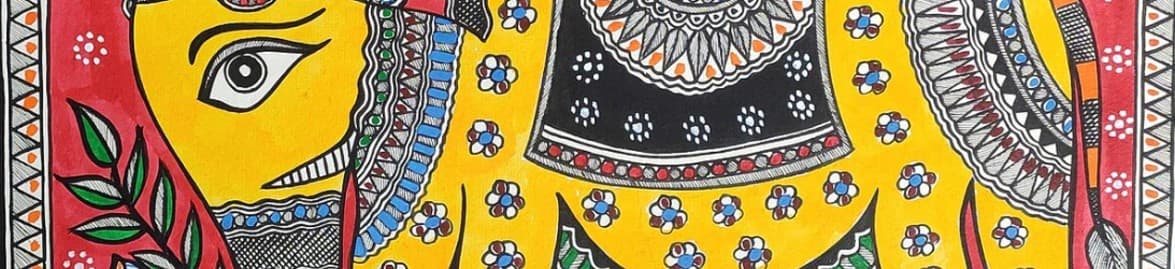
Complete Guide To The Different Types Of Madhubani Painting
Madhubani painting, also known as Mithila art, originates from the Mithila region of Bihar, India. Traditionally practiced by women on mud walls during festivals and rituals, this folk art has evolved into a global phenomenon, adorning canvases, paper, and even digital formats. Characterized by intricate patterns, vibrant colors, and symbolic motifs, Madhubani paintings draw from Hindu mythology, nature, and daily life. The art form is divided into several styles, each with unique techniques and themes. Here, we explore five distinct Madhubani painting types, highlighting their characteristics, methods and cultural significance.
1. Bharni Madhubani Painting (The Vibrant Fill-In Technique)
Bharni, meaning "filling" in Hindi, is one of the most popular and colorful types of Madhubani painting. It involves creating detailed line drawings with black ink or charcoal, then filling the spaces with bright, contrasting colors like red, yellow, blue, and green. This style emphasizes symmetry and intricate patterns, often depicting deities, animals, and floral motifs.
• Unique Characteristics: Bharni paintings are bold and eye-catching, with no empty spaces. Every inch is filled with vibrant hues. The use of natural dyes from plants and minerals adds a textured, earthy quality. Themes revolve around festivals, weddings, and religious stories, such as Krishna's life or Durga Puja.
• Technique and Significance: Artists use bamboo sticks or fine brushes for precision. This style symbolizes abundance and joy, making it ideal for auspicious occasions. Bharni's accessibility has popularized Madhubani art worldwide, inspiring modern adaptations in fashion and home decor.
2. Kachni Madhubani Painting (The Delicate Line Art)
Kachni, derived from "kach" (raw or unripe), focuses on fine, unbroken lines drawn with a bamboo pen dipped in black ink. Unlike Bharni, it uses minimal color, relying on the elegance of outlines to convey depth and emotion. This style is often monochromatic or sparingly colored, highlighting the artist's skill in fluidity and precision.
• Unique Characteristics: Kachni features elongated figures, intricate borders, and motifs like peacocks, lotuses, and human forms. The lines are so fine that they resemble embroidery, creating a sense of movement and grace. It draws from folk tales and mythology, portraying scenes from the Ramayana or Mahabharata.
• Technique and Significance: The bamboo pen allows for spontaneous, flowing strokes without lifting from the surface. Kachni represents purity and simplicity, often used in rituals to ward off evil. Its minimalist approach appeals to contemporary audiences, blending tradition with modern aesthetics.
3. Tantrik Madhubani Painting (Esoteric and Symbolic)
Tantrik Madhubani painting incorporates elements from tantric traditions, featuring mystical symbols, yantras (geometric diagrams), and deities associated with spiritual practices. This style is less narrative and more abstract, using concentric circles, triangles, and mandalas to represent cosmic energies.
• Unique Characteristics: Tantrik works are characterized by bold, repetitive patterns and symbolic imagery, such as the Sri Yantra or depictions of goddesses like Kali. Colors are earthy; black, white, red and motifs include chakras and protective symbols. It emphasizes spiritual awakening over visual storytelling.
• Technique and Significance: Artists employ precise geometry and symmetry, often meditating during creation. Rooted in ancient rituals, Tantrik style is used for meditation and healing. It highlights Madhubani's esoteric side, attracting those interested in yoga and spirituality, while preserving cultural mysticism.
4. Godna Madhubani Painting (Dot-and-Line Patterns)
Godna, inspired by tattooing (godna means tattoo), is a style that uses dots, dashes, and short lines to create textured, almost tactile designs. It resembles pointillism, with patterns forming animals, plants, and human figures through repetitive marks.
• Unique Characteristics: This type features a dotted background filled with linear motifs, giving a raised, embroidered effect. Common themes include nature; birds, fish, and trees and daily life scenes. The monochromatic or limited palette (often black on white) adds a rustic charm.
• Technique and Significance: Dots and lines are applied with a bamboo stick or needle, requiring patience and rhythm. Godna symbolizes fertility and protection, traditionally used in body art and wall decorations. Its tactile quality makes it unique, appealing to tactile learners and those seeking folk authenticity.
5. Kohbar Madhubani Painting (Wedding and Auspicious Themes)
Kohbar, also known as Kohabar, is specifically tied to wedding rituals, adorning the bridal chamber (kohbar ghar) with paintings symbolizing prosperity and fertility. This style combines elements of other types but focuses on auspicious symbols like fish, elephants, and mango trees.
• Unique Characteristics: Kohbar paintings are vibrant and detailed, featuring symmetrical compositions with motifs representing marital bliss. Colors are bright, and designs include borders of peacocks and lotuses. It often incorporates personalized elements for the couple.
• Technique and Significance: Artists use a mix of line work and filling techniques on walls or paper. As a ritual art, Kohbar ensures good fortune for newlyweds. It underscores Madhubani's role in social ceremonies, evolving into framed art for modern homes while retaining its ceremonial essence.
Conclusion:
These five types i.e Bharni, Kachni, Tantrik, Godna and Kohbar illustrate the diversity of Madhubani painting, each offering a window into Bihar's cultural heritage. From the vibrant fills of Bharni to the esoteric symbols of Tantrik, they blend artistry with spirituality, making the form accessible yet profound. As Madhubani gains global recognition, these styles inspire artists to innovate while honoring traditions. Whether for decoration or devotion, Madhubani paintings remind us of the power of folk art to connect past and present, one stroke at a time. For enthusiasts, exploring these types through workshops or museums can deepen appreciation for India's artistic treasures.
Image Credit:
“Craft-3-from-Sunaina-Thakur”, Shrishej, via Wikimedia Commons
– Public Domain.