

Blogs

A Deep Dive Into Ebony Clock: History, Origin & Design
Yungming Wong | 7 Feb, 2026
Few objects in the history of decorative arts command as much reverence or carry as much symbolic weight as the ebony clock. At once a timepiece and a work of sculpture, the ebony clock has graced the mantels of European aristocracy, the studies of Enlightenment philosophers, and the drawing rooms of Victorian industrialists. Its dark, lustrous surface has served as a canvas for extraordinary craftsmanship, and its enduring presence across centuries of interior design speaks to a kind of timeless authority that few decorative objects can match.
To understand the ebony clock is to trace a journey through global trade, imperial ambition, artistic innovation and the evolving human relationship with time itself.
What Is an Ebony Clock?
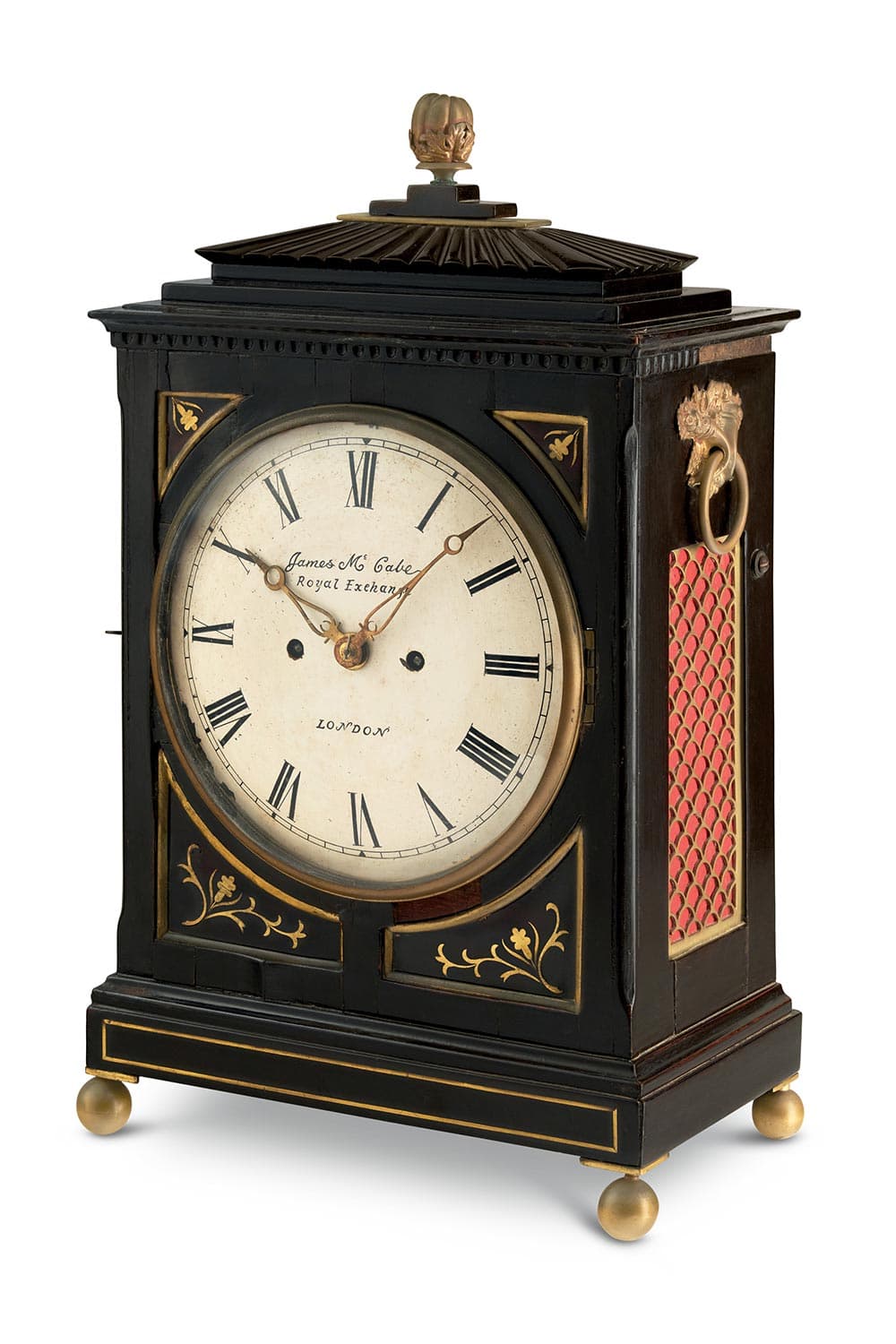 An ebony clock is broadly defined as a mantel or bracket clock whose case is constructed primarily from ebony (one of the densest, hardest, and most prized hardwoods in the world), or, in many instances, from wood veneered or stained to simulate ebony's famously deep, jet-black finish. The term encompasses a wide variety of styles and periods, from the monumental ebonized cases of 17th-century Baroque clockmakers to the sleek, geometric ebony-veneered clocks produced during the Art Deco movement of the 1920s and 1930s.
What unites these objects across time is the wood itself: its near-black colour, fine grain, extreme hardness, and the extraordinary polish it accepts, giving finished pieces a mirror-like surface that seems to absorb and reflect light simultaneously.
The Origins of Ebony in European Decorative Arts
The story of the ebony clock begins not with clocks at all, but with wood: specifically, with ebony's dramatic arrival in European luxury markets.
Ebony (Diospyros species) is native primarily to tropical regions of Africa, South and Southeast Asia, and parts of the Indian subcontinent. Its extraordinary density (it is one of the few woods that sinks in water) and its capacity for a glasslike polish made it immediately desirable to European craftsmen who first encountered it through expanding trade networks in the 15th and 16th centuries.
Portuguese traders were among the first to bring substantial quantities of African and Indian ebony to Europe in the early 1500s. The wood quickly became associated with wealth and prestige, partly because of its rarity, partly because working with it demanded exceptional skill and specialized tools, and partly because of its dramatic visual impact. By the early 17th century, Flemish and Dutch craftsmen had elevated ebony cabinetmaking to a high art form. The Antwerp workshops, in particular, became famous for their extraordinary ebony cabinets: massive, architectural pieces inlaid with ivory, tortoiseshell, and painted miniatures, that were collected by monarchs and princes across Europe.
The craftsmen who specialized in ebony work came to be known in French as ébénistes (cabinetmakers), a term that survives to this day as the French word for a furniture maker of the highest order, even though most no longer work exclusively in ebony.
The Birth of the Ebony Clock Case
As mechanical clocks became sufficiently reliable and compact to serve as domestic decorative objects in the 17th century, clockmakers and cabinetmakers began collaborating to produce cases that matched the ambitions of their clientele. The earliest weight-driven tower and chamber clocks were purely functional, their mechanisms housed in iron frames with no decorative pretension. But as spring-driven movements allowed clocks to shrink to mantel and bracket size, the case became an artistic statement in its own right.
Ebony was a natural choice for prestigious clock cases. Its colour made it a dramatic foil for gilded bronze (ormolu) mounts, silver dial furniture, and the ivory or bone chapter rings that displayed the hours. A clock with an ebony case and gilded bronze mounts announced its owner's wealth and taste unmistakably: the contrast between the deep black wood and the gleaming gold was visually arresting in a way that pale woods or painted cases could not match.
English ebony bracket clocks of the Restoration period (from the 1660s onward) represent some of the earliest and finest examples of the form. Clockmakers such as Thomas Tompion and Joseph Knibb produced movements of extraordinary quality, and their cases (typically veneered in ebony over an oak or fruitwood carcass) were characterized by architectural formality: flat-topped or basket-topped cases with brass finials, glazed side panels to display the movement, and elaborate engraved or chased brass dials.
The preference for ebony in English clockmaking of this period was also connected to the wider fashion for lacquerwork and "japanning" (the European imitation of East Asian lacquer), which shared ebony's dark, lustrous aesthetic. Many English bracket clocks of the late 17th and early 18th centuries were cased in japanned wood rather than true ebony, but the visual effect was deliberately similar.
French Ebony Clocks: The Reign of Ormolu
If England gave the ebony bracket clock its classic form, France elevated it to something approaching the status of fine art. French clockmaking of the 18th century, centred in Paris and regulated by the powerful guild system, produced mantel clocks of extraordinary sophistication. Among these, ebony-cased clocks mounted with elaborate gilded bronze (ormolu) figures and ornament represent a high point of the clockmaker's and founder's art.
Under Louis XIV, the Sun King, French decorative arts were mobilized in the service of royal magnificence. The Gobelins manufactory coordinated the production of furniture, tapestries, silverware, and clocks intended to furnish Versailles and the other royal residences. Ebony, expensive, dramatic, and associated with luxury, featured prominently in this programme. Massive cabinets and clock cases of ebony, mounted with gilded bronze and inlaid with engraved brass and tortoiseshell in the technique known as Boulle marquetry (after André-Charles Boulle, the leading craftsman of the age), were produced for the royal apartments and quickly imitated by aristocratic patrons across Europe.
The classical French mantel clock, the pendule de cheminée, as it developed through the 18th century came in many styles and materials, but ebony remained a perennial choice for a certain kind of austere, sculptural gravity. By the Empire period (1804–1815), under Napoleon, a fashion arose for clock cases that evoked ancient Rome and Egypt: severe architectural forms in dark materials (black marble, black basalte ware from Wedgwood, and ebonized wood) mounted with gilded bronze figures of generals, gods, and allegorical figures. These Empire clocks established a visual vocabulary that would persist well into the 19th century.
Victorian Ebony Clocks: Mantelpiece Prestige
The Victorian era (1837–1901) saw the ebony mantel clock achieve perhaps its widest popular circulation. The expanding middle classes of Britain, France, Germany, and the United States aspired to the decorative standards of the aristocracy, and the mantel clock was one of the defining status objects of the Victorian parlour. Factories in France, particularly in the Saint-Nicolas-d'Aliermont region and in Paris, produced enormous quantities of mantel clocks in black slate or black marble, and in ebonized wood, designed to evoke the prestige of earlier ebony masterpieces at a fraction of the cost.
True ebony clocks of this period (cased in actual ebony rather than imitations) continued to be produced for wealthier clients. English clockmakers maintained the bracket clock tradition, while French makers produced pendules in a variety of revival styles: neo-Renaissance, neo-Gothic, neo-Baroque. The aesthetic consistently favoured dark surfaces contrasted with gilded or silvered ornament and white enamel dials.
The Victorian ebony clock also absorbed influence from the Aesthetic Movement, with its interest in Japanese art and design. Ebonized cases with incised geometric or floral decoration in the Japanese taste, combined with high-quality movements by English or Swiss makers, were fashionable in artistic circles from the 1870s onward.
Art Deco and the Ebony Clock's Modernist Reinvention
The most dramatic reinvention of the ebony clock came with the Art Deco movement of the 1920s and 1930s. Reacting against the ornate historicism of Victorian and Edwardian decorative arts, Art Deco designers sought clean geometry, rich materials, and a sophisticated sense of luxury stripped of unnecessary ornament.
Ebony, along with its close relative macassar ebony (Diospyros celebica), with its dramatic streaked grain in brown and black, became emblematic of Art Deco luxury cabinetmaking. French ébénistes such as Émile-Jacques Ruhlmann, who is often regarded as the supreme cabinetmaker of the Art Deco period, used ebony and macassar ebony veneers to stunning effect in furniture and decorative objects. The ebony clock of the Art Deco period typically featured a bold, architectural silhouette (stepped or pyramidal forms, strong horizontal and vertical lines) with restrained ornament in ivory, silver, or gilded metal and a simple white dial that emphasized geometric clarity.
Swiss movement makers supplied the mechanisms for many of the finest Art Deco clocks, their precision engineering hidden within cases of extraordinary visual boldness. The contrast between the cool rationalism of the movement and the sensuous luxury of the ebony case was central to the Art Deco aesthetic.
The Properties of Ebony: Why This Wood?
To fully appreciate the ebony clock, it is worth pausing to consider the material itself. True ebony, primarily African ebony (Diospyros crassiflora) and Indian ebony (Diospyros melanoxylon), has a density of approximately 1,000–1,200 kg/m³, meaning it sinks in water. It is exceptionally hard, ranking among the hardest commercial timbers, which makes it highly resistant to dents and abrasion.
Its grain is extremely fine and even, which is what allows it to accept such a high polish. Freshly cut and polished ebony has a surface that appears almost plastic in its smoothness, with a depth and lustre that no paint or stain can fully replicate. The colour ranges from pure jet-black to dark brown with black streaks (in the case of macassar ebony), and the wood does not oxidize significantly with age; well-maintained ebony clocks from the 17th century retain the same deep colour and polish as when they were made.
The difficulty of working ebony (its hardness blunts tools quickly, and its density makes large pieces prone to splitting) means that ebony clock cases are almost always veneered rather than solid, the thin sheets of ebony being applied over a more workable carcass wood. This also made the wood more economical, stretching a scarce and expensive material further.
Ebonized Wood: The Accessible Alternative
Because true ebony was always expensive and sometimes difficult to obtain (trade disruptions, colonial politics, and the tree's slow growth all played a role), craftsmen developed techniques for "ebonizing" other woods: staining or treating them to simulate ebony's appearance. Pear wood (Pyrus species) was particularly popular for ebonizing because its fine, even grain accepted stain well and could be polished to a convincing approximation of true ebony.
Many of the most admired "ebony" clocks of the 17th, 18th, and 19th centuries are, on close examination, ebonized pear, cherry, or other fruitwoods. This is not a deception in the pejorative sense, as the technique was well understood by contemporary buyers and makers, but rather a practical response to material realities. Ebonized wood clocks, when well-made, can be extraordinarily beautiful and are typically indistinguishable from true ebony at normal viewing distance.
Notable Examples and Collecting
Several ebony clocks have achieved particular fame, either through their historical associations or their exceptional craftsmanship. The Royal Collection holds numerous important examples, including ebony bracket clocks by Tompion and other leading English makers that were commissioned for or acquired by the Stuart and Hanoverian monarchs. Major French collections, including the Louvre and the Musée des Arts Décoratifs, include important examples of Boulle-mounted ebony clocks from the Louis XIV and Regency periods.
In the auction market, fine ebony bracket clocks by celebrated English makers of the late 17th and early 18th centuries regularly achieve significant prices, as do important Art Deco clocks in ebony or macassar ebony by known designers. Victorian ebony mantel clocks in good condition, by contrast, remain accessible to collectors at more modest price points, and represent one of the more approachable entry points into the field of antique horology.
When collecting, key factors include the quality and originality of the movement, the condition of the case (ebony surfaces, once damaged, are difficult to repair invisibly), the originality of the dial and hands, and, for signed or attributed pieces, the reputation of the maker. A Tompion or Knibb bracket clock in an original ebony case with a good provenance is among the most desirable objects in English decorative art.
Contemporary Relevance
The ebony clock has not disappeared from contemporary design. High-end clockmakers and furniture designers continue to work with ebony and macassar ebony, drawn by the same qualities that attracted craftsmen four centuries ago: the extraordinary visual weight of the material, its capacity for a mirror finish, and the sense of permanence and gravity it confers on any object made from it.
There is also, however, a growing consciousness of the environmental pressures on ebony species. African ebony (Diospyros crassiflora) is classified as endangered by the International Union for Conservation of Nature (IUCN), its populations reduced by centuries of logging and habitat loss. Contemporary makers working with ebony face the challenge of sourcing material responsibly, through certified sustainable suppliers or reclaimed stocks, and some have turned to ebonized alternatives as an environmentally preferable choice that maintains the visual tradition while reducing pressure on threatened species.
The Ebony Project, a conservation initiative associated with the guitar-maker C.F. Martin & Co. and the Cameroon-based Precious Woods initiative, has sought to develop more sustainable models for the ebony trade: models that could, in time, ensure that ebony remains available for the craftsmen and makers of future centuries.
Conclusion
The ebony clock is more than a timekeeping device. It is an object that carries within it the history of global trade, the ambitions of craftsmen across four centuries, the tastes of monarchs and merchants, and the extraordinary properties of one of nature's most remarkable materials. From the Restoration bracket clocks of Thomas Tompion to the geometric masterpieces of the Art Deco ébénistes, the ebony clock has served as a benchmark of decorative art's highest aspirations. To stand before a fine ebony clock, its surface drawing light into its depths, its movement marking the seconds with quiet precision, is to encounter an object that has genuinely earned its reputation for timelessness. In every sense, the ebony clock endures.

Top 5 Franck Muller Watches Every Collector Should Own
18 Oct, 2021
Jaeger Lecoultre Watches: Milestones & Models Everyone Should Know
26 Oct, 2023
10 Patek Philippe Watches That Validate Their Legendary Reputation
20 Mar, 2022
Cartier Watches - The Best Female Watch Brand In The World
18 Oct, 2022

Exploring the Legacy of Dan Henry Watches
27 May, 2025

Gerald Genta Watches: Extraordinary Watches for Extraordinary Clients
19 Oct, 2022
Bvlgari Watches for Sale at Auction
27 Dec, 2022
Piaget Watches - History, Design, Specifications & Features
17 May, 2023
Iconic Audemars Piguet Watches Featured In Movies: Al Pacino's Ocean’s 13 & More
9 Nov, 2021
Corum Watches: History & Famous Models Everyone Should Know
7 May, 2024
In Focus: Roger Dubuis Excalibur Monobalancier Titanium 42mm
25 May, 2022
Baume & Mercier Watches Buying Guide
16 Oct, 2024
From Pocket To Pulse: The Evolution of the Wristwatch
9 Dec, 2024
5 Coveted Vintage Audemars Piguet Watches, As Per Experts
19 Dec, 2024

Jaeger LeCoultre Polaris Chronograph Review: Ultimate Buyers Guide
2 Jan, 2026
.jpg&w=1200&q=75)
About Glashütte Original Watches
14 Aug, 2022
10 H Moser & Cie Watches That Prove Why They're Masters Of Their Craft
5 Jan, 2026
Ulysse Nardin Watches: A Collector's Overview Of The Brand
19 Jul, 2022
An Introduction To Malachite Mantel Clock & How To Identify One
11 Feb, 2026
.jpg&w=1200&q=75)
Evolution Of Bracket Clocks: From 17th-Century Origins To Spring Driven Innovations
9 Feb, 2026
Carl F. Bucherer Patravi Evotec - A Historical Review
14 Feb, 2026
Carl F. Bucherer Are Highly Collectible. Here’s What You Need to Know
20 Feb, 2026
Four Most Expensive Piaget Watches, Ranked By Watch Experts
9 Jun, 2025
The Top 10 A. Lange & Söhne for Collectors in 2025
7 Jul, 2025

Bulgari Octo Finissimo Ultra COSC: The World’s Most Thinnest Watch
9 May, 2025

Most Expensive Watches In The World - Over $1 Million Price Tags
17 Jun, 2021
Top 5 Most Popular Baume & Mercier Watches In 2025
7 Aug, 2021
AstaGuru's Heirloom Auction To Feature Exquisite Patek Philippe Watches
26 Oct, 2025

The History of Mb&F Watches: From Origins Until Today
15 Apr, 2022
A. Lange & Sohne History: The Rise, Fall & Comeback
22 Jun, 2025
.jpg&w=1200&q=75)
The Top 10 Bueche Girod for Collectors in 2025
9 Sep, 2025
Stories Behind Famous Antique Watches & Their Owners
7 Mar, 2021
A Guide to Damiani Watches
17 Nov, 2022
Longcase Clocks: What They Are & Why We Call Them Grandfather Clocks
16 Feb, 2026
.jpg&w=1200&q=75)
An Introductory Guide To Roger Dubuis Watches
1 Apr, 2022
Harry Winston Watches Info, Reviews and News
12 Sep, 2022

Louis Erard watches: History, Innovations & Best Models
19 Apr, 2022
AstaGuru's Auction To Feature Audemars Piguet Including Limited Watches
2 May, 2024
10 Best Everyday Watches For Women That Guarantee Style
12 Mar, 2025

The Holy Trinity of Watches - Patek, Vacheron & AP
4 Apr, 2023
Piaget - Auction & Sales Information
21 Dec, 2024
Heritage Coin Watch from CORUM
19 Aug, 2022
Piaget Watches for Sale » Check Prices & Models
11 Aug, 2022
What Is A Tourbillon Watch? Types Of Tourbillon Watches Explained
11 Nov, 2022
Behrens Watches: History, Innovations & Best Models
23 Oct, 2025
H. Moser & Cie Watches: Redefining Minimalism in Haute Horology
15 Dec, 2025
One Of Harry Winston Most Coveted Watches Went Up For Auction
28 Oct, 2021

Girard Perregaux Watches: A Complete History & Guide
2 Mar, 2022
Louis Moinet: A Brief Watchmaking History
1 May, 2025
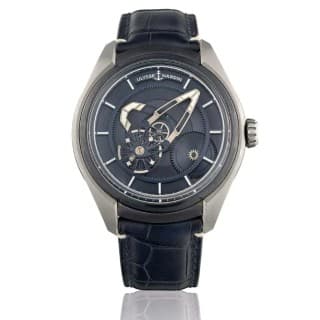
The History Of the Ulysse Nardin Freak X Ti Blue Watch
5 Dec, 2025
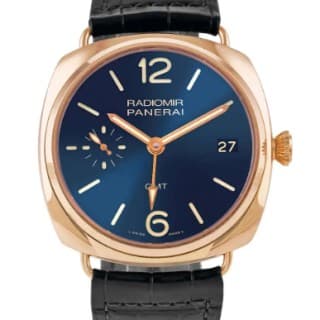
In Focus: Panerai Radiomir GMT
2 Dec, 2025

In Focus: Vacheron Constantin Overseas 42 mm Stainless Steel
28 Nov, 2025
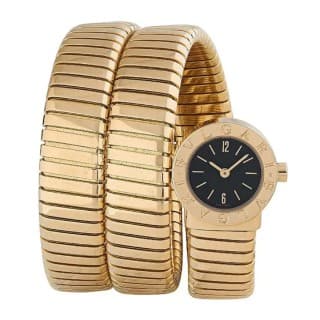
Everything You Need To Know About Bvlgari Tubogas Serpenti
10 Dec, 2025
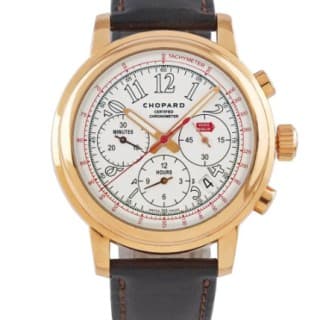
Hands-On With The Chopard Mille Miglia Yellow Gold Watch
14 Dec, 2022

The Legacy of Arnold & Son Watches
12 Dec, 2022
The Legacy of Ulysse Nardin Watches
12 Aug, 2022
Women's Patek Philippe Watches Explained: History, Models & Value
21 Jun, 2022

KNOW MORE
Buy
Sell
Request an Estimate
FAQs
Seller Terms
Store Terms
SERVICES
Client Advisory
Restoration
DOWNLOAD THE APP


Copyright 2026 AstaGuru. All Rights Reserved


