abstract art - meaning, information & complete guide
Walk into any modern art gallery and you might find yourself staring at a canvas splashed with colors, lined with strange shapes, or layered with textures that seem to defy reason. No trees, no faces, no familiar landmarks; just an invitation to feel rather than to recognize. This is the realm of abstract art, a movement that broke away from tradition over a century ago and never looked back. Loved by some, dismissed by others, and puzzling to many, it thrives on the freedom to mean everything or nothing at all.
What is Abstract Art?
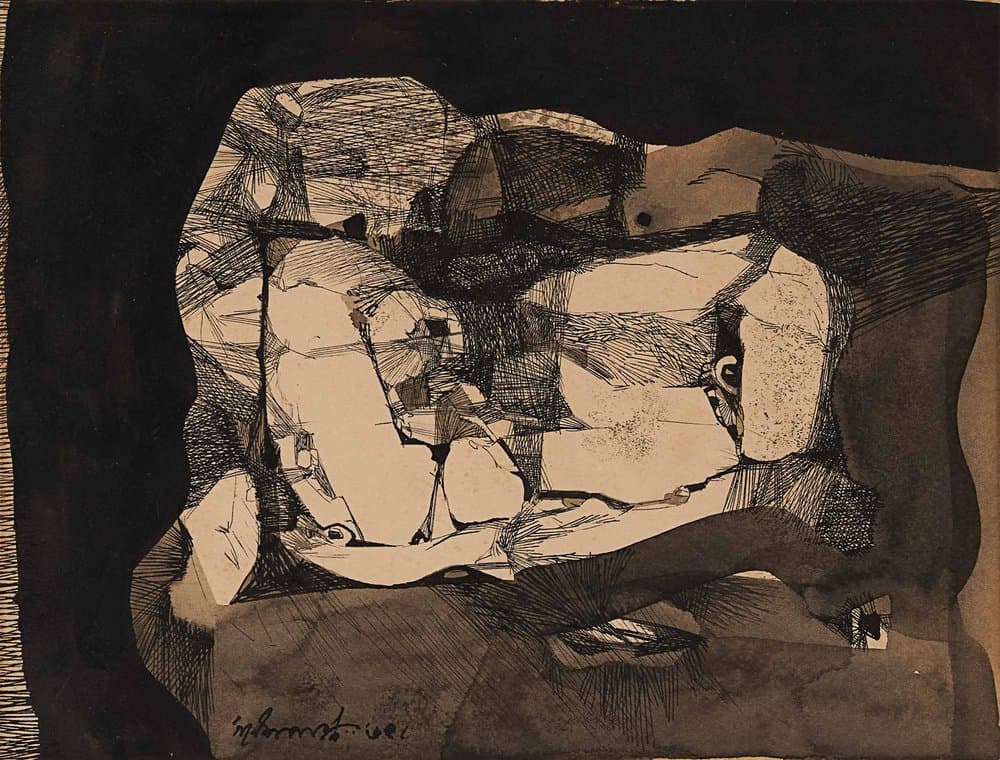 Abstract art is a style of visual art that does not attempt to represent an accurate depiction of visual reality. Instead, it uses shapes, colors, forms and gestural marks to achieve its effect.
The definition: Abstract art is a departure from realistic representation, focusing on the emotional and conceptual essence of the subject matter rather than its physical appearance.
Abstract Art Meaning in Simple Terms
Think of it as art that speaks to your emotions and imagination instead of copying the real world. For example, an abstract art might use bold red brushstrokes to express anger, or soft blue circles to create a feeling of calm. The artist isn't trying to paint something you can identify, they're trying to communicate directly through the pure elements of art itself.
When Did Abstract Art Start?
The origins of abstract art can be traced back to the late 19th and early 20th centuries, a period marked by rapid cultural, technological, and philosophical changes. Early influences include the works of J.M.W. Turner and James Abbott McNeill Whistler, who began to emphasize atmosphere and harmony over strict representation. The invention of photography in the 1800s freed artists from the need to depict reality, encouraging experimentation with form and color.
The formal birth of abstract art is often placed in the early 20th century, with movements such as Cubism and Fauvism laying the groundwork. Wassily Kandinsky is frequently credited with creating the first purely abstract works around 1910-1911, focusing on color and form to evoke emotion rather than depict recognizable subjects. However, Hilma af Klint, a Swedish artist, created abstract works as early as 1906, predating Kandinsky and challenging the traditional narrative.
How Has Abstract Art Evolved?
Abstract art has undergone significant evolution, marked by various movements and cultural shifts:
o 19th Century Beginnings: Artists like Turner and Cézanne began to break down natural forms and focus on visual harmony, setting the stage for abstraction.
o Early 20th Century: Movements such as Fauvism, Cubism, and Expressionism emphasized bold colors, geometric forms, and emotional expression. Kandinsky, Mondrian, and Malevich pioneered pure abstraction.
o Mid 20th Century: Abstract Expressionism emerged in the US, characterized by gestural brushwork and emotional intensity (e.g., Jackson Pollock, Mark Rothko). Geometric Abstraction and Minimalism focused on pure forms and simplicity.
o Late 20th Century to Present: Op Art, Conceptual Art, and digital media have expanded the boundaries of abstraction. Contemporary artists continue to innovate, blending traditional techniques with new technologies and ideas.
This evolution reflects a continuous journey of exploration, challenging traditional notions of representation and aesthetics.
Types of Abstract Art
Abstract art encompasses a wide range of styles and subcategories, each with unique characteristics:
1. Expressive Abstraction: Focuses on the artist's emotions and intuition, often through dynamic brushstrokes.
2. Action Painting/Gestural Abstraction: Involves spontaneous, energetic movements (e.g., Jackson Pollock).
3. Minimalism Abstraction: Emphasizes simplicity, pure forms, and often large fields of color (e.g., Agnes Martin).
4. Conceptual Abstraction: Driven by ideas rather than visual representation.
5. Hard-Edge Painting: Features clean, precise edges and color separation (e.g., Josef Albers).
6. Optical Abstraction (Op Art): Creates optical illusions and visual effects (e.g., Victor Vasarely).
7. Geometric Abstraction: Uses geometric shapes and mathematical principles (e.g., Mondrian).
8. Color Field Painting: Large areas of color to evoke emotion (e.g., Mark Rothko).
9. Pointillism: Uses small dots of color to form images (e.g., Georges Seurat).
10. Fauvism, Cubism, Futurism, Dada, Suprematism, Constructivism, Lyrical Abstraction: Each represents a unique approach to abstraction, from wild colors to geometric purity and anti-art statements.
These diverse types illustrate the genre's rich complexity and its ability to convey a wide range of emotions and ideas.
Purpose of Abstract Art
Abstract art serves multiple purposes that extend beyond mere decoration:
o Emotional Expression: Abstract art provides artists with a direct means to communicate feelings and emotions without the constraints of representational accuracy. Colors, shapes, and textures can evoke specific emotional responses in viewers.
o Spiritual Exploration: Many abstract artists view their work as a means of exploring spiritual and metaphysical concepts, creating art that transcends the material world and connects with universal truths.
o Formal Experimentation: Abstract art allows artists to explore the fundamental elements of art; color, line, form, and composition in their purest forms, advancing our understanding of visual perception and aesthetic experience.
o Social Commentary: Contemporary abstract artists often use non-representational forms to address social, political, and environmental issues, proving that abstract art can be both aesthetically powerful and socially relevant.
How To Identify Abstract Art
Identifying abstract art involves recognizing certain key visual characteristics and techniques:
• Non-representational Elements: Abstract art does not attempt to represent external reality accurately, using colors, forms, shapes, lines, and textures instead.
• Expressiveness: It prioritizes the conveyance of emotion over the depiction of objects or figures.
• Non-objective Nature: Abstract art is often non-objective, developed for its intrinsic value rather than to depict tangible objects.
• Gesture and Motion: The artist’s hand and movement are often visible in the artwork, adding vitality.
• Use of Geometric and Organic Forms: Both geometric shapes and organic forms are common.
• Color and Value: Color is used to create mood and rhythm, while value (lightness/darkness) adds depth.
Techniques include action painting, collage, mixed media, assemblage, geometric abstraction, and color field painting. Understanding these characteristics enhances appreciation and interpretation of abstract art.
Why Is Abstract Art Difficult to Understand?
Abstract art can seem challenging for several reasons:
o Lack of Familiar Reference Points: Without recognizable subjects, viewers cannot rely on their everyday visual experiences to interpret the work, requiring a different kind of engagement.
o Cultural Conditioning: Most people are accustomed to representational art from an early age, making the transition to abstract visual languages initially challenging.
o Personal Interpretation: Abstract art often requires viewers to develop their own interpretations rather than seeking a single "correct" meaning, which can feel uncertain or uncomfortable.
o Historical Context: Understanding abstract art often benefits from knowledge of art history, cultural movements, and the specific intentions of different abstract movements.
o Emotional vs. Intellectual Response: Abstract art frequently appeals to emotional and intuitive responses rather than logical analysis, which can feel unfamiliar to viewers seeking clear narratives.
Who Was The First Abstract Painter?
The title of the first abstract painter is debated:
• Wassily Kandinsky is traditionally credited as the pioneer, claiming to have created the first abstract painting in 1911.
• Hilma af Klint, a Swedish artist, created abstract works as early as 1906, predating Kandinsky. Her "Primordial Chaos" series (1906-1907) features geometric shapes and dynamic brushstrokes, breaking free from representation.
• Other pioneers include František Kupka, Robert Delaunay, Piet Mondrian, and Kazimir Malevich. Malevich’s "Black Square" (1915) is an iconic abstract work.
While Kandinsky is often credited, af Klint’s earlier works suggest she may have been the true originator of abstract painting.
Easy Abstract Painting Ideas
For those interested in creating abstract art, here are accessible starting points:
o Color Studies: Create compositions focusing solely on color relationships. Experiment with complementary colors, gradients, and color temperature to understand how colors interact and affect emotions.
o Texture Experiments: Use various tools and techniques to create interesting textures. Try palette knives, sponges, or unconventional materials to apply paint in new ways.
o Geometric Compositions: Start with simple geometric shapes and explore how they interact within the picture plane. Use tape to create clean lines and experiment with overlapping forms.
o Emotional Expression: Choose a specific emotion and translate it into visual terms using color, line quality, and composition. Let feelings guide your artistic choices rather than predetermined plans.
o Nature Abstraction: Begin with natural forms; flowers, landscapes, or weather patterns and gradually simplify them into abstract elements while maintaining their essential character.
o Music Visualization: Listen to music and attempt to create visual equivalents of the sounds, rhythms, and emotions you experience.
Abstract Art in India
India has a rich tradition of abstract art that draws from both indigenous cultural sources and international modern art movements. Indian abstract art emerged prominently in the 1960s and has since developed its own distinct character.
Cultural Foundations: Indian abstract art often incorporates elements from traditional art forms, including tantric art, miniature painting traditions, and spiritual symbolism. These cultural roots give Indian abstraction a unique identity that differs from Western abstract traditions.
Pioneer Artists: Artists like S.H. Raza, Tyeb Mehta, and Ram Kumar played crucial roles in developing Indian abstract art. Raza's "Bindu" series, focusing on the cosmic dot as a symbol of creation, exemplifies how Indian artists merged abstract techniques with philosophical concepts from Indian culture.
Contemporary Developments: Today's Indian abstract artists continue to explore the balance between traditional cultural elements and contemporary global art practices. Artists like Anish Kapoor and Bharti Kher have gained international recognition 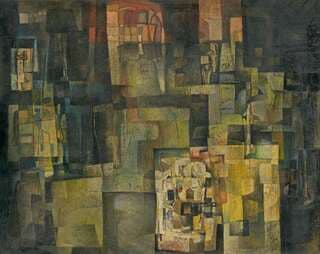 while maintaining connections to Indian cultural themes.
Regional Variations: Different regions of India have contributed unique approaches to abstract art, influenced by local traditions, materials, and cultural practices. This diversity has enriched the overall landscape of Indian abstract expression.
Conclusion
Abstract art is more than just “random” colors or shapes. It is a profound form of expression that allows both the artist and viewer to connect through emotions and ideas beyond the physical world. Its beauty lies in freedom: freedom from rules, from realism, and from a single meaning. Whether it’s Kandinsky’s pioneering works or modern digital abstractions, abstract art continues to inspire creativity and challenge perception.