amrita sher-gil : bridging east & west through art
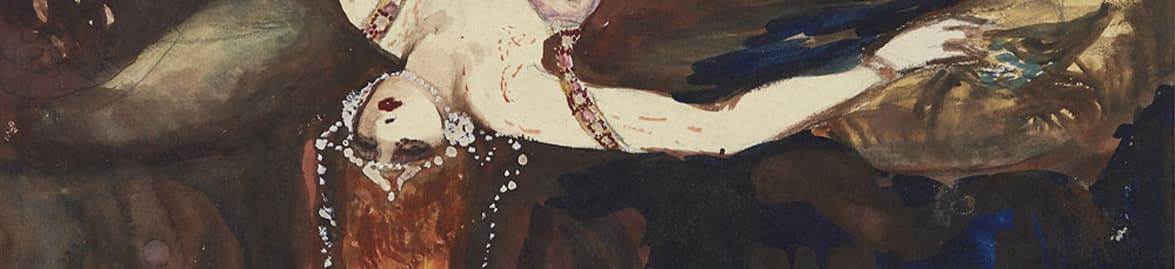
Amrita Sher-Gil (30 January 1913 – 5 December 1941) was known as the mother of art in India. She’s also referred to as a cultural icon and visionary artist of the 20th century. She was one of the most important figures in Indian modern art. Her work combined Western artistic techniques with Indian themes. The artist is celebrated for her vibrant, emotive style and her role in shaping the modern art movement in India.
Early Life
Amrita Sher-Gil was born in Budapest, Hungary to a Sikh father, Umrao Singh Sher-Gil and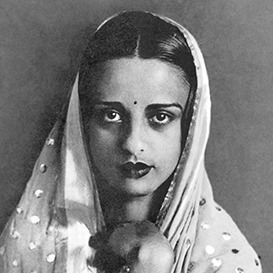 a Hungarian mother, Marie Antoinette Gottesmann. The artist's family moved to India when she was a child. Sher-Gil began her formal art education at the age of eight although she had started painting at age five. She studied at the École des Beaux-Arts in Paris, where she was exposed to European art traditions and developed her distinctive style. Her training in Paris was influential in shaping her approach to art, blending Western techniques with Indian themes. Sher-Gil was recognised for her work titled “Young Girls” and was the first Asian to win the election as Associate of the Grand Salon in Paris in 1933. She returned to India to discover her Indian roots and began working as Assistant Editor and lead writer for "The Calcutta Statesman” along with Malcolm Muggerridge. Karl Jamshed Khandalavala encouraged her to rediscover her passion for traditional Indian art. The cave paintings of Ajanta and the Mughal and Pahari schools of painting influenced her greatly.
Later Life
In 1937, she produced the "South Indian trilogy” (Brahmacharis, South Indian Villagers Going to Market and Bride’s Toilet). These works reflected her influence of Ajanta as well as Ellora. It was in these later years Amrita returned to Indian art. She started depicting natural elements in her work. This was reflected in her works such as “Elephants Bathing in a Green Pool” (1938), “Red Clay Elephant” (1938) and "The Verandah with Red Pillars” (1938), which introduced the element of decoration in the form of plants and animals. She also began depicting the suffering of the poor faced by her Indian subjects. Through her art, she made it her mission to express the life of the Indian people. This marks a major artistic development for the artist as she grew from the European style of painting.
At the age of 25, she got married and moved to Saraya Estate in Uttar Pradesh with her husband. Here, she was influenced by the Bengal School of Art and the Progressive Artists Group'. Her works were greatly influenced by both Rabindranath Tagore and Abhanidranath Tagore. Just days before her first solo exhibition, Amrita Sher-Gil passed away on December 5, 1941, in Lahore, British India (now Pakistan). Her works are held in major collections and continue to be celebrated for their beauty and emotional depth.
Family
Amrita Sher-Gil was married to Victor Egan, a Hungarian Jew, in 1938. Egan, who played a significant role in Amrita's life and art, was a supportive partner, assisting her in her artistic endeavors and navigating the complexities of her career. However, their marriage faced challenges, primarily due to Amrita's intense dedication to her art and her struggles with societal expectations. The couple did not have any children, which further fueled speculation about Amrita's commitment to her work over traditional family life. Despite the absence of offspring, her artistic legacy endures through her influential works, which continue to resonate in the world of modern art, showcasing her unique perspective on femininity and cultural identity.
Artistic Journey
In 1926, Indologist Ervin Baktay, her uncle, noticed Amrita's artistic talents. He encouraged her to pursue an academic education to grow in the art field. She began taking formal lessons in art from Major Whitmarsh and later by Hal Bevan-Petman. In 1924, she was expelled from Santa Annunziata Boarding School, Florence as she was found painting a nude and was described as a rebellious student who protested against the school's orthodoxy. Later, at her own house, she started studying human figures and using live models which were most often the helpers of the house for studies. After changing schools, she left for Paris to train as a painter with her mother, where she drew inspiration from European painters including Paul Cézanne, Henri Matisse, and Van Gogh. It was this move that marked a significant growth in her artistic journey.
Death
Amrita Sher-Gil's untimely death at the age of 28 on December 5, 1941, remains one of the most tragic events in the history of Indian art. She passed away under mysterious circumstances in her apartment in Lahore, and though the cause of her death was officially recorded as peritonitis, speculation about suicide or a possible poisoning has persisted over the years. Sher-Gil’s death marked the premature end of a promising and revolutionary career, leaving behind a legacy of groundbreaking works that bridged European modernism with traditional Indian art. Her bold, emotive, and introspective style challenged societal norms, especially in her depictions of women and marginalized communities. In the few years she spent actively creating art, Sher-Gil became an icon of modern Indian art, and her passing left a profound void in the cultural landscape. Despite her short life, her work continues to inspire and influence generations of artists, and her story remains a poignant reminder of the fragility of life and the enduring power of artistic expression.
Philosophy
Amrita Sher-gil once said, “Europe belongs to Picasso, Matisse & many others, India belongs only to me!” Sher-Gil used unconventional compositional techniques to create a sense of intimacy and immediacy in her work. Her style was a blend of Eastern and Western artistic traditions, influenced by European modernist techniques, particularly those of Post-Impressionism and Cubism, which she combined with Indian themes and aesthetics.
Amrita Sher-Gil valued personal expression & originality in her paintings. She sought to break away from the conventional and established her own voice. This was reflected in her style, which combined realism with modernist abstraction, and in her choice of subjects that conveyed a deep connection to her Indian heritage.
Painting Style & Techniques
Amrita Sher-Gil’s painting style and her works were created with a fusion of Western and Indian aesthetics, particularly in the Post-Impressionism style. Sher-Gil's early works were influenced by the European avant-garde movements she encountered in Paris. Her initial pieces were characterised by a focus on form and colour, and reflected her experimentation with a range of styles. Upon returning to India in the late 1930s, Sher-Gil began to incorporate Indian themes and subjects into her work. She drew inspiration from Indian life, folklore, and traditions, and her art began to reflect a synthesis of Western techniques and Indian sensibilities. She travelled across India and observed the life of the local people.
Her work also explored themes of gender and identity. She often depicted women in a way that highlighted their inner strength and emotional complexity, challenging contemporary stereotypes and presenting a nuanced view of the female experience. Sher-Gil used her art as a platform to address social issues and critique societal norms. Her paintings often commented on the disparities and struggles within Indian society, providing a reflective perspective on social change.
Famous Paintings
Amrita Sher-Gil's paintings often featured bold colours, dramatic contrasts, and a sense of emotional intensity. Her artworks often featured simplified, almost geometric forms and strong, clear lines. This approach helped to emphasise the emotional content and essence of her subjects rather than intricate details. Her works reflected a deep engagement with Indian cultural and social issues.
Famous paintings by Amrita Sher-gil include “Young Girls”, “Self-Portrait”, “Self-Portrait as Tahitian”, “Study of a Man's Head”, “Group of Three Girls”, “Hill Scene”, “Hill Women”, “Bride's Toilet”, “Two Women”, “Siesta”, “Still Life”, “The Story Teller”, “Red Brick House”, “Woman on Charpai”, ”The Child Bride”, “Village Scene”, “Haldi Grinders”, “In the Ladies' Enclosure”, “Three Girls”, “Brahmacharis”, “Two Girls”, “Camels”, “Hungarian Market Scene”, “Ancient Storyteller”, “The Little Girl in Blue”, “Torso”, “Fruit Vendors”, “Elephants Bathing in a Green Pool”, “The Swing”, and “Mother India”.
Unfinished Paintings
Amrita Sher-Gil left behind a treasure trove of unfinished paintings that continue to fascinate art enthusiasts to this day. Among her most notable unfinished works are "The Bride's Toilet" (1937), "The Small Figure in the Distance" (1938), and "The Morning Call" (1939). These pieces, though incomplete, offer a glimpse into Sher-Gil's unique style and artistic vision, which blended Indian and European influences. Despite being left unfinished, these paintings still exude a sense of beauty and emotion, making them a testament to Sher-Gil's skill and talent as an artist.
Controversial Paintings
Self-Portrait As A Tahitian - Amrita Sher-Gil's Self-Portrait As A Tahitian painting is a striking work that reflects her fascination with the vibrant cultures and aesthetics of non-European societies, inspired in part by Paul Gauguin's depictions of Tahitian life. Painted in 1934, the self-portrait sees Sher-Gil reimagining herself with a distinctly exoticized identity, donning bold hues and an arresting gaze that blurs the line between the observer and the observed. This painting is emblematic of her deep engagement with questions of identity, cultural hybridity, and self-representation. The intense, earthy palette and stylized contours echo the post-impressionist influences she absorbed during her time in Paris, while her choice to portray herself in this way signals her exploration of cultural “otherness” and her quest to understand her place in a colonial and postcolonial world. It’s a deeply personal yet profoundly universal work, showcasing Sher-Gil’s pioneering spirit as a modernist artist in dialogue with global artistic traditions.

The Bride’s Toilet - Amrita Sher-Gil's The Bride's Toilet painting is a vivid and intimate portrayal of Indian womanhood, imbued with the artist's signature sensitivity and modernist perspective. Created in 1937, this painting captures the quiet yet charged moments of a bride preparing for her wedding, surrounded by women engaged in ritualistic and communal support. Sher-Gil masterfully blends European academic techniques with an appreciation for traditional Indian aesthetics, resulting in a composition that exudes warmth and cultural depth. The muted earthy tones and nuanced expressions on the women's faces convey a mix of anticipation, solemnity, and introspection, reflecting the emotional complexity of such a transformative life event. As one of her most celebrated works, The Bride’s Toilet showcases Sher-Gil's ability to articulate the lived experiences of Indian women while pushing the boundaries of modern art in India.

The Little Girl In The Blue Dress - Amrita Sher-Gil's The Little Girl In The Blue Dress painting is a poignant and evocative artwork that showcases her exceptional ability to capture the inner worlds of her subjects. Painted in 1934, this work features a young girl seated against a dark, minimalist background, her blue dress standing out vividly in contrast. The girl's expression is contemplative and tinged with melancholy, hinting at emotions far beyond her years. Sher-Gil’s use of color, light, and texture imbues the scene with a sense of intimacy and depth, inviting viewers to ponder the child's thoughts and experiences. The painting exemplifies Sher-Gil’s commitment to portraying the emotional complexity of her subjects, particularly women and children, often imbuing them with a sense of quiet dignity. This work also reflects her synthesis of European modernist techniques with an Indian sensibility, a hallmark of her influential career.

Besides these, “The Child Bride”, “Siesta” and “Haldi Grinders" were some of other Amrita Sher-Gil’s controversial paintings. Many of her nude figures were considered scandalous and provocative as they challenged the traditional perspective on femininity and sexuality.
Characteristic Features Of Her Paintings
Amrita Sher Gil used bold and expressive hues to convey mood and emotion, often employing a palette that enhanced the sensual quality of her subjects. Her paintings were known for their rich, vibrant colours. Many of her works focused on the lives of women, often portraying them in domestic settings or exploring their inner lives. Her subjects were depicted with a sense of intimacy and psychological depth.
Her subjects frequently included rural life and traditional themes, providing a critique of colonial and post-colonial conditions in India. She was inspired by Indian folk art and traditional painting styles, which can be seen in her use of simplified figures and stylised elements. This influence adds a unique texture to her modernist approach.
Amrita Sher-Gil’s portraits and self-portraits are significant in her oeuvre; through these, she explored personal identity and the role of women, presenting them with psychological insight and emotional resonance. Her unique ability to merge various artistic influences while staying true to her Indian roots made her paintings stand out as significant contributions to modern art.
Awards
Amrita Sher-Gil won a gold medal at the Paris Grand Salon for her work titled “Young Girls” in 1933, in Paris. Her painting of Boris Taslitzky, titled "Portrait" also known as “Portrait of a Young Man", executed in 1931, won a prize at the École des Beaux-Arts, Paris. Her works were treated as a national treasure by the Government of India along with other artist such as Raja Ravi Varma, Abanindranath Tagore, Rabindranath Tagore, Nandalal Bose, Jamini Roy, Gaganendranath Tagore, Nicholas Roerich and Sailoz Mukherjee.
Impact on Indian Art
Amrita Sher-Gil was considered a major influence on the Indian modern art movement. Her ability to merge Western and Indian artistic traditions helped pave the way for future generations of Indian artists. Her work introduced new perspectives and styles to Indian art, bridging Eastern and Western art forms. Her paintings often addressed social issues and her work influenced many contemporary Indian artists.
Conclusion
Amrita Sher-Gil, a celebrated Indian painter, effectively bridged east & west through her art by synthesizing diverse cultural influences and artistic techniques from both traditions. While studying at the École des Beaux-Arts in Paris, she embraced European painting styles, particularly Post-Impressionism, which informed her use of color and composition. However, she remained deeply connected to her Indian heritage, often depicting Indian subjects, themes, and traditional techniques in her works. Sher-Gil's paintings, such as "The Bride's Toilet" and "Three Girls," exemplify this fusion, where she portrays Indian women with both sensitivity and strength, using bold colors and Western artistic techniques. By integrating the aesthetics of Western modernism with the emotional depth and cultural narratives of Indian life, Sher-Gil created a unique visual language that resonated with audiences across cultures, making her a pivotal figure in the dialogue between Eastern and Western art.
Whether through her beautiful paintings capturing Indian rural life or intimate portraits rich in emotion, Sher-Gil’s creations continue to resonate with art enthusiasts globally. Her canvas paintings reflect an extraordinary ability to portray both cultural depth and human experiences, making them timeless works of art. Today, Amrita Sher-Gil artworks are highly sought after, with her oil paintings, wall paintings & prints commanding attention at prestigious exhibitions and auctions. Collectors around the world vie to acquire her works, driving up painting prices and cementing her status among the most valuable Indian artists. For those exploring the art market, Amrita Sher-Gil’s artworks are not only admired for their artistic value but also regarded as significant aesthetics, often appearing for sale at exclusive galleries and auction houses. Her enduring influence ensures that her art continues to inspire and captivate future generations, securing her place as a bridge between artistic traditions and cultures.
We hope you enjoyed this article. For a comprehensive showcase of Amrita Sher Gil original paintings, click here and explore her vibrant portfolio.