life & legacy of naziha salim: pioneer of contemporary iraqi art
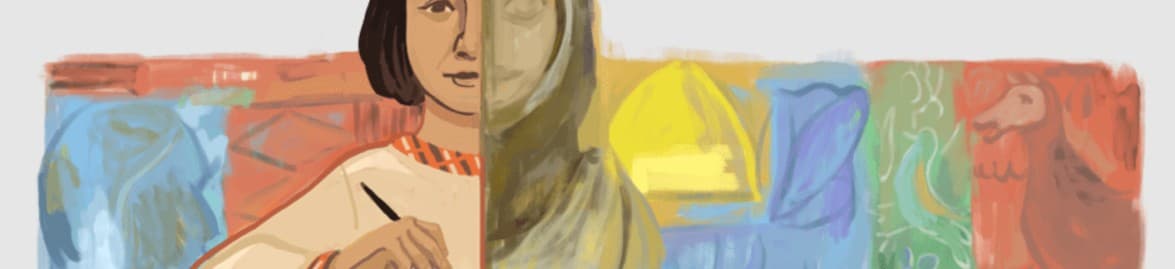
Naziha Salim - Artist Profile, History, Famous Paintings & Facts
Naziha Salim (1927–2008) stands as one of the most influential figures in modern Iraqi art, renowned for centering women’s experiences and rural life in her vivid, expressive paintings. As an pioneering female artist, educator and author, Naziha Salim broke barriers and laid the foundation for generations of Iraqi women artists to actively shape the region’s cultural narrative.
Early Life
Born in 1927 in Istanbul, Turkey, to Iraqi parents, Naziha Salim (full name- Naziha Selim Abdel Qader) grew up surrounded by creativity and craft. Her early years were shaped by the cultural diversity of her birthplace and her family’s strong artistic inclinations.
Later Life
After a career spent nurturing Iraq’s artistic scene, Naziha Salim faced health setbacks with a stroke in 2003, spending her final years in Baghdad before passing away in 2008 at age 81. Her death was marked as a profound loss for Iraqi art and culture.
Family
Naziha Naziha was born into a legendary family of artists. Her father, Hajji Mohammed Salim, was a respected painter, while her mother excelled in embroidery. Her brothers, Su’ad Salim (the designer of Iraq’s national Emblem), Jawad Salim and Rashid Salim, each left significant marks on Iraqi art and culture. Jawad Salim, for instance, became one of Iraq’s most celebrated sculptors. This familial environment not only provided Naziha with early artistic inspiration but also a strong support network as she forged her path in the arts.
Education
Naziha Salim was among the first women to attend the Baghdad Fine Arts Institute, graduating with distinction. Awarded a prestigious scholarship, she continued her studies in Paris at the École Nationale Supérieure des Beaux-Arts, specializing in fresco and mural painting. On returning to Iraq, she became a pioneering art educator at her alma mater.
Painting Style
Naziha Salim’s painting style is characterized by a unique blend of realism and abstraction. Her work often combined strong figural compositions with expressive color palettes and simplified forms. She was particularly focused on capturing the everyday life of Iraqi people, landscapes, and cultural rituals, portraying them with both intimacy and dignity. Her modernist approach, coupled with an emphasis on national identity, distinguished her work from that of her contemporaries.
Famous Paintings
Notable paintings by Naziha Salim include:
• Dancers (date unknown)
• One Night’s Dream (1978)
• Bedouin Love Tale (1980)
• Al Faris (1992)
• The Martyr’s Wife (date unknown; now in the Barjeel Collection)
Her paintings are housed in renowned collections such as the Sharjah Art Museum and the Modern Art Iraqi Archive.
Characteristic Features of Her Paintings
Naziha Salim’s paintings distinctively feature:
• Bold Use of Color: Salim’s work is marked by vivid and contrasting color schemes that enhance the emotional impact of her subjects.
• Focus on Women: She often portrayed women as central figures, highlighting their role in Iraqi society.
• Simplification of Forms: Her paintings display a tendency toward abstraction, using simplified shapes and lines to evoke mood rather than strict realism.
• Cultural Motifs: Many of her works incorporated traditional Iraqi motifs, clothing, and architectural elements, giving them a sense of rootedness in local heritage.
Exhibitions
During her lifetime, Naziha Salim’s works were exhibited in numerous national and international exhibitions. Her art was showcased in Baghdad’s prominent art institutions, including the Iraqi Museum of Modern Art, and she participated in cultural exhibitions that promoted Iraqi art abroad, particularly in Europe and the Middle East. She also participated in group exhibitions of Al-Ruwwad and solo shows in Iraq and abroad; posthumous tributes include Google Doodles and international showcases celebrating her influence.
Achievements
• First Iraqi woman awarded an art scholarship abroad.
• One of the first formally trained female artists in Iraq.
• Founding member of Al-Ruwwad, revolutionizing Iraqi art.
• Art educator shaping Iraq’s next generation.
• Recipient of national and international recognition, including digital tributes such as a Google Doodle in 2022.
Famous Books
Naziha Salim authored the seminal book “Iraq: Contemporary Art” (published 1977), a crucial resource on the nation’s burgeoning modern art movement. This text continues to inform contemporary scholarship.
Notable publications include academic book and articles on Iraqi modern art that discuss her contributions, such as:
• Modern Art in Iraq: 1945–1970 by Nada Shabout (includes references to Naziha Salim).
Legacy & Impact
Naziha Salim’s legacy is immense, particularly in the context of Middle Eastern art history. Salim is lauded as a founding member of Al-Ruwwad (the Avant-Garde/Primitive group), pivotal in merging European techniques with Iraqi identity. As one of the first prominent female Iraqi artists, she broke significant gender barriers, inspiring generations of women to pursue art professionally. Her pedagogical work shaped the development of fine arts education in Iraq and her commitment to portraying Iraqi identity has remained influential. Her works continue to be studied for their artistic merit and cultural insight, contributing to a broader understanding of modern Arab art.
Conclusion
Naziha Salim’s contributions transcend her canvases. By chronicling and elevating the lives of Iraqi women, fostering cross-cultural artistic exchange and leading by example in education and authorship, she has secured a permanent place in art history. Through her paintings, she not only documented the spirit of her time but also empowered a new generation of Iraqi artists, especially women to pursue creative expression despite societal challenges.
Lesser-Known Facts
• Naziha Salim’s relative Abdul Qadir Al Rassam was among the first Iraqis to paint in European styles.
• Her brother Su’ad designed Iraq’s coat of arms.
• Although her work was widely respected in Iraq, it remained relatively underrepresented in Western art circles until recent decades.
• Google celebrated her legacy with a dedicated Doodle on April 23, 2022 and her works are increasingly featured in global collections.
Image Credit:
“Naziha Salim”, Google Doodle, via Wikimedia Commons
– Public Domain.