andy warhol - pioneer of the pop art movement
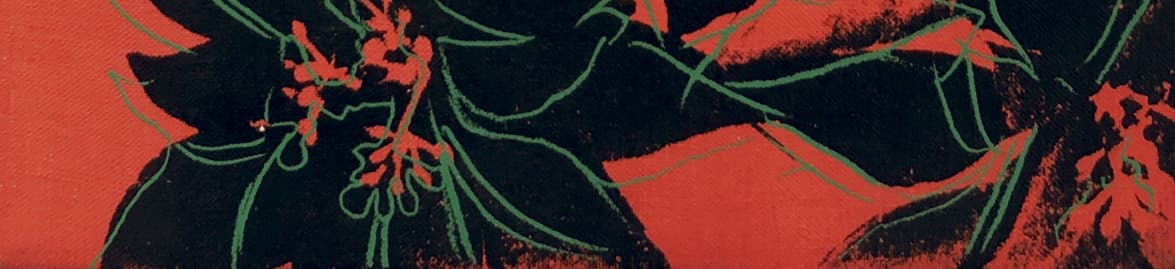
Andy Warhol is often hailed as a key figure in the art world and a leading pioneer of the Pop Art movement. His work fundamentally changed how people perceive art by transforming everyday objects into high art. Warhol's influence remains strong today, as his art reflects the complexities of consumer culture and celebrity.
The Pop Art movement emerged in the mid-20th century as a response to traditional art forms that typically focused on serious themes. Artists began to embrace popular culture, drawing inspiration from advertisements, comic books, and consumer goods. Warhol was at the forefront of this movement, challenging the boundaries between high and low culture. He famously stated, "In the future, everyone will be world-famous for 15 minutes," capturing the essence of a society increasingly obsessed with fame and media.
Warhol's breakthrough came in the early 1960s with his iconic "Campbell's Soup Cans" series. This collection featured 32 canvases, each depicting a different flavour of Campbell's soup. By turning a commercial product into fine art, Warhol blurred the lines between art and everyday life. His use of silkscreen printing allowed him to create multiple versions of the same image quickly, emphasising the repetitive nature of consumerism. This technique not only made his artwork more accessible but also questioned traditional ideas about originality and authenticity in art.
Warhol's artistic techniques were groundbreaking for their time. He embraced mass production methods that mirrored those used in advertising and manufacturing. Silkscreen printing became a hallmark of his work, enabling him to produce bright images with bold colours efficiently. This approach reflected the burgeoning consumer culture of post-war America, where mass production was becoming increasingly prevalent.
In addition to silkscreen printing, Warhol explored various media, including painting, sculpture, photography, and film. His studio, known as "The Factory," became a hub for collaboration and experimentation. Here, he worked alongside other artists and cultural figures, fostering an environment that encouraged creativity and innovation. The Factory was not just a studio; it was a social space where art was produced in a communal setting, blurring the lines between artist and audience.
Warhol’s exploration of celebrity culture is one of his most significant contributions to Pop Art. He created portraits of famous figures such as Marilyn Monroe, Elvis Presley, and Elizabeth Taylor. These works celebrated their fame while simultaneously critiquing society's obsession with celebrity status. In "Marilyn Diptych," created shortly after Monroe's death in 1962, Warhol featured repeated images of the actress in vibrant colours alongside a black-and-white version. This contrast highlights the disparity between her glamorous public persona and her tragic reality. Through these portraits, Warhol examined fame and identity while reflecting on society's fixation on celebrities.
Warhol’s fascination with consumerism extended beyond products to include cultural icons themselves. He understood that fame could be commodified just like any other product. His works often depicted celebrities in ways that stripped them of their individuality, presenting them instead as mere images in a consumer-driven society.
The impact of Warhol’s work extends beyond his lifetime. He redefined what art could be by incorporating elements of popular culture into his creations. His ability to reflect societal trends through his art has inspired countless artists who explore similar themes today. Contemporary artists continue to draw from Warhol’s techniques and ideas while pushing boundaries even further.
Warhol’s influence can be seen in various contemporary art movements such as Neo-Pop and street art. Artists like Jeff Koons and Takashi Murakami have adopted Warhol’s methods while adding their unique perspectives to the dialogue about consumerism and celebrity culture.
In summary, Andy Warhol's role as a pioneer of the Pop Art movement has left an indelible mark on both art and popular culture. His innovative techniques and exploration of consumerism transformed everyday objects into powerful symbols that resonate today. Warhol’s legacy serves as a reminder of art's potential to reflect societal values while challenging conventional norms. His vision remains relevant in ongoing discussions about creativity and culture in our modern world.