artist shilpa gupta - how she’s redefining indian art

Shilpa Gupta is one of the most exciting contemporary artists in India. Her innovative approach to visual art makes her cross boundaries and tackle issues related to identity, borders, and globalisation. She is now, over the years, one of the most recognised names in the Indian and international art scene, making and redefining what an Indian artist means in the 21st century. With her multidisciplinary approach, Gupta has challenged national and cultural identities that often seem fixed to ideas of control, conflict, and human relationships. In this manner, she has brought Indian art into a conversation with global urgencies as well as reshaping the contours of contemporary Indian art itself.
Boundary Issues: Art Without Boundaries
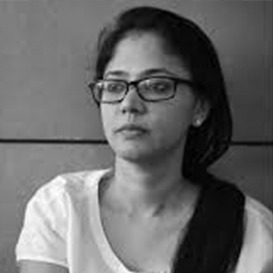 The issues of boundaries, both physical and conceptual, are common in Shilpa Gupta's works. The concept of a border, where nations, religions, and communities are divided, is a central theme of her art. She uses this as a reflection on how such divisions affect our lives and urges viewers to rethink the role borders play in shaping our identities and interactions with others. Gupta's work often involves various media such as found objects, sound, video, and text in order to discuss these ideas.
Her work reflects on the increasingly technological and surveillant nature of modern borders. She critiques the concept of national and cultural divisions, focusing on how such boundaries are enforced, both physically and through technological control. Through her exploration of these themes, Gupta raises questions about the dehumanising effects of surveillance and the pervasive role of technology in defining human interactions and experiences.
Role Of Identity In Gupta's Art
Another significant aspect of Gupta's practice is her exploration of identity. Her works often ask how identity is formed, controlled, and regulated by social, political, and cultural structures. Gupta, in doing so, questions fixed ideas of identity and proposes that it is fluid, complex, and formed through constantly shifting influences. She actualises this concept in her study of the mundane, where familiar objects and familiar characters accentuate how people are relegated to being stereotyped or pigeonholed by national, religious, or other identities.
When identity is broken down in Gupta's works, it reflects individual as well as collective experiences. She often uses words and symbols to underscore the tension between personal and national identities and raises troubling questions about power, politics, and history in who we all are. Through her pieces, she reminds viewers of the need to step out and understand oneself and to see how identity is constituted by larger societal forces on a global scale. In this, Gupta's work becomes a mirror to society, asking the viewer to reflect on their role in the larger scheme of things.
Technology and Interaction
Gupta uses technology as a way of engaging with her audience and offering a deeper sense of reflection on the connections in our lives. She often uses interactive elements in her works, inviting the public to be an active participant in the creation of the experience. This interaction allows for collective engagement, where the viewer becomes part of the dialogue, breaking the passive observer role.
With technology, Gupta explores the concept of collective memory and what shared human experience feels like. The use of sound, voice, and digital media allows for a vibrant, active exchange between the work and its audience, creating spaces to bring together people who can reflect on issues such as migration, displacement, or the question of belonging. The art encourages participation, wherein she gets to explore how, despite wide distances, human experience might be interconnected, thus creating oneness and shared understanding.
Political Commentary Through Art: Power, Nationalism, and Division
An artist who is deeply interested in global politics and social matters, Gupta uses her work as sharp political commentary on the powers of states, nationalism, and the forces that create division. She explores how bodies, both personal and political, are controlled, surveilled, and disciplined by the state, particularly in regions affected by conflict and political unrest.
Issues of violence, migration, and displacement dominate the art of Gupta. Such subjects are addressed as conditions for refugees and, sadly, the deterioration of most human rights in different parts of the world. Her work never shies away from such themes; she attacks them head-on, thrusting them in the face of the observer to confront unpalatable realities. With engagement in politics and the ability to transform complex ideas into relevant forms, Gupta is one of the most important political artists of her generation.
Redefining Indian Art on the Global Stage
Shilpa Gupta's contribution to Indian art is beyond the scope of her individual practice. She is helping redefine what it means to be an Indian artist in a global context. Though deeply rooted in socio-political issues of contemporary India, her work covers universal themes that transcend beyond cultures. She raises a set of questions related to borders, identity, surveillance, and migration that form important issues in the global scenario of the modern world. For all these reasons, she stands among the most important figures in contemporary international art.
Gupta's investigation into matters of technology, social questions, and the human experience is taking Indian contemporary art to new frontiers, where it could grow to become more inclusive and appealing.
She is bringing Indian art into a contemporary mode and reconfiguring the role of the artist herself in the contemporary world—a role that she plays creatively, critically, and by challenging all norms.
Shilpa Gupta's work is a powerful testament to the role that art should play in addressing issues in contemporary society—socially, politically, and culturally. It is important, first, for its innovation in Indian art and its exploration of global concerns, but even more so for provoking dialogue, reflection, and change. Shilpa Gupta breaks down walls, crushes stereotypes, and carves a new image for herself in the world of art—Indian artist, that is, a vision of changing times. She is instrumental in defining contemporary art in India and on the international plane.