baiga art: forest tribes spiritual art
What is Baiga Art
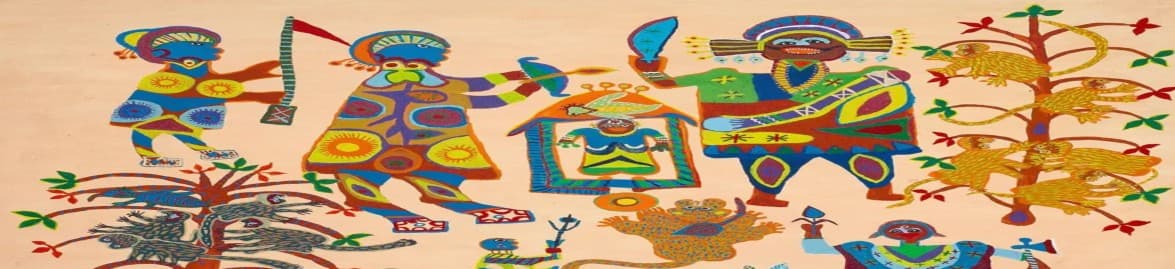
Baiga art is a deeply spiritual and symbolic form of indigenous expression practiced by the Baiga tribe, one of India’s oldest forest-dwelling communities. Rooted in nature, ritual and ancestral belief, Baiga art is not merely decorative. It is a living tradition that reflects the tribe’s worldview, relationship with the earth, and understanding of the unseen spiritual realm.
 Baiga Tribe
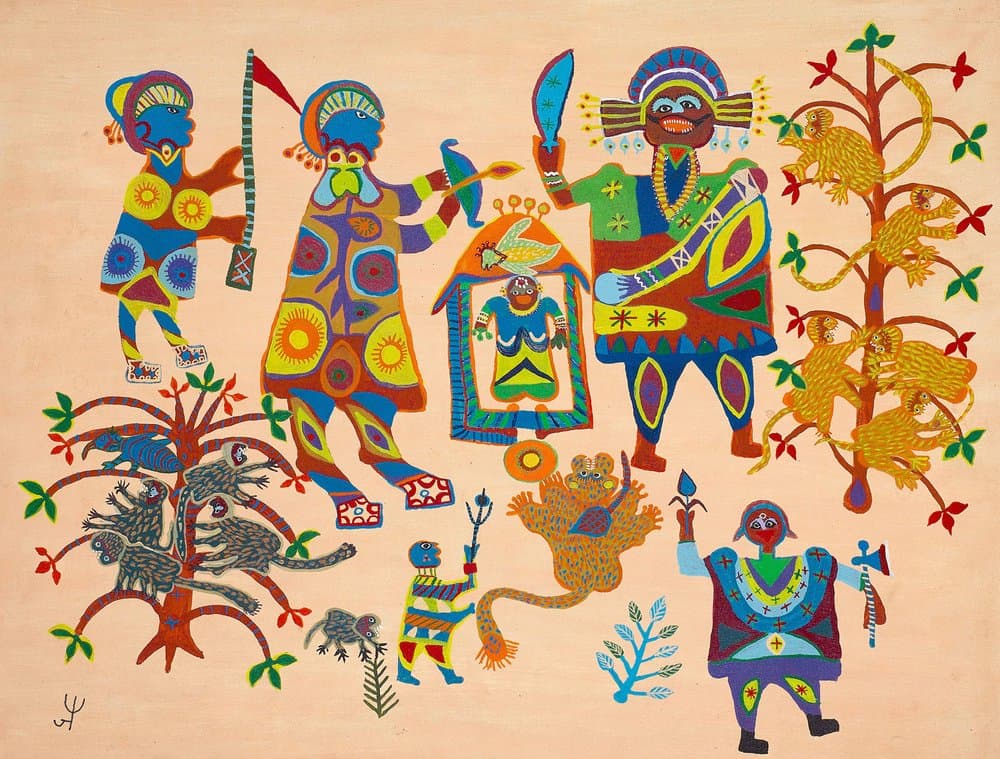
The Baiga people primarily inhabit the forest regions of central India, especially in Madhya Pradesh, Chhattisgarh, and parts of Jharkhand. Traditionally, they are hunter-gatherers and shifting cultivators who believe that the land, forests, rivers, animals, and spirits are interconnected. This belief system forms the foundation of Baiga art.
For the Baiga, nature is sacred. Mountains are ancestors, trees are living beings, and every natural element holds spiritual power. Their art becomes a medium to honor these forces and maintain harmony between humans and the natural world.
Spiritual Meaning in Baiga Art
Baiga art is closely linked to rituals, festivals, healing practices, and life events such as birth, marriage, and death. The paintings are often created on mud walls, floors, or ritual spaces using natural pigments derived from soil, charcoal, leaves, and flowers.
Common themes include:
•> Deities and ancestral spirits
•> Animals like tigers, snakes, birds, and deer
•> Trees, forests, and celestial symbols
•> Cosmic patterns and sacred geometry
Each symbol carries meaning. For example, animals often represent protectors or spiritual guides, while circular and repetitive patterns symbolize continuity, life cycles, and cosmic balance.
Style and Techniques
Baiga art is known for its bold lines, earthy colors, and rhythmic patterns. Unlike realistic art, the figures are stylized and symbolic. Proportion is less important than spiritual significance. The repetition of lines and dots creates a meditative quality, reflecting the trance-like rituals often associated with Baiga spirituality.
The art is traditionally created by women, especially elder women, who pass the knowledge orally from generation to generation. This transmission keeps the tradition alive without written manuals or formal training.
Famous Baiga Artists
In recent decades, several Baiga artists have gained recognition for bringing this sacred forest art to wider audiences while preserving its spiritual essence. Below is information on some notable and recognized Baiga artists:
•> Jodhaiya Bai Baiga - Born in 1937 or 1938 in Lorha village, Umaria district, Madhya Pradesh, she began painting in her late 60s under mentor Ashish Swami, transitioning from manual labor to canvas work inspired by Baiga motifs like the mahua tree and Shiva legends. Her exhibitions spanned Bhopal, Delhi, Milan, and Paris; she received the Nari Shakti Puraskar in 2022 and Padma Shri in 2023 before passing on December 15, 2024, at age 86.
•> Ramrati Bai Baiga - A contemporary Baiga woman artist from Madhya Pradesh, mentored by Ashish Swami, she paints acrylic works on paper and canvas featuring animals, sacred motifs, festivals, and daily life, emphasizing the tribe's harmony with forests.
•> Amar Baiga - From Lorha village, this 25-year-old (as of 2025) started painting in 2018 amid economic challenges, contributing to the local hub alongside Jodhaiya Bai and Ashish Swami's Art Kala Kendra, though financial returns remain modest.
Baiga Art in the Modern World
In recent years, Baiga art has gained recognition beyond tribal communities. Artists have begun working on paper, canvas, and textiles, allowing the art form to reach galleries, exhibitions, and global audiences. While this has helped provide livelihoods and visibility, it also raises concerns about preserving the spiritual essence of the tradition.
Efforts by cultural organizations and tribal artists aim to strike a balance by sharing Baiga art with the world while protecting its sacred meaning and community ownership.
Importance
Baiga art is more than a visual tradition; it is a spiritual language. It records myths, preserves ecological wisdom, and reinforces cultural identity. In a world increasingly disconnected from nature, Baiga art offers a powerful reminder of coexistence, respect for the earth, and the spiritual depth of indigenous knowledge.
Conclusion
Baiga art stands as a testament to the profound connection between art, spirituality, and nature. Born from the forests and shaped by ancestral belief, it continues to speak in symbols, patterns, and stories that transcend time. As appreciation for indigenous art grows, Baiga art invites us not only to admire its beauty but to understand the sacred worldview it represents.