buddha paintings by famous artists: a fusion of mythology & aesthetics
.jpg&w=3840&q=75)
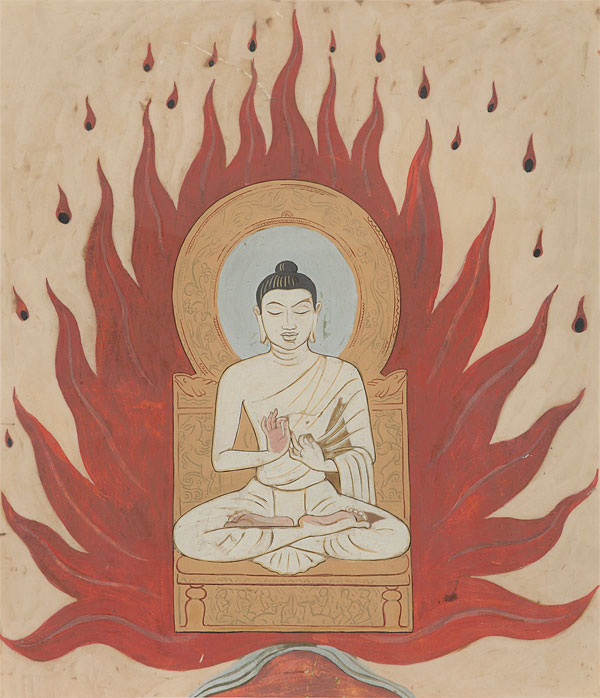 Buddha paintings have long been a source of inspiration, spirituality and artistic expression. From ancient depictions to modern interpretations, Buddha paintings continue to captivate art enthusiasts and spiritual seekers alike. This article delves into the works of notable artists who have interpreted the image of the Buddha, each bringing their distinct style and perspective to this ancient subject.
But, before we dive into the fascinating world of famous artists and their Buddha paintings, it's important to first explore some essential aspects of this timeless art form. From the origins of Buddha paintings and their evolution over time to the inspiration that drives these masterpieces, understanding these foundational elements will give us a deeper appreciation for the artworks that have captivated artists and art lovers alike for centuries. Additionally, we'll touch upon the connection between Buddha paintings and Vastu, offering insight into how these artworks can harmonize with one's surroundings. Let’s begin by tracing the roots of this spiritual and artistic tradition.
Origin Of Buddha Paintings
The origin of Buddha paintings can be traced back to ancient India, with early representations of the Buddha appearing in symbolic forms such as an empty throne, the Bodhi tree, footprints or a wheel. As Buddhism gained popularity, the image of the Buddha evolved into anthropomorphic forms, influenced by the development of monastic Buddhism and the concept of achieving Buddhahood. During the Kushana period, the image of the Buddha emerged in two major centers of Indian art. Over time, various regions developed their unique art forms to represent the Buddha, including Thangka paintings from Tibet and Nepal, Gandhara art from Pakistan and Afghanistan and Zen ink paintings from Japan.
Decoding Buddha Paintings
Buddha paintings are rich in symbolism, with every element carrying a deeper meaning. The Buddha is often depicted in meditative postures, symbolizing inner peace and enlightenment. Common motifs include the lotus flower, representing purity and spiritual awakening, and the halo, signifying divine energy and enlightenment. The elongated earlobes represent his noble birth and rejection of material wealth. The urna (dot between the eyebrows) symbolizes spiritual vision and wisdom. The ushnisha (bump on top of the head) represents enlightenment and superior mental faculties. Colours also play a vital role in Buddha paintings. Gold represents enlightenment and divine light, blue symbolizes wisdom and purity, while red signifies life force and power.
Inspiration Behind Buddha Paintings
Artists are drawn to paint Buddha for various reasons, most notably Buddha's calm and serene presence, which represents inner peace and enlightenment. By capturing his likeness, artists seek to convey a sense of tranquility and spiritual awakening. The Jataka tales, which narrate the previous lives of the Buddha also offer a wealth of stories that have been vividly portrayed in art. Historical events from the Buddha's life, such as his enlightenment under the Bodhi tree or his first sermon at Sarnath are frequent painting subjects.
Buddha Paintings In The Modern Era
In the modern era, Buddha paintings have transcended their religious origins to become a popular form of art. Contemporary artists reinterpret traditional themes, blending them with modern aesthetics to create unique works. These paintings are often used in interior design to create a calming and spiritual ambiance.
Digital art and mixed media have also expanded the possibilities for Buddha paintings, allowing artists to experiment with new techniques and styles. Despite these innovations, the essence of Buddha paintings conveying peace, wisdom, and enlightenment remains unchanged.
Vastu Connection Of Buddha Paintings
Vastu Shastra, the ancient Indian science of architecture and spatial arrangement, emphasizes the placement of objects to harmonize with natural energies. According to Vastu principles, placing a Buddha painting in the northeast direction of a room can enhance tranquility and spiritual growth. This placement is believed to align with the cosmic energies, promoting peace and prosperity within the household.
Vastu Tips For Placing Buddha Paintings
According to Vastu Shastra, the ancient Indian science of architecture, the placement of Buddha paintings can significantly impact the energy flow in your home. Here are some Vastu tips for placing Buddha paintings to enhance positive energy:
• Entrance Area: Placing a Buddha painting near the entrance of your home can invite positive energy and create a welcoming atmosphere. The Laughing Buddha is particularly suitable for this location, as it is believed to attract good fortune and prosperity.
• Living Room: The living room is an ideal place for a Buddha painting, as it is the central gathering space in your home. A meditating Buddha or a standing Buddha painting can promote a sense of peace and harmony among family members and guests.
• Meditation Room: If you have a dedicated meditation or prayer room, a Buddha painting is a must-have. The serene image of Lord Buddha can enhance the spiritual ambiance of the space, making it easier to focus on meditation and mindfulness practices.
• Bedroom: Placing a Buddha painting in the bedroom can create a calming and restful environment. A reclining Buddha painting is particularly suitable for this space, as it symbolizes relaxation and the pursuit of inner peace.
• Study or Office: A Buddha painting in your study or office can help reduce stress and promote focus and productivity. A standing Buddha or a meditating Buddha painting can inspire wisdom and determination in your work.
• Direction: According to Vastu, the ideal direction for placing a Buddha painting is the east or north-east direction of your home.
These directions are associated with positive energy and spiritual growth, making them ideal for enhancing the benefits of Buddha paintings.
Importance Of Lord Buddha Paintings
Lord Buddha paintings hold significant importance in both spiritual and artistic realms. They embody the teachings of Siddhartha Gautama, the historical Buddha, and serve as reminders of his path to enlightenment. These artworks are believed to inspire mindfulness, tranquility, and compassion in viewers, making them a popular choice for meditation spaces and homes alike.
Moreover, Gautam Buddha paintings can create a calming atmosphere, promoting mental clarity and emotional stability. They often depict key moments from the Buddha's life, such as his enlightenment under the Bodhi tree, symbolizing the quest for knowledge and inner peace. As such, they not only enhance the aesthetic appeal of a space but also serve as catalysts for spiritual growth and reflection.
Attract Luck & Prosperity With Buddha Paintings
Buddha paintings are widely regarded as conduits for attracting luck and prosperity. They symbolize enlightenment, inner peace, and spiritual growth, making them ideal for creating a serene environment. According to Vastu Shastra and Feng Shui, these artworks enhance the flow of positive energy (Chi) within a space, promoting abundance and auspicious fortune. Their universal appeal transcends religious boundaries, resonating with individuals seeking tranquility and success in life. The meditative presence of Buddha paintings is believed to align energies, fostering mindful choices and clarity in decision-making. Buddhist artworks serve as reminders of Gautam Buddha's teachings on compassion and mindfulness, inspiring personal transformation and emotional stability.
Types Of Buddha Painting For Your Home
Buddha paintings come in a variety of styles and themes, each capturing different aspects of Lord Buddha's life and teachings. Here are some popular types of Gautam Buddha paintings that you can consider for your home:
• Meditating Buddha: This is one of the most common and iconic depictions of Lord Buddha. The meditating Buddha is shown in a seated position with his eyes closed, symbolizing deep meditation and inner peace. This type of painting is perfect for creating a serene and contemplative atmosphere in your home.
• Laughing Buddha: The Laughing Buddha, also known as Budai or Hotei, is a symbol of happiness, prosperity, and good fortune. He is often depicted with a large belly and a joyful expression, holding a sack of treasures. This type of painting is believed to bring positive energy, wealth, and abundance into your home.
• Reclining Buddha: The reclining Buddha depicts Lord Buddha in a resting position, lying on his right side with his head supported by his hand. This posture symbolizes the moment before Buddha's passing into Nirvana. A reclining Buddha painting can serve as a reminder of the ultimate goal of enlightenment and the impermanence of life.
• Standing Buddha: The standing Buddha is depicted with both feet together, often with one hand raised in a gesture of blessing or teaching. This posture symbolizes courage, determination, and the spreading of wisdom. A standing Buddha painting can inspire strength and resilience in your daily life.
• Buddha in Nature: These paintings depict Lord Buddha in natural settings, such as under a Bodhi tree or surrounded by lotus flowers. The serene and harmonious environment in these paintings reflects the connection between nature and spirituality, making them ideal for creating a peaceful ambiance in your home.
Home Decor With Famous Buddha Paintings
Buddha paintings are a versatile addition to home decor, blending seamlessly with both traditional and modern interiors. Their calming presence makes them ideal for spaces like meditation rooms, bedrooms, and living areas. Large Buddha portraits can serve as statement pieces, while smaller paintings can be grouped together for a gallery wall effect.
Folk art forms, such as Madhubani and Warli have also embraced the Buddha as a subject, often incorporating vibrant colors and intricate patterns that symbolize peace and harmony, which makes them suitable for home decor.
Famous Buddha paintings, such as those by Indian artist Raja Ravi Varma or contemporary artists like Thangka painters, are highly sought after for their artistic and spiritual value. These works not only enhance the aesthetic appeal of an office or residential space but also imbue it with a sense of tranquility and mindfulness.
Now that we've explored the rich history, cultural significance, and various inspirations behind Buddha paintings, it's time to shift our focus to the remarkable artists who have brought this sacred art to life. These renowned painters, with their unique styles and interpretations, have not only captured the essence of Buddha but also influenced the way we view spiritual art today. Let’s take a closer look at some of the most famous artists who have immortalized the image of Buddha through their masterpieces.
Famous Artists & Their Buddha Paintings
Throughout history, numerous renowned artists have created remarkable Buddha paintings:
• Nicholas Roerich - The Russian artist created numerous Buddha paintings during his expeditions through Central Asia and the Himalayas. His "Buddha the Conqueror" (1925) stands out for its vivid use of color and cosmic symbolism. Roerich's distinctive style combined modernist techniques with traditional Buddhist imagery, setting his Buddhas against dramatic mountain landscapes in rich, jewel-like colors.
• Xu Beihong - A master of Chinese ink paintings, Xu Beihong combined traditional Chinese artistic elements with Western realism. His Buddha portraits often exuded a sense of tranquility and deep contemplation, portraying the enlightened being with refined brush strokes.
• Andy Warhol - A leading figure in the pop art movement, often drew inspiration from various cultures, including Buddhism. Warhol’s "Buddha" series features bold colors and repetitive imagery, blending Eastern and Western aesthetics. His work invites viewers to reconsider the commercialization of spiritual symbols while celebrating their cultural significance.
• Abanindranath Tagore- He presented Buddha in a delicate and ethereal manner. His paintings often depicted Buddha in soft, muted tones, emphasizing divine grace and transcendental calmness. His work "Buddha and Sujata" in (1901) beautifully captures a pivotal moment in Buddha's life when he receives kheer from Sujata, symbolizing nourishment and spiritual awakening.
• Raja Ravi Varma - He is known for blending European realism with Indian themes, also explored Buddhist themes in his work. Though primarily focused on Hindu deities and epics, some of his lesser-known paintings depict Buddha in a regal yet meditative form, highlighting his royal lineage before renunciation.
• M.F. Husain - Maqbool Fida Husain, a renowned modern artist, brought dynamic strokes and a contemporary feel to Buddha’s imagery. His Gautam Buddha paintings, often in bold colors, expressed movement, tranquility, and spiritual energy. Husain’s interpretation of Buddha carried a blend of abstraction and traditional motifs.
• Anjolie Ela Menon - Known for her vibrant yet introspective style, she has portrayed Buddha in a mystical and evocative manner. Her paintings incorporate a mix of tempera techniques and textured surfaces, lending them a unique spiritual depth.
Final Thoughts
Buddha paintings are more than just works of art; they are windows into a world of spirituality, mythology, and aesthetic beauty. Whether used for meditation, home decor or as a source of inspiration, these paintings hold a timeless appeal that transcends cultural and religious boundaries.