building a movement: art institutions and the rise of modern indian expression
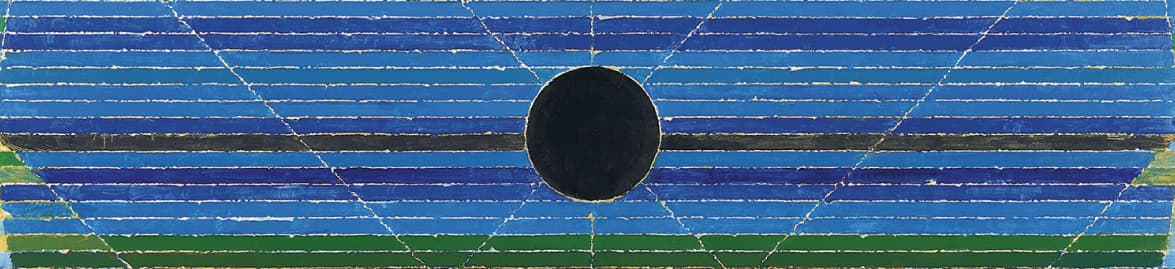
The Bombay Art Society (BAS), founded in 1888, has played a transformative role in shaping India’s modern art movement. As one of the oldest art institutions in the Asian subcontinent, BAS has been pivotal in nurturing Indian artists, creating a platform for artistic expression, and fostering public appreciation for art. Over its 137-year history, the society has evolved from its colonial roots to become a cornerstone of India’s cultural landscape.
The Early Years: A Colonial Foundation
The Bombay Art Society was initially established to encourage British artists residing in colonial India. Its first exhibition in 1889, held at the Old Secretariat building in Mumbai, primarily showcased European works. However, as Indian artists began to emerge from institutions like the Sir J.J. School of Art under principals such as John Griffiths and Terry, BAS gradually shifted its focus. By the mid-1890s, Indian artists like Raja Ravi Varma and Ganapathi Mhatre began participating in its annual exhibitions.
In 1894, BAS introduced prestigious awards such as gold, silver, and bronze medals to recognise artistic excellence. These awards became a coveted honour among artists and helped elevate their careers. The society also published its first journal in 1910, outlining its mission to encourage amateur art and educate the public on artistic merit.
A Platform for Indian Modernism
By the early 20th century, BAS had become a critical platform for Indian artists seeking recognition. Its exhibitions provided opportunities for emerging talents like Amrita Sher-Gil, who won the society’s gold medal in 1937 for her iconic painting Group of Three Girls. This recognition catapulted her into the limelight as one of India’s most celebrated modernists.
The society also played a key role in promoting modernist pioneers such as MF Husain, SH Raza, FN Souza, and KH Ara. These artists gained early exposure through BAS exhibitions before achieving international acclaim. The society’s annual events became cultural milestones in Mumbai’s calendar, attracting art connoisseurs and collectors alike.
Infrastructure and Evolution
In 1952, BAS moved its operations to the Jehangir Art Gallery in Mumbai, which became synonymous with its annual exhibitions. Recognising the need for a dedicated space, the society initiated plans for an art complex during its centenary celebrations in 1990 under the leadership of KK Hebbar. The Maharashtra government granted land in Bandra Reclamation for this purpose.
In 2016, the Bombay Art Society Art Complex was inaugurated by Prime Minister Narendra Modi. This state-of-the-art facility includes three exhibition galleries, an amphitheatre, a library, and an art shop. Its contemporary architecture symbolises BAS’s commitment to staying relevant in India’s evolving art scene. The complex serves as a hub for artistic collaboration and education, offering spaces for exhibitions, discussions, and workshops at affordable rates.
Recognition and Legacy
Over the years, BAS has consistently recognised artistic excellence through awards such as the Bendre-Husain Scholarship (established in 1990) to support emerging talent. Lifetime achievement honours like the Roopadhar Award have been bestowed upon luminaries such as Sadanand Bakre and Tyeb Mehta.
The society’s enduring legacy is documented in publications like The Bombay Art Society (1888–2016): History and Voyage, authored by Suhas Bahulkar. This two-volume work chronicles BAS’s contributions over more than a century and highlights its role in shaping India’s art history.
Impact on India’s Modern Art Movement
The Bombay Art Society has been instrumental in bridging traditional practices with modernist approaches. By providing a platform for dialogue and experimentation, it has nurtured generations of Indian artists who have gone on to define modernism both nationally and internationally.
BAS also played a key role in democratising art appreciation by making exhibitions accessible to diverse audiences. Its efforts helped cultivate an informed public that values artistic innovation while preserving cultural heritage.
Conclusion
The Bombay Art Society stands as a testament to how institutions can shape cultural history. From its colonial-era beginnings to its role as a contemporary cultural hub, BAS has been at the forefront of promoting Indian art and artists. Its legacy continues to inspire new generations of creators while preserving the rich tapestry of India’s artistic heritage.
By fostering talent and creating spaces for artistic expression over more than a century, the Bombay Art Society remains an enduring pillar of India’s modern art movement.