

Blogs
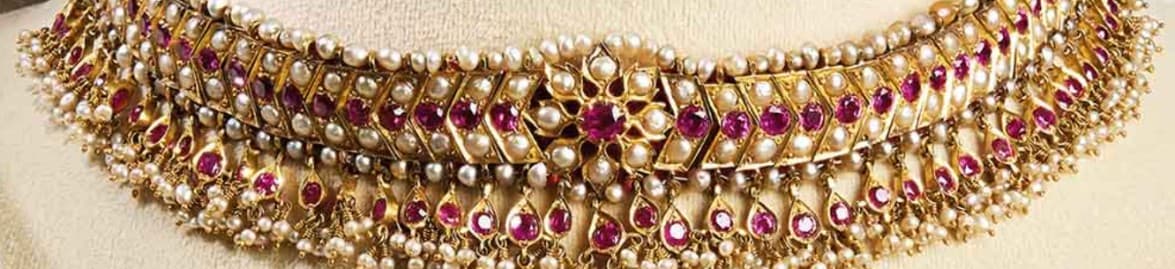
Exploring the Burmese Ruby Guluband: A Comprehensive Guide
Sakshi Batavia | 8 Dec, 2022
Burmese Ruby Gulubands represent the pinnacle of Indian royal jewelry, merging Myanmar's famed "pigeon's blood" rubies with the elegant guluband choker design. These opulent necklaces feature vivid crimson rubies from Mogok Valley, set in gold kundan settings with enamel work and dangling pearl or emerald fringes, embodying centuries of craftsmanship.
What is a Burmese Ruby Guluband?
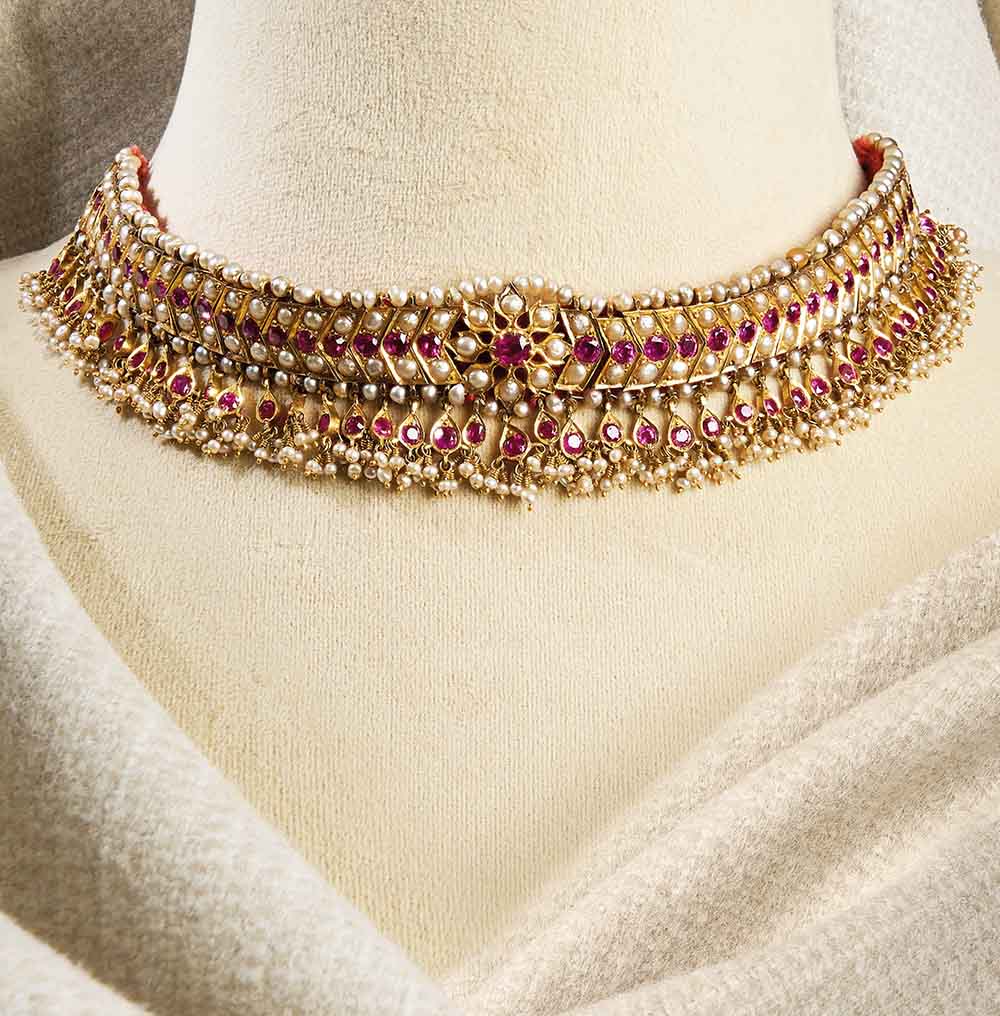 The guluband takes its name from Persian roots: "gulu" meaning throat and "band" meaning fastened or tied. True to its etymology, this style of necklace sits high on the neck, encircling the throat in a manner similar to a modern choker. Unlike longer necklaces that cascade down the chest, the guluband creates an intimate relationship with the wearer's neck and face, drawing attention upward and framing the visage with radiant color and sparkle. When set with Burmese rubies, the piece becomes a spectacular fusion of classic form and one of the world’s most coveted gemstones.
In this context:
•> Burmese Ruby refers to rubies sourced primarily from the historic Mogok Valley and other regions of Myanmar, known for producing stones of exceptional color and quality.
•> Guluband denotes the shape and style of the jewel, a statement band rather than a ring or necklace.
Together, they create a jewel that is visually striking and rich with historical and cultural connotations.
History & Significance of Burmese Rubies
Burmese rubies, sourced primarily from Myanmar, are among the most sought after gemstones in the world. They are admired for their intense red color, often described as “pigeon’s blood red” which combines deep saturation with a subtle inner glow.
These rubies are prized not only for their beauty but also for their rarity. High quality stones, especially those with minimal treatment, are increasingly scarce, adding to their value and desirability.
The Allure of the Burmese Ruby
The rubies that grace a genuine Burmese Ruby Guluband are prized for several reasons.
1. Legendary Color - The most desirable Burmese rubies display what gem traders call pigeon’s blood red, a deep, vivid red with a slight bluish undertone that seems to glow from within.
This hue is not simply about pigment, but about fluorescence and saturation that interact with light to create a fiery, luminous effect.
2. Geological Rarity - Rubies occur when chromium traces are present in corundum, a mineral also responsible for sapphires. In Burma’s marble rich geology, especially in and around Mogok, these conditions produced some of the finest rubies ever found.
Unlike many other ruby producing regions, Burmese rubies often exhibit a unique combination of clarity, color, and inner glow that makes them significantly more valuable.
3. Historical and Cultural Prestige - These rubies have adorned royal treasures across Asia and Europe for centuries. In ancient beliefs, rubies symbolized protection, passion, and prosperity, and were worn by warriors and monarchs alike.
Today, Burmese rubies remain a symbol of power, luxury, and refined taste, qualities that elevate any piece of jewelry they grace.
Design and Craftsmanship of the Guluband
A Burmese Ruby Guluband typically combines meticulous metalwork with gemstone setting techniques.
Metal Framework
•> Often crafted in gold (yellow or rose) or platinum, the guluband’s metal serves as a canvas for the rubies.
•> Traditional designs may include engraved motifs, filigree, or enamel work, adding cultural depth.
Ruby Setting Styles
•> Prong settings allow maximum light to enter each ruby, enhancing brilliance.
•> Bezel settings protect the gemstones while offering a sleek, regal look.
•> Mixed layouts, where rubies alternate with diamonds or other gems, are also popular for added contrast.
The large circumference and flat surface of a guluband allow for dramatic displays of ruby carat weight, sometimes totaling tens of carats in high end examples.
Symbolism and Significance
A Burmese Ruby Guluband carries layered meanings.
•> In South Asian cultures, bangles often signify marriage, prosperity, and feminine grace.
•> Rubies, historically considered the king of gemstones, symbolize passion, courage, and protection.
Together, they represent a union of personal strength and timeless beauty, making such a piece fitting for weddings, anniversaries, or heirloom status.
Market Considerations
Because of their rarity and historical prestige, high quality Burmese rubies are often seen as collector’s items and can command prices far above other gemstones.
When evaluating a Burmese Ruby Guluband:
•> Look for origin certification confirming the ruby’s provenance, such as Mogok or Mong Hsu.
•> Consider clarity and treatment history, as untreated stones are more valuable.
•> Factor in craftsmanship and metal purity, which significantly affect value.
Caring for Your Ruby Guluband
Rubies are durable, scoring 9 on the Mohs hardness scale, but they still require thoughtful care.
•> Clean gently with mild soap and warm water.
•> Avoid harsh chemicals and abrasive cleaners.
•> Store separately to prevent scratching other jewelry.
Routine professional inspections help ensure secure settings and lasting beauty.
Conclusion
The Burmese Ruby Guluband is much more than a beautiful ornament. It is a narrative piece rich in geological wonder, steeped in history, and designed to dazzle across generations. Whether appreciated as a cultural artifact, a fashion statement, or an investment in enduring elegance, this jewel encapsulates the fiery heart of one of the world’s most treasured gems.

The Five Most Expensive Jacob & Co Watches
22 Oct, 2021
Our Specialist's Picks From The Upcoming Heirloom Jewellery, Silver And Timepieces.
17 May, 2021
The Exceptionals Highlights from AstaGuru’s upcoming Jewellery, Silver, Timepieces Auction
20 Oct, 2023
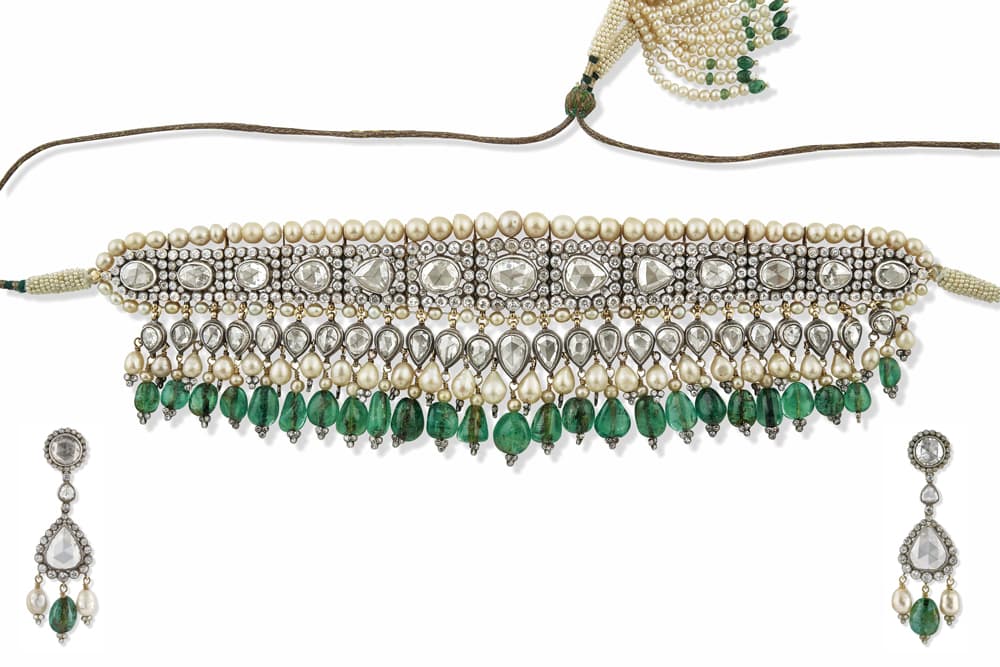
How To Take Care Of Your Vintage & Antique Jewellery
25 May, 2022
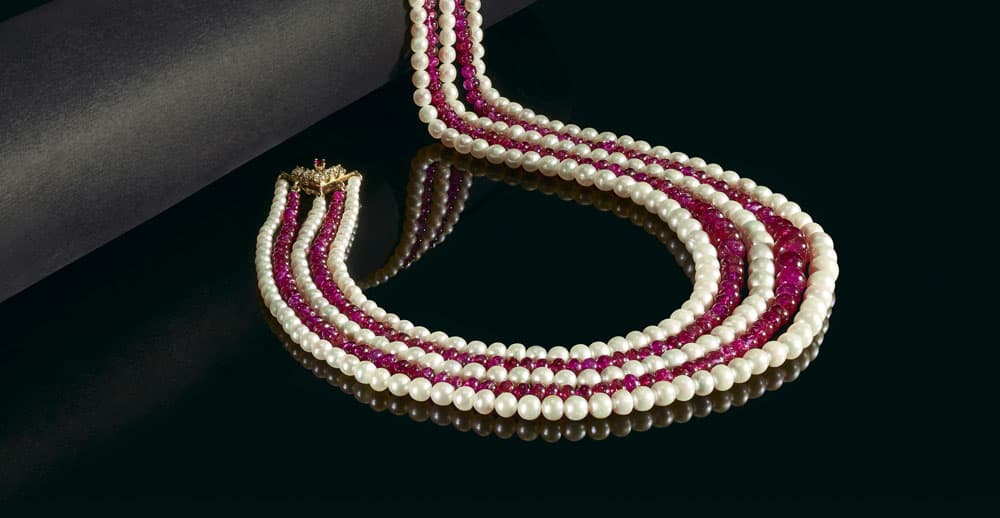
Five Beautiful Vintage Necklaces For Your Heirloom Jewellery Collection
26 May, 2022
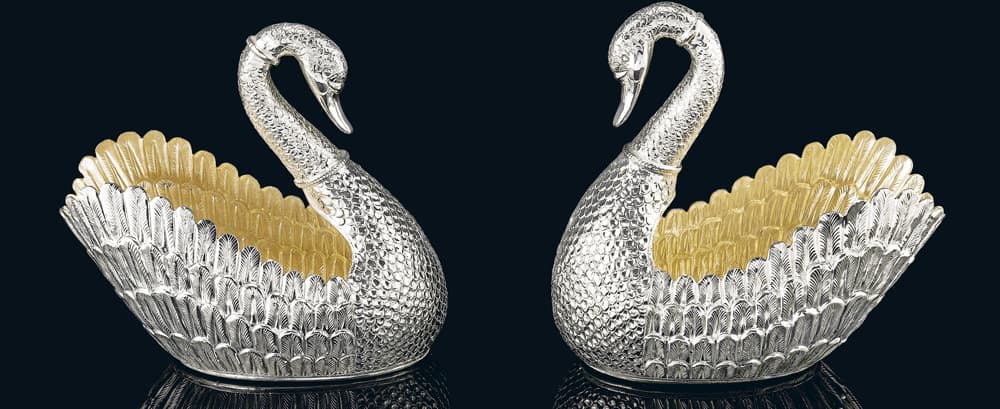
Revel In Royalty: The Extraordinary Opulence Of Vintage Silver
14 Oct, 2022
Revisiting The Art Deco Era Through Jewellery
14 Oct, 2022
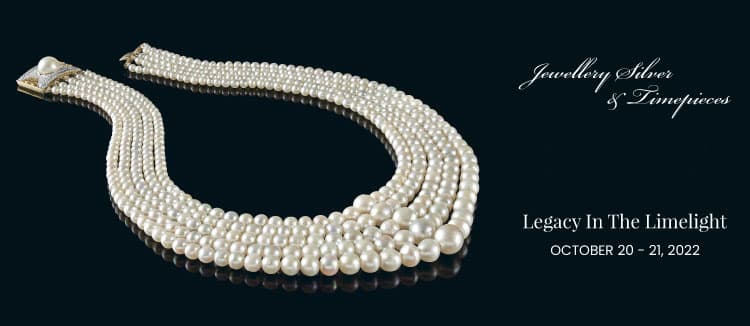
Celebrating the Figural in Jewelry Design
20 Oct, 2022
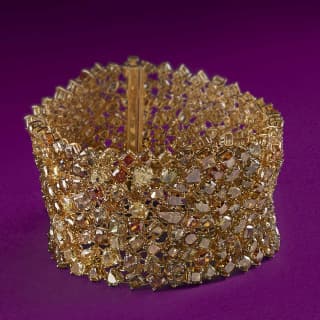
From Classic to Contemporary: Highlights From The Upcoming Jewellery Auction
17 May, 2023
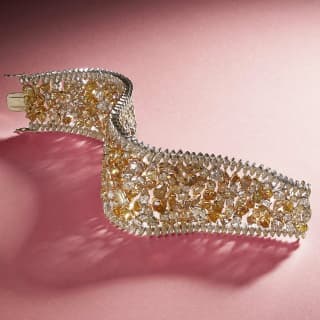
Enduring Ornaments : Celebrating Diverse & Bold Bracelets Through Time
17 May, 2023
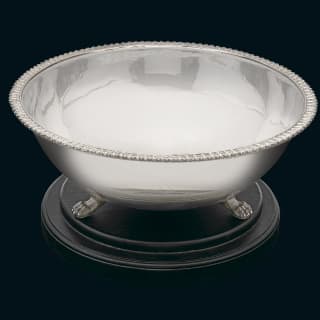
Spectacular Silver: Ornate Vintage Silverware From Bygone Eras
17 May, 2023
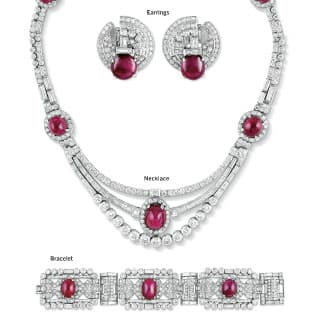
Jewellery Highlights From AstaGuru’s Upcoming Jewellery, Silver and Timepieces Auction
7 May, 2024
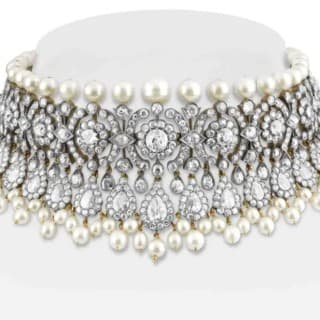
Types Of Indian Antique Jewellery & Their Historical Significance
9 Mar, 2021
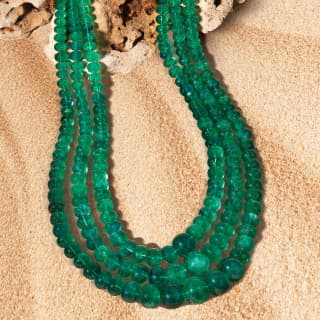
The Exceptionals: Highlights From AstaGuru’s Upcoming Jewellery, Silver and Timepieces Auction
16 Oct, 2024

The Exceptionals: Top 5 Stunning Natural Pearl Jewellery From Our Upcoming Auction
16 Oct, 2024
.jpg&w=1200&q=75)
The Art of Stone Cuts - Exploring Five Timeless Styles
19 Dec, 2024
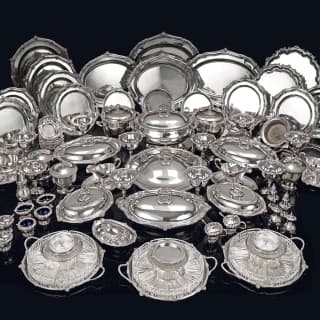
The Role of Silverware in Historical Banquets and Royal Ceremonies
27 Jan, 2025
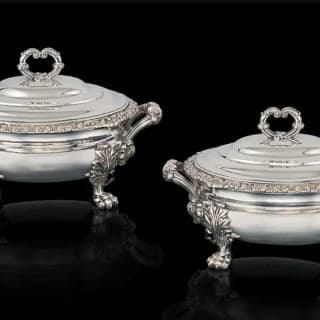
Victorian Tureens: History, Use & Care Tips
12 Feb, 2026
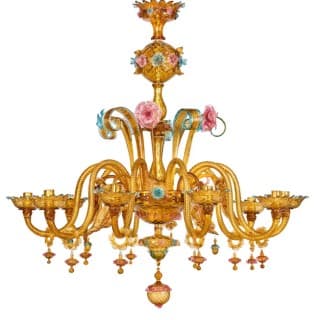
Introduction: What Is A Murano Glass Chandelier?
21 Feb, 2026
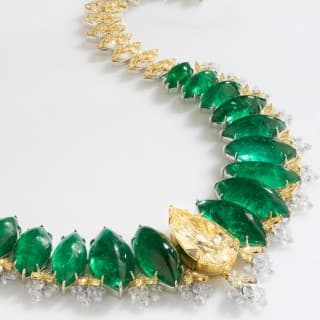
Jewellery Top Lots by Value
7 May, 2025
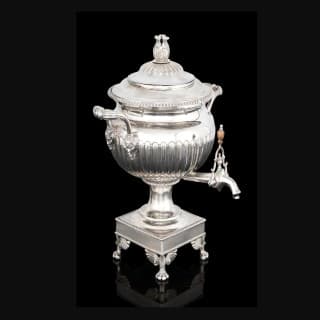
What Is A Samovar? Unveiling Their History, Styles & More
10 Dec, 2022
10 Era-Specific Fascinating Facts About Antique Jewellery
1 Mar, 2021
.jpg&w=1200&q=75)
The Complete Handbook on Chandbali Earrings: A Comprehensive Guide
12 Dec, 2022
5 Key Features That Help You Identify True Victorian Silverware
11 Jul, 2025
The Fascinating 400-Year History of Sarpech
9 Dec, 2022
French Candelabra: History, Significance & What Makes Them So Unique
11 Dec, 2022

KNOW MORE
Buy
Sell
Request an Estimate
FAQs
Seller Terms
Store Terms
SERVICES
Client Advisory
Restoration
DOWNLOAD THE APP


Copyright 2026 AstaGuru. All Rights Reserved


