


famous alumni of jj school of art who changed the art scene
.jpg&w=3840&q=75)
10 Indian Artists Who Are Glorious Alumni Of J J School of Art
The Sir Jamsetjee Jeejeebhoy School of Art, commonly known as the J. J. School of Art, stands as a cornerstone of Indian art education. It is one of the oldest and most prestigious art institutions in Mumbai, India, established in 1857 with a generous donation of Rs 100,000 from Sir Jamsetjee Jeejeebhoy, a Parsi philanthropist. Since its founding in 1857, generations of painters, sculptors and visionaries have passed through its colonnaded corridors. Before we spotlight the artists who changed the game, let’s quickly set the stage with the history and academic roots of the J.J. School of Art.
Founding and Patronage
• Established: 1857, in Mumbai, Maharashtra (then Bombay).
• Founder: Founded through a generous donation from Sir Jamsetjee Jeejebhoy, a prominent Parsi philanthropist and merchant.
• Colonial Context: Created under British colonial rule to promote European-style academic art in India. Originally attached to the Elphinstone Institute.
Academic and Artistic Influence
• One of the first institutes in India to formally teach drawing, painting, sculpture, and architecture.
• Initially focused on European academic realism—anatomy, still-life, and perspective—before evolving to embrace Indian traditions and modernism.
• Played a critical role in forming a hybrid art identity that merged Indian aesthetics with Western techniques.
Bengal School and Nationalist Movements
• The school was at the center of a major ideological shift during the rise of Indian nationalism.
• Pioneered by E.B. Havell and later Abanindranath Tagore, it helped reject Western naturalism in favor of Indian spiritual and mythological themes.
• While the Bengal School rose in the east, J.J. School cultivated a parallel narrative with artists exploring Indo-European synthesis.
Architectural Splendor
• The main building was designed in the Indo-Saracenic style by George Wittet, who also designed the Gateway of India.
• Rich architectural details, vaulted ceilings, arcades, and stained glass windows are part of the heritage site.
• Houses beautiful studios, galleries, and antique plaster casts.
Influence on Indian Modernism
• Became the incubator of Indian modernism in the 20th century.
• Artists from the school engaged with European modern art, Indian folk, and tribal traditions to develop a uniquely Indian modern art vocabulary.
Current Role
• Offers BFA and MFA programs in Painting, Sculpture, Metal Work, Interior Decoration, Textile Design, and Mural Design.
• Affiliated with the University of Mumbai.
• Hosts exhibitions, art camps, and heritage walks.
• Continues to be a major center for contemporary art education in India.
Cultural Impact
• Helped shape the cultural imagination of modern India.
• Played a pivotal role in fostering artistic resistance during colonialism and nurturing national pride.
• Its alumni are globally celebrated and feature in international museums, biennales, and auction houses.
Now that we’ve explored J. J. School of Art's foundation and legacy, let’s now turn our attention to the artists whose journeys began within these very walls. Below, we profile 10 famous J. J. School of Art alumni whose works, ideas and institutions still reverberate across studios, galleries and auction houses today.
1. S.L. Haldankar: Master of Watercolors (1882-1968)
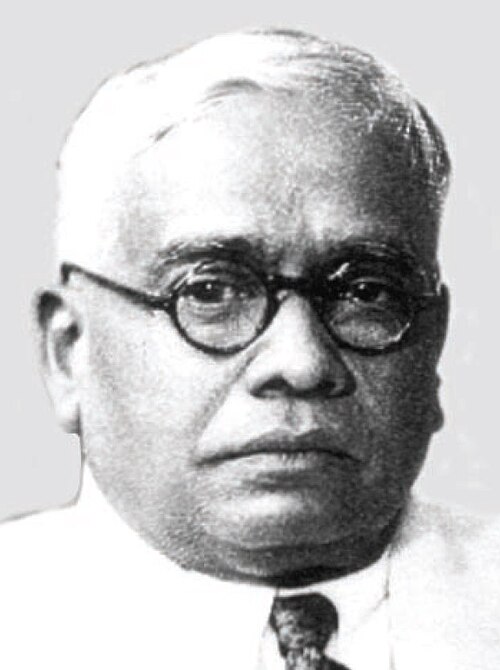 S L Haldankar is celebrated for his technical brilliance in watercolors and oils. Known especially for his luminous portrayal Glow of Hope, Haldankar's meticulous attention to light and texture exemplifies a rare finesse in realist portraiture. His works offered a meditative calmness and dignity, drawing viewers into intimate moments rendered with profound emotional depth. Haldankar's legacy lies in elevating watercolor painting to a highly respected medium in Indian art.
• Training & Style: Studied and later taught at JJ School of Art, under renowned mentors like M.V. Dhurandhar and Cecil Burns.
• Legacy: Celebrated for his skill in watercolours and portraits, Haldankar is perhaps best known for the iconic painting "Glow of Hope" ("Woman With the Lamp"). He founded the Haldankar Fine Arts' Institute and the Art Society of India, proliferating his talent to new generations.
• Recognition: His works are part of prestigious collections such as the Prince of Wales Museum (Mumbai) and the National Gallery of Modern Art. He is even counted among the world's top watercolourists
2. M.V. Dhurandhar: Chronicler of Colonial India (1867-1944)
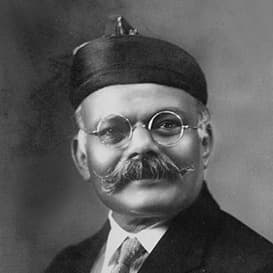 M V Dhurandhar served not only as an artist but also as a principal of the JJ School of Art. His works combine academic rigor with Indian subject matter, depicting mythological and social themes with European-style realism. Dhurandhar helped bridge the traditional with the modern, documenting colonial-era life and contributing significantly to the growth of art pedagogy in India.
• Role: A leading academic painter and the first Indian director of the JJ School of Art.
• Artistic Contribution: Dhurandhar’s realist style bridged Western academicism and Indian sensibilities. His paintings chronicled colonial and early postcolonial Indian life and mythology, influencing the next wave of modern Indian art.
• Impact: As educator and director, he trained and inspired numerous artists who later became prominent figures.
3. F N Souza: Rebel with a Palette (1924-2002)
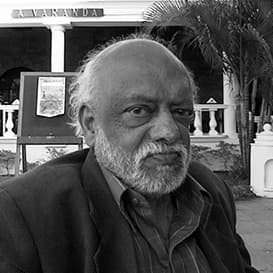 Francis Newton Souza was a founding member of the Progressive Artists’ Group and among the first Indian modernists to gain international acclaim. His bold, expressionistic lines and provocative themes challenged religious, sexual, and political taboos. His work, characterized by raw energy and confrontational imagery, played a crucial role in breaking away from academic realism and setting the stage for contemporary Indian art.
• Pioneer: Founding member of the revolutionary Bombay Progressive Artists’ Group.
• Style: Known for his provocative, aggressive figurative works and themes exploring Catholicism and the human condition.
• Legacy: Expelled from JJ School for his outspoken activism, Souza went on to blaze a trail for modern Indian art internationally, particularly in London, and co-founded India’s most radical art movement since independence
4. S.H. Raza: The Poet of Abstraction (1922-2016)
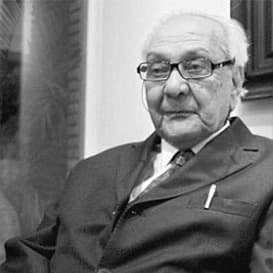 Syed Haider Raza’s journey from figurative landscapes to deeply symbolic abstraction defined his unique visual language. Fusing Indian spiritualism with modernist abstraction, Raza created works based on “bindu” (dot) and other elemental motifs. His iconic canvases resonate with rhythm, geometry, and a spiritual quest, redefining Indian identity within a global art discourse.
• Progressive Visionary: Co-founder of the Progressive Artists’ Group alongside Souza.
• Style: Transitioned from expressionistic landscapes to abstract works rooted in Indian philosophy and symbolism, notably the "Bindu" motif.
• Achievements: Widely exhibited and acclaimed in India and France, Raza was decorated with the Padma Bhushan and Padma Vibhushan, and played a crucial role in creating a modern Indian art identity
5. Akbar Padamsee: The Philosophical Modernist (1928-2020)
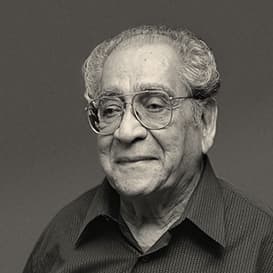 Akbar Padamsee was a thinker and experimenter whose art traversed multiple genres; painting, photography, sculpture, and film. His metascapes and mirror images expressed metaphysical ideas and deep explorations of form and color. Padamsee's intellectual rigor and quest for universality helped raise Indian modern art to a more contemplative, philosophical level.
• Modernist Luminary: Graduated from JJ School in 1951 and associated with the Progressive Artists’ Group.
• Artistic Range: Known for versatile work spanning oils, watercolour, photography, and computer graphics. His abstract ‘metascapes’ and meditative heads and figures are especially noteworthy.
• Influence: Awarded the Padma Bhushan, Padamsee helped forge a new Indian modernism in dialogue with Western philosophies
6. Vasudeo S. Gaitonde: The Silent Monk of Abstraction (1924-2001)
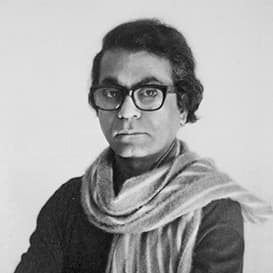 V S Gaitonde’s minimalist, Zen-like approach made him a unique figure in Indian art. Deeply influenced by Zen Buddhism and calligraphy, his paintings are meditative fields of texture and light. Though reclusive and sparse in production, his work left an enormous impact on abstraction in India. Gaitonde treated painting as a spiritual experience, a dialogue between silence and form.
• Abstract Pioneer: Completed his diploma at JJ School in 1948; renowned as one of India's key abstract painters.
• Artistic Vision: Gaitonde’s subtle, non-objective compositions redefined Indian abstraction, blending Eastern spiritual philosophy with Western modernism.
• Awards: Recipient of the Padma Shri, he was a vital figure in advancing the Indian avant-garde
7. K.K. Hebbar: The Humanist Visionary (1911-1996)
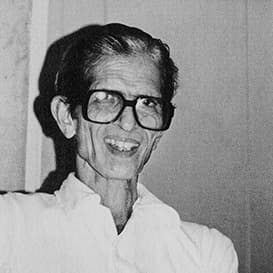 K K Hebbar’s work is infused with empathy and a concern for the human condition. Drawing inspiration from Indian folk art and classical traditions, Hebbar's socially-conscious themes addressed poverty, suffering, and the rhythms of everyday life. As a teacher, he also mentored many younger artists, making him an important torchbearer of humanist modernism in India.
• Noted Modernist: As a JJ School alumnus, Hebbar’s work navigated between tradition and modernity, characterized by expressive lines and a deep engagement with Indian rural life.
• Contribution: He played a vital role in shaping art education and criticism in India, as an educator and writer.
8. Sadanand Bakre: The Sculptor-Painter Pioneer (1920-2007)
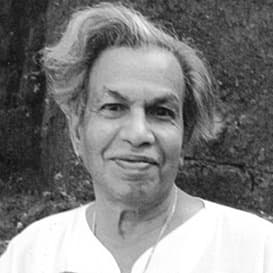 One of India’s first modernist sculptors and a founding member of the Progressive Artists’ Group, Sadanand Bakre later shifted focus to painting. His early sculptures broke away from colonial academic traditions, and his paintings explored abstraction and emotional depth. Though often overlooked, Bakre's pioneering spirit helped lay the foundation for independent India's artistic avant-garde.
• Trailblazer: Among the founding members of the Progressive Artists’ Group, Bakre was both a painter and a sculptor.
• Artistic Shift: Known for early abstract sculpture before turning exclusively to painting, Bakre introduced new visual language and materials to Indian art.
• Impact: He exhibited widely in the UK and India, advancing India’s entry into global modernism.
9. Laxman Laxman Shreshtha: Bridging Cultures through Expression (b. 1939)
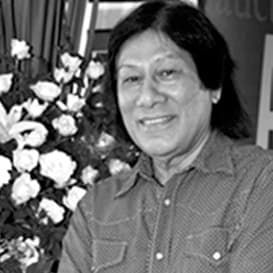 A Nepalese-Indian artist trained at JJ School of Art, Laxman Laxman Shreshtha's canvases are dynamic expressions of inner turmoil and transcendence. Often described as lyrical abstraction, his use of color and form evokes intense emotional responses. His works reflect influences ranging from Tantric art to Western expressionism, situating him as a bridge between cultures and artistic traditions.
• Background: Born in Nepal, trained at JJ School, furthered his studies in Paris and London.
• Artistic Style: His abstract works are marked by meditative use of colour and texture, often reflecting existential and spiritual themes.
• Recognition: Laxman Shreshtha's evocative paintings have been exhibited worldwide, enhancing the global perception of South Asian modernism
10. A.A. Raiba: The Urban Storyteller (b. 1930)
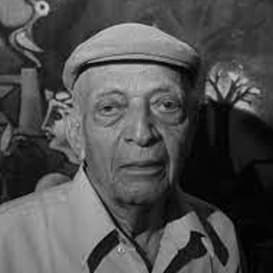 A A Raiba’s distinctive style combined miniature painting techniques with modernist experimentation. His textured canvases often depicted Mumbai’s localities, historical narratives, and religious themes. Raiba's deep understanding of materials from jute to homemade pigments added an earthy authenticity to his works. His art documented the cultural and social fabric of post-independence India from a grassroots perspective.
• Distinct Voice: Graduated from JJ School in 1946; awarded medals by the Bombay Art Society.
• Art Focus: Fused traditional Indian themes, folk sensibilities, and modernist approaches in bold, highly individual works. His landscapes and murals are especially celebrated.
• Legacy: Raiba remains influential for his originality and commitment to Indian narrative content
Collective Impact: Transforming the Indian Art Scene
The alumni of the J.J. School of Art have collectively transformed the Indian art scene by introducing modernist ideas, creating new visual languages, and engaging with the cultural and ideological shifts of their times. The formation of the Progressive Artists' Group by F N Souza, S H Raza, Sadanand Bakre, and others marked a decisive break from colonial and academic traditions, ushering in an era of artistic freedom and experimentation. Artists like Abar Padamsee, V S Gaitonde, and Laxman Shrestha further expanded the boundaries of abstraction and expression, while S L Haldankar and M V Dhurandhar laid the foundations for art education and practice in India. Their works are not only highly valued in the art market but are also present in major museum collections worldwide, reflecting their global significance. The J.J. School of Art remains a vital institution, continuing to nurture talent and foster innovation in the arts.
Legacy and Impact
The extraordinary success of these JJ School alumni fundamentally transformed Indian art in several key ways. They successfully challenged the dominance of the Bengal School's romantic nationalism, introducing more diverse aesthetic approaches and international perspectives. Their work established Indian modern art as a legitimate and important movement within the global art world, moving beyond orientalist stereotypes to create genuinely innovative artistic expressions.
These artists also demonstrated that Indian art could engage with international movements like abstraction, expressionism, and conceptual art while maintaining distinctly Indian sensibilities. Their success paved the way for subsequent generations of Indian artists to pursue international careers while remaining rooted in their cultural contexts. The commercial success achieved by many of these artists, particularly in recent decades, has helped establish a robust market for Indian contemporary art.
Conclusion: A Legacy of Innovation
The JJ School of Art has been a fertile ground for artistic evolution, nurturing minds that not only absorbed tradition but challenged, redefined, and expanded it. The alumni mentioned above charted new territories, each leaving a transformative legacy. Their contributions reshaped the Indian art scene, both at home and on the international stage, cementing JJ School of Art’s reputation as a crucible of modern artistic thought.




