famous tiger paintings & what they teach us about wildlife art
.jpg&w=3840&q=75)
From mysterious jungle scenes to elegant ink scrolls, tigers have prowled across the world’s artistic imagination for centuries. Whether symbols of power, subjects of natural observation, or vehicles for cultural meaning, tiger depictions in painting help us explore not only the animal itself but also how artists perceive wildlife and its place in human life.
1. Tiger in a Tropical Storm (Surprised!) by Henri Rousseau (1891)
One of the most iconic portrayals of a tiger in Western art, Tiger in a Tropical Storm by French painter Henri Rousseau depicts a tiger poised amidst rain and lush foliage. Rousseau, largely self-taught, layered vibrant greens and dramatic lighting to create a dreamlike jungle scene, a place he never visited in real life.
What it teaches us:
This work reveals how imagination and emotional intensity can outweigh factual realism in wildlife art. Rousseau’s tiger is not just an animal. It is a symbol of the untamed and sublime, reminding us that wildlife art can bridge observation and fantasy.
2. Tiger in the Snow by Katsushika Hokusai (1849)
From a completely different artistic tradition, Tiger in the Snow is a hanging scroll by Japanese ukiyo-e master Hokusai. Painted toward the end of his long career, the piece shows a tiger seemingly floating through snowfall, creating a serene yet vivid image that emphasizes movement and spirit.
What it teaches us:
In East Asian art, animals often embody deeper philosophical or symbolic meanings. Hokusai’s tiger conveys playful energy alongside cosmic balance, showing how wildlife art can connect with ideas of spirit, age, and artistic mastery.
3. The Tiger Hunt by Peter Paul Rubens (c. 1615–1616)
Rubens’ dramatic Baroque masterpiece The Tiger Hunt thrusts viewers into a chaotic scene of men and beasts locked in violent confrontation. Painted during the early seventeenth century, it was part of a cycle of hunting scenes commissioned for European royalty.
What it teaches us:
Rubens uses the tiger not simply as wildlife but as a force of nature contrasted with human ambition. Wildlife art here becomes a stage for storytelling, exploring themes of power, danger, and humanity’s desire to dominate the natural world.
4. A Young Tiger Playing with Its Mother by Eugène Delacroix (1830–1831)
Delacroix, a leading Romantic artist, captured tenderness and energy in this scene of a mother tiger and her cub at play. Inspired by real animals observed in zoos, Delacroix focused less on strict anatomical accuracy and more on expressive movement and emotion.
What it teaches us:
This painting shows that wildlife art does not need to focus solely on aggression or majesty. It can also portray intimacy, behavior, and emotional connection, encouraging empathy between humans and animals.
Tigers Across Cultures and Eras
Tigers appear in many artistic traditions beyond Europe and Japan. In Korean folk paintings known as hojakdo, tigers are paired with magpies to represent power, humor, and social commentary. In South and Southeast Asia, tigers often symbolize protection, royalty, or spiritual guardianship. Contemporary artists increasingly use tiger imagery to highlight conservation and the threat of extinction.
What it teaches us:
Wildlife art evolves with culture. Tigers have shifted from mythic figures to national symbols and now to ambassadors for conservation, reflecting changing human relationships with nature.
What Tiger Paintings Teach Us About Wildlife Art
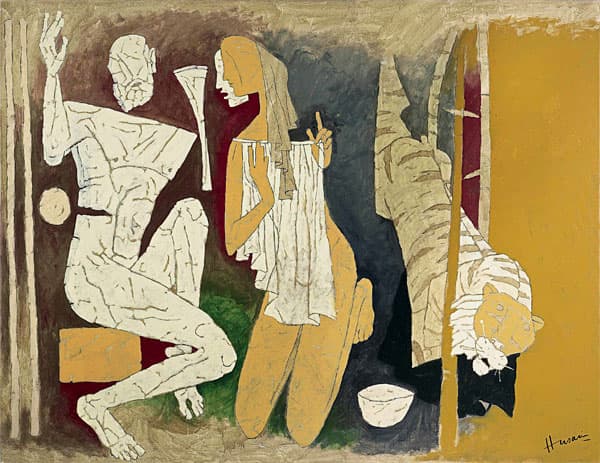 Across centuries and continents, tiger paintings reveal several key lessons about wildlife art.
1. Observation and Interpretation Work Together - Some artists rely on careful study of animals, while others use imagination and symbolism. Wildlife art exists between realism and personal expression.
2. Character Matters More Than Accuracy Alone - Powerful wildlife art captures personality, mood, or behavior. A believable animal often feels alive because of emotion, not precision.
3. Cultural Meaning Shapes Representation - Tigers carry different meanings across societies, influencing how artists portray them. Understanding culture deepens our appreciation of wildlife art.
4. Art Can Support Conservation - Modern wildlife art increasingly raises awareness about endangered species. Tiger paintings today often serve as visual reminders of responsibility and loss.
Conclusion
Famous tiger paintings do more than depict a majestic animal. They reveal how artists across time and cultures understand nature, power, emotion, and coexistence. From Rousseau’s imagined jungles to Hokusai’s quiet snowfall, these works show that wildlife art is as much about human perception as it is about the animal itself. Through tiger art, we are invited to admire the wild, respect its fragility, and reflect on our place within it.