

Blogs
.jpg&w=3840&q=75)
French Candelabra: History, Significance & What Makes Them So Unique
Sakshi Batavia | 11 Dec, 2022
French Candelabra: Materials, Craftsmanship & Finishes Explained
French candelabra represent the pinnacle of decorative arts, combining functional illumination with exquisite craftsmanship that has defined European elegance for centuries. These magnificent light fixtures have graced the palaces of kings, the salons of aristocrats, and continue to enchant collectors and interior designers today. From the opulent gilded bronze creations of Versailles to delicate porcelain examples adorned with flowers, French candelabra embody a rich artistic heritage that spans multiple eras and styles. This comprehensive guide explores their history, design evolution, materials, styles, and enduring appeal in contemporary interiors.
Understanding French Candelabra
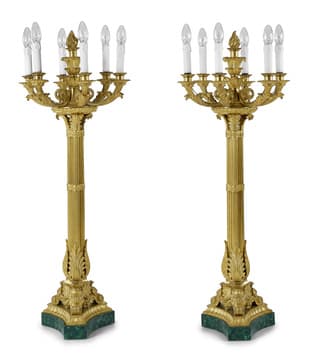 A candelabra is a branched candlestick holder with multiple arms, each supporting a candle. The term derives from the Latin "candelabrum," but it was French artisans who elevated these functional objects into masterpieces of decorative art. Unlike simple candlesticks, candelabra feature multiple branches extending from a central stem or base, creating dramatic sculptural forms that serve as both lighting sources and artistic statements.
French candelabra distinguish themselves through several characteristics. They typically exhibit superior craftsmanship, with attention to proportion, balance, and decorative detail that reflects France's centuries-long leadership in decorative arts. The materials used often include gilt bronze (known as ormolu), marble, porcelain, crystal, and silver, frequently combined in a single piece to create visual richness and textural contrast.
The design vocabulary of French candelabra draws from classical antiquity, incorporating motifs like acanthus leaves, scrollwork, palmettes, and mythological figures. However, French artisans consistently reinterpreted these elements through the lens of prevailing aesthetic movements, resulting in distinctive styles that mark different historical periods.
History
The history of French candelabra mirrors the broader evolution of French decorative arts, with each era leaving its distinctive mark. During the Renaissance, French candelabra began incorporating Italian influences, though they remained relatively restrained compared to later periods. The real flourishing occurred during the reign of Louis XIV in the late 17th century.
The Palace of Versailles became the epicenter of candelabra production and design innovation. Louis XIV's court required thousands of candles for illumination and ceremony, driving demand for increasingly elaborate candelabra. The king's taste for magnificence inspired artisans to create massive gilt bronze pieces featuring complex sculptural elements. The royal manufactories, particularly the Gobelins, produced candelabra that set standards emulated throughout Europe.
Under Louis XV in the early to mid-18th century, the Rococo style transformed candelabra design. The rigid symmetry of the previous era gave way to sinuous, asymmetrical forms inspired by natural elements. Candelabra from this period feature flowing curves, shell motifs, flowers, and playful cherubs. The ormolu work reached new heights of refinement, with craftsmen developing techniques to create rich, lasting gilding on bronze.
The subsequent reign of Louis XVI brought a return to classical restraint, influenced by the archaeological discoveries at Pompeii and Herculaneum. Candelabra became more architectural and geometric, incorporating Greek and Roman motifs like urns, columns, and laurel wreaths. This Neoclassical style emphasized proportion and harmony over the exuberant decoration of the Rococo.
The Empire period under Napoleon I saw candelabra embrace imperial grandeur. Egyptian motifs joined classical elements following Napoleon's Egyptian campaign, with sphinxes, obelisks, and lotus flowers appearing alongside traditional Greco-Roman designs. These pieces projected power and authority, befitting the emperor's ambitions.
Throughout the 19th century, France continued producing exceptional candelabra even as gas and eventually electric lighting reduced their functional necessity. The Restoration, Louis Philippe, and Second Empire periods each contributed distinctive styles, often reviving and reinterpreting earlier aesthetic movements. By the late 19th century, French candelabra had become primarily decorative objects valued for their artistic and historical significance.
Materials and Craftsmanship
The materials used in French candelabra production reflect both technical expertise and aesthetic sensibility. Gilt bronze, or ormolu, stands as perhaps the most quintessentially French material. This technique involves casting bronze, chasing and finishing the surface with extraordinary precision, and applying mercury gilding to create a lustrous gold surface. The finest ormolu work exhibits such detailed finishing that individual tool marks remain visible under magnification, testifying to countless hours of hand work.
Creating ormolu candelabra required collaboration among specialized craftsmen. Sculptors designed the models, fondeurs (founders) cast the bronze, ciseleurs (chasers) refined the surfaces with specialized tools, and doreurs (gilders) applied the gold finish. The mercury gilding process, while producing unsurpassed results, exposed workers to toxic mercury vapors and was eventually banned, making antique ormolu pieces irreplaceable examples of a lost art form.
Marble served as both base material and decorative element in French candelabra. Rare marbles from quarries across Europe and beyond were prized for their color and veining patterns. White Carrara marble provided classical elegance, while colorful varieties like vert de mer, rouge royal, and Egyptian porphyry added drama and luxury. Skilled stone workers shaped these materials to complement the bronze elements, sometimes creating elaborate architectural bases that elevated the candelabra to impressive heights.
Porcelain from the royal Sèvres manufactory appeared in some of the most refined French candelabra. These pieces incorporated hand-painted porcelain elements depicting pastoral scenes, flowers, or classical subjects, mounted in gilt bronze frames. The combination of porcelain's delicacy with bronze's strength created candelabra of extraordinary refinement.
Crystal and glass also featured in French candelabra, particularly during the 19th century. Baccarat and other prestigious manufacturers produced crystal elements that caught and reflected candlelight, creating magical lighting effects. These might take the form of lustres (hanging crystals), crystal columns, or elaborate crystal flowers.
Silver candelabra represented another pinnacle of French metalworking. Royal and aristocratic families commissioned silver pieces from master silversmiths, who created candelabra of stunning complexity. These pieces bore hallmarks indicating their maker, date, and silver purity, providing valuable documentation of their origins.
Iconic Styles and Periods
Each major period in French history produced distinctive candelabra styles that remain recognizable and collectible today. Louis XIV style candelabra embody formal grandeur with their symmetrical designs, heavy proportions, and rich gilding. They often feature architectural elements, including columns, and may incorporate royal symbols like fleurs-de-lis or sun motifs referencing Louis XIV's identification as the Sun King.
Régence style, bridging the Louis XIV and Louis XV eras, shows the beginning of Rococo influences while maintaining some classical restraint. These candelabra exhibit lighter proportions and introduce curvilinear elements, though still organized symmetrically.
Louis XV or Rococo candelabra represent perhaps the most recognizable French style. Their asymmetrical, naturalistic designs feature scrolling branches, floral decorations, and rocaille (rockwork) motifs. The arms flow organically from central stems, creating dynamic compositions that seem to grow rather than being constructed. Cherubs, flowers, and pastoral elements enhance the sense of whimsy and romance.
Louis XVI candelabra return to classical principles with straight lines, geometric forms, and symmetrical arrangements. They incorporate Greek and Roman architectural elements like fluted columns, acanthus leaves, and classical urns. The decoration, while refined and detailed, never overwhelms the clarity of the basic form. Marie Antoinette's taste heavily influenced this period, and some pieces incorporate pastoral and floral elements executed with Neoclassical restraint.
Empire candelabra project imperial authority through bold forms and symbolic decorations. Winged victories, eagles, imperial crowns, and classical warrior figures appear frequently. Egyptian motifs including sphinxes, hieroglyphics, and lotus flowers add exotic interest. The gilt bronze typically appears darker and richer than in earlier periods, emphasizing gravitas over delicacy.
The 19th century brought revival styles, with French makers producing candelabra in earlier styles for a market increasingly interested in historical designs. Renaissance Revival, Neo-Rococo, and Neo-Renaissance pieces appeared alongside original designs, sometimes making attribution challenging. The quality of 19th-century work often matched or even exceeded earlier examples, as industrial advances allowed for more precise casting and finishing.
Identifying Authentic French Candelabra
Distinguishing authentic period French candelabra from later reproductions or pieces from other origins requires knowledge and careful examination. Several factors aid in authentication, though consulting experts remains advisable for valuable pieces.
Quality of casting and finishing provides crucial evidence. Authentic French pieces, particularly from the 18th century, exhibit extraordinary attention to detail in the chasing and finishing. Every surface receives careful attention, including areas that won't normally be visible. The bronze casting should be crisp and detailed, without the blurring or loss of definition that marks later sand casts made from degraded molds.
The gilding on authentic ormolu pieces differs markedly from modern gold plating or paint. Mercury gilding penetrates the bronze surface, creating a warm, slightly matte gold that darkens attractively in recesses. This gilding wears in characteristic patterns, with high points showing bronze underneath while protected areas retain their gold. Modern electro-plating looks brighter, harder, and wears differently.
Patina and wear patterns tell important stories. Genuine age produces oxidation and wear consistent with decades or centuries of handling and cleaning. These patterns should appear logical and natural, with more wear on handles and high points. Be suspicious of uniform wear or deliberately distressed surfaces intended to simulate age.
Construction methods evolved over time, and examining how a candelabra is assembled can reveal its age. Earlier pieces often used different joining techniques than later examples. The weight of bronze pieces can also provide clues, as the density and composition of bronze alloys changed over time.
Marks and signatures offer valuable information when present. Many French bronze workers signed their pieces, either on the base or hidden underneath. These might include founders' marks, makers' stamps, or retailers' labels. However, the absence of marks doesn't necessarily indicate a fake, as many authentic pieces bear no signature.
Proportion and design coherence distinguish quality French pieces from copies. Authentic candelabra exhibit harmonious proportions and thoughtful design that reflects understanding of the style being executed. Copies often get proportions slightly wrong or combine elements from different styles in ways that lack cohesion.
Provenance documentation adds credibility and value. Bills of sale, family histories, photographs showing the piece in historical contexts, or inclusion in auction catalogs all support authenticity claims.
Decorative Elements and Symbolism
French candelabra incorporate rich symbolic vocabularies that reward close examination. Understanding these elements enhances appreciation of the pieces and illuminates the cultural contexts in which they were created.
Classical mythology provides abundant imagery. Female figures might represent virtues, seasons, or muses. Apollo appears frequently, appropriate for a light-bearing object and referencing enlightenment and the arts. Bacchus and vine motifs suggest celebration and abundance. Winged victories convey triumph, while griffins and chimeras add fantastical elements derived from ancient sources.
Natural elements carry both decorative and symbolic weight. Acanthus leaves, borrowed from Corinthian capitals, suggest classical refinement. Flowers might represent specific virtues or simply celebrate natural beauty, with roses suggesting love, lilies indicating purity, and oak leaves connoting strength and endurance. Grape vines reference both Christian symbolism and classical associations with Bacchus.
Architectural elements root candelabra in the built environment. Columns, particularly when using different classical orders, reference architectural theory and humanistic learning. Urns suggest funerary monuments and classical rituals. Obelisks, especially during the Empire period, evoke Egyptian mysticism and Napoleon's campaigns.
Heraldic and royal symbols mark pieces created for specific patrons. Fleurs-de-lis indicate French royal ownership or patronage. Crowns, monograms, and coats of arms personalize pieces while asserting status and lineage. During the Empire, Napoleonic symbols like the eagle and the imperial "N" appear prominently.
Rococo candelabra introduce more playful, less overtly symbolic decorations. Shells, scrollwork called "rocaille," and asymmetrical compositions create movement and visual interest without necessarily conveying specific meanings. The emphasis shifts from symbolic content to aesthetic effect and emotional response.
The very structure of candelabra carries meaning. Multiple branches suggesting trees reference the tree of life and natural abundance. The vertical emphasis, rising from earth (base) through elaborated central zones to the light (candles) at the apex, creates a metaphorical journey from matter to illumination, darkness to light, ignorance to enlightenment.
Collecting French Candelabra
Collecting French candelabra offers rewards for enthusiasts at various levels of expertise and budget. The market encompasses everything from museum-quality 18th-century royal commissions to attractive 19th-century pieces and even quality 20th-century examples in historical styles.
Beginning collectors might start with 19th-century pieces, which offer good quality at more accessible prices than 18th-century examples. The 19th century produced many excellent candelabra in revival styles that capture the aesthetic of earlier periods while being more attainable. Learning to distinguish quality within this category builds knowledge applicable to rarer pieces.
Condition significantly impacts value and desirability. Look for pieces retaining their original gilding in good condition, though some wear is expected and even desirable as evidence of age. Check for repairs, replaced elements, or conversions for electricity, which typically reduce value unless professionally reversed. Missing decorative elements like flowers, finials, or figural components substantially impact value.
Pairs command premium prices over single pieces, often more than double the value of one alone. Sets of four or more become exponentially more valuable, as assembling matched sets proves virtually impossible unless purchased together. Verify that supposed pairs actually match, as similar but not identical pieces are sometimes sold together.
Size matters in both practical and aesthetic terms. Monumental candelabra measuring three feet or taller create impressive displays but present challenges in standard homes. Conversely, small boudoir candelabra of eight to twelve inches offer charm and versatility. The sweet spot for many collectors falls between eighteen and thirty inches, providing visual impact without overwhelming spaces.
Provenance adds both romance and value. Documented history connecting a candelabra to notable collections, historical figures, or important interiors makes pieces more desirable. Inclusion in reference books or exhibition catalogs similarly enhances value and collectibility.
Building relationships with reputable dealers, auction houses, and fellow collectors opens opportunities and provides learning resources. Specialists can explain nuances of periods and makers, alert collectors to available pieces, and offer guidance on condition and pricing. Major auction houses regularly feature French decorative arts sales that include quality candelabra.
Investment potential varies widely. Museum-quality 18th-century pieces from important makers or with royal provenance can command six or even seven figures and generally appreciate over time. More modest examples offer primarily aesthetic rather than financial returns, though quality pieces generally hold value better than decorative reproductions.
Display and Care
Properly displaying French candelabra maximizes their visual impact while preserving their condition. These pieces were designed to be seen and admired, often from multiple angles, so placement matters significantly.
Mantels offer traditional settings that suit candelabra perfectly. A pair flanking a central mirror or painting creates classical symmetry, while a single impressive piece can anchor an asymmetrical arrangement. The mantel's height places candelabra at eye level for seated viewers, allowing appreciation of details.
Console tables, sideboards, and credenzas provide alternative display surfaces. In formal dining rooms, candelabra serve both decorative and practical functions, providing elegant lighting for dinners. Entry halls benefit from the welcoming glow and impressive presence of substantial pieces.
Pedestals allow candelabra to achieve greater prominence, particularly important for smaller examples that might get lost on low furniture. This presentation style suits galleries or large rooms where creating vertical accents helps balance the space.
Lighting considerations extend beyond the candelabra themselves. While functional candles create magical ambiance, practical concerns often favor display without regular burning. Candle wax can damage gilt surfaces and prove difficult to remove from decorative elements. If burning candles, use dripless varieties and protect surfaces underneath. Many collectors prefer battery-operated LED candles that provide glow without risk.
Cleaning requires gentle approaches appropriate to materials. Dust regularly with soft, dry brushes or cloths to prevent buildup in crevices. For gilt bronze, avoid abrasive cleaners or polishes that can damage the gilding. Conservators recommend leaving patina undisturbed rather than attempting to restore brightness, as overcleaning can remove original gilding. For serious cleaning or restoration, consult professional conservators experienced with French decorative arts.
Marble elements benefit from occasional cleaning with mild soap and water, thoroughly dried afterward. Avoid acidic cleaners that can etch marble surfaces. For porcelain components, use gentle cleaning appropriate to fine ceramics.
Environmental conditions affect long-term preservation. Avoid placing candelabra in direct sunlight, which can fade gilding and damage other materials. Maintain stable temperature and humidity to prevent bronze disease or marble degradation. In very dry environments, occasional light application of microcrystalline wax can protect bronze surfaces.
Insurance becomes important for valuable pieces. Document candelabra thoroughly with photographs from multiple angles and any available provenance information. Professional appraisals establish value for insurance purposes and should be updated periodically as market values change.
French Candelabra in Contemporary Interiors
While originating in historical contexts, French candelabra remain remarkably relevant in contemporary interior design. Their versatility allows them to enhance diverse decorating styles, from traditional to transitional to unexpectedly modern settings.
In classical and traditional interiors, French candelabra serve their historical role as elegant appointments that convey sophistication and cultural awareness. They harmonize naturally with period furniture, oriental rugs, and formal drapery treatments. Here, authenticity matters most, with collectors seeking genuine period pieces or the finest quality reproductions.
Transitional spaces blending traditional and contemporary elements benefit from candelabra's ability to bridge stylistic divides. Their sculptural qualities and metallic finishes complement modern materials like glass and steel while maintaining connection to historical craftsmanship. In these settings, candelabra prevent spaces from feeling cold or impersonal, adding layers of visual interest and cultural depth.
Surprisingly, French candelabra can enhance even decidedly modern interiors when used thoughtfully. A pair of Louis XV gilt bronze candelabra might provide the only traditional elements in an otherwise minimalist space, creating dynamic tension between old and new. The juxtaposition highlights both the candelabra's organic sculptural qualities and the clean lines of contemporary furniture.
Interior designers appreciate candelabra's versatility in various rooms. Beyond traditional locations like dining rooms and living rooms, they can add unexpected elegance to bedrooms, libraries, or even sophisticated bathrooms. Their vertical emphasis draws the eye upward, making rooms feel taller and more spacious.
The current design trend toward mixing periods and styles has increased appreciation for quality antique objects like French candelabra. Rather than creating period rooms, contemporary collectors and designers combine pieces from different eras, united by quality, scale, and aesthetic affinity. A Louis XVI candelabra might accompany mid-century modern seating and contemporary art in a collected, personal space that reflects the owner's taste rather than adhering to historical precedent.
Sustainability concerns increasingly favor antiques over newly manufactured decorative objects. Acquiring a 200-year-old candelabra represents ultimate recycling, giving new life to an existing object rather than consuming fresh resources. The superior craftsmanship of historical pieces also means they last indefinitely with proper care, unlike many modern decorative objects.
Market and Values
The market for French candelabra encompasses auction houses, specialized dealers, antique shows, and increasingly, online platforms. Understanding this market helps both collectors and those inheriting pieces make informed decisions.
Auction houses like Sotheby's, Christie's, and regional firms regularly offer French decorative arts including candelabra. Major sales in New York, London, and Paris feature the finest examples, while regional auctions provide opportunities at various price points. Auction results establish market values and provide useful comparables for evaluation.
Specialized dealers offer expertise and carefully vetted inventory. Reputable dealers stand behind authenticity, provide detailed provenance when available, and often offer guarantees. They can source specific pieces and provide ongoing education about the field. The premium over auction prices reflects these services and the assurance of dealing with established experts.
Price ranges vary enormously based on period, size, condition, maker, and provenance. Modest 19th-century pieces might sell for a few hundred to several thousand dollars. Fine 18th-century examples typically range from several thousand to tens of thousands. Museum-quality pieces with royal provenance or by celebrated makers can reach six or seven figures at major auctions.
Several factors drive values within the market. Pairs command premiums over singles. Impressive size and complexity of decoration increase desirability. Documented provenance adds value, particularly connections to notable collections or historical figures. Original, well-preserved gilding matters greatly, as restoration proves expensive and rarely matches original quality. Attribution to known makers enhances value significantly.
Market trends fluctuate with broader economic conditions and collecting fashions. Currently, the market for French decorative arts remains strong among serious collectors and institutions, though less robust than during the peak of the 1980s. This creates opportunities for informed buyers to acquire quality pieces at reasonable prices relative to historical values.
Geographic variations affect pricing, with stronger markets in France, the United Kingdom, and major American cities having established collector bases. Pieces remaining in their countries of origin sometimes command premiums, while those exported may sell for less abroad than at home.
Export regulations affect some sales, particularly in France where cultural property laws restrict export of important historical objects. Buyers should understand these regulations when purchasing abroad.
Reproductions and Modern Interpretations
The enduring appeal of French candelabra has inspired reproduction and reinterpretation from the 19th century through today. Understanding the spectrum from period revivals to contemporary homages helps collectors navigate the market and make appropriate choices for their needs.
Nineteenth-century revivals can be exceptional quality, sometimes rivaling or exceeding original 18th-century pieces in craftsmanship. Makers had access to the same techniques and often similar materials, producing pieces that genuinely captured earlier aesthetics while incorporating subtle 19th-century characteristics. These historical revivals have gained collecting interest in their own right, valued both for quality and as artifacts of 19th-century taste.
Early 20th-century reproductions vary in quality from faithful copies by skilled craftsmen to frankly decorative pieces prioritizing affordability over authenticity. French makers continued producing traditional designs, while American and English firms created interpretations for domestic markets. Quality examples from this era can serve decorative purposes admirably, though they lack the investment potential of period pieces.
Mid-to-late 20th-century reproductions often reflect cost-cutting measures including electroplating instead of mercury gilding, simplified casting, and reduced hand finishing. These pieces serve primarily decorative functions and sell at modest prices. However, a few makers maintained traditional standards, producing quality reproductions distinguishable from originals primarily through technical analysis.
Contemporary artisans and companies continue producing candelabra inspired by French designs. These range from mass-market decorative items to serious artistic interpretations. Some contemporary makers employ traditional techniques including lost-wax casting and hand chasing, creating pieces that honor historical methods while reflecting modern sensibilities.
Identifying reproductions requires examining the factors discussed in the authentication section. Quality of casting and finishing, gilding techniques, wear patterns, construction methods, and overall design coherence all provide clues. Reproductions often get proportions slightly wrong or combine elements from different periods in ways that experts find jarring.
Value judgments about reproductions depend on intended use. For practical decoration, quality reproductions offer French style at accessible prices. They can be used without the concerns attending valuable antiques, making them sensible choices for households with children or active use. However, collectors seeking investment value, historical authenticity, or the pleasure of owning genuine examples of French craftsmanship should focus on period pieces.
Some collectors appreciate reproductions as studies in the history of taste, documenting how each era reinterpreted earlier styles. A 1920s interpretation of Louis XV style tells us about 1920s aesthetics and values as much as about the 18th century, creating legitimate historical interest.
Conclusion
French candelabra represent centuries of artistic achievement, combining function, beauty, and masterful craftsmanship in objects that continue to captivate collectors and designers. From the gilt bronze magnificence of Versailles to intimate boudoir pieces adorned with porcelain flowers, these works embody the French decorative arts tradition at its finest.
Understanding French candelabra enriches appreciation of their artistry and historical significance. The evolution of styles mirrors broader cultural developments, with each period contributing distinctive aesthetic vocabularies. The materials and techniques employed by French artisans achieved technical sophistication rarely matched elsewhere, creating objects that remain unsurpassed in quality.
For collectors, French candelabra offer multiple rewards. They provide tangible connections to history, opportunities to develop connoisseurship, and the pleasure of living with beautiful objects created by master craftsmen. Whether acquiring museum-quality examples or more modest pieces, collectors participate in preserving cultural heritage while enhancing their environments.
In contemporary interiors, French candelabra demonstrate remarkable adaptability, complementing diverse decorating styles while adding layers of visual interest, cultural depth, and sculptural beauty. Their continued relevance testifies to the timeless appeal of exceptional design and craftsmanship.
As both functional objects and works of art, French candelabra illuminate more than physical spaces. They shed light on the values, aesthetics, and achievements of the cultures that created them, offering insights into how beauty, utility, and meaning intertwine in the decorative arts. Whether studied as historical artifacts, collected as investments, or simply appreciated for their elegance, French candelabra remain luminous examples of humanity's capacity to transform functional necessities into objects of enduring beauty.

The Five Most Expensive Jacob & Co Watches
22 Oct, 2021
Our Specialist's Picks From The Upcoming Heirloom Jewellery, Silver And Timepieces.
17 May, 2021
The Exceptionals Highlights from AstaGuru’s upcoming Jewellery, Silver, Timepieces Auction
20 Oct, 2023
How To Take Care Of Your Vintage & Antique Jewellery
25 May, 2022
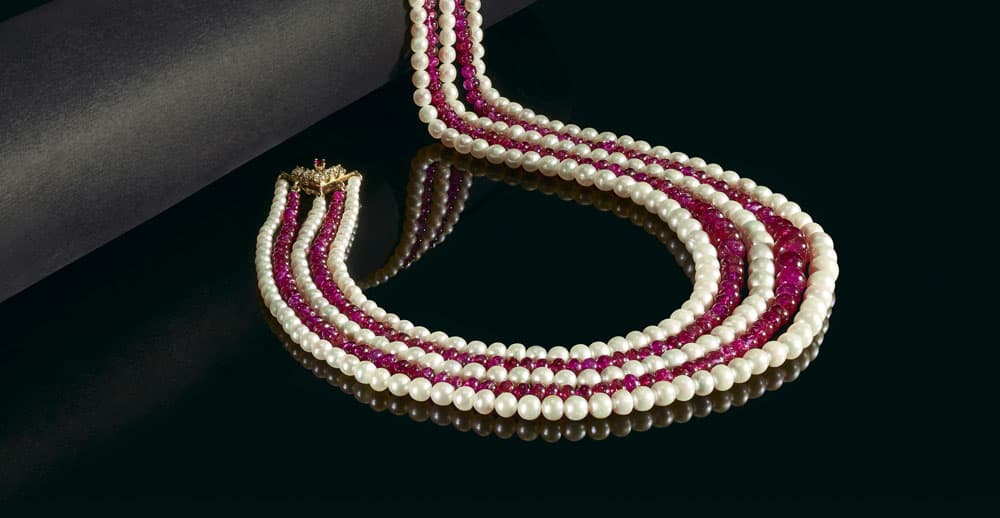
Five Beautiful Vintage Necklaces For Your Heirloom Jewellery Collection
26 May, 2022
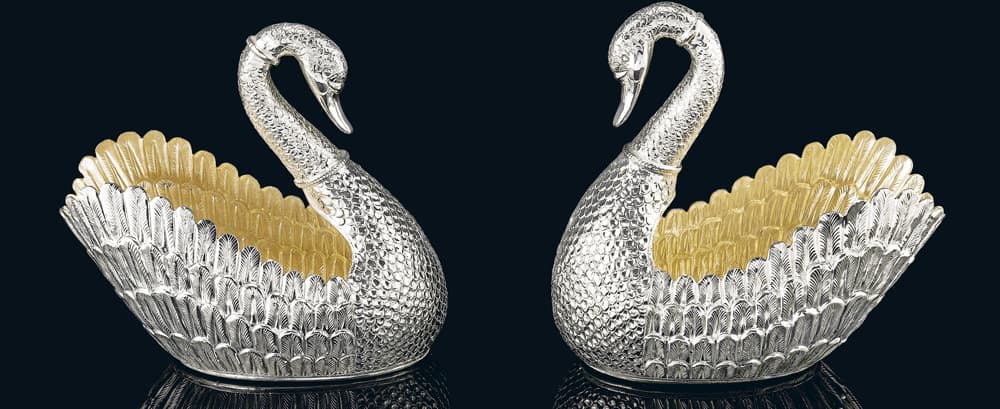
Revel In Royalty: The Extraordinary Opulence Of Vintage Silver
14 Oct, 2022
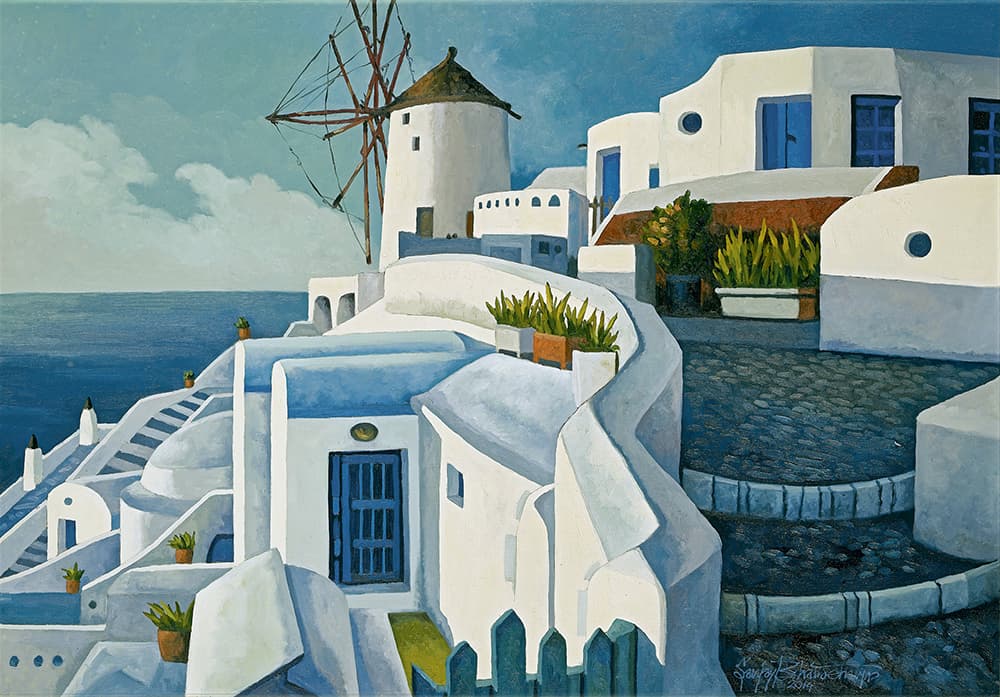
Revisiting The Art Deco Era Through Jewellery
14 Oct, 2022
Celebrating the Figural in Jewelry Design
20 Oct, 2022
From Classic to Contemporary: Highlights From The Upcoming Jewellery Auction
17 May, 2023
Enduring Ornaments : Celebrating Diverse & Bold Bracelets Through Time
17 May, 2023
Spectacular Silver: Ornate Vintage Silverware From Bygone Eras
17 May, 2023
Jewellery Highlights From AstaGuru’s Upcoming Jewellery, Silver and Timepieces Auction
7 May, 2024
Types Of Indian Antique Jewellery & Their Historical Significance
9 Mar, 2021
The Exceptionals: Highlights From AstaGuru’s Upcoming Jewellery, Silver and Timepieces Auction
16 Oct, 2024

The Exceptionals: Top 5 Stunning Natural Pearl Jewellery From Our Upcoming Auction
16 Oct, 2024
.jpg&w=1200&q=75)
The Art of Stone Cuts - Exploring Five Timeless Styles
19 Dec, 2024
The Role of Silverware in Historical Banquets and Royal Ceremonies
27 Jan, 2025
Victorian Tureens: History, Use & Care Tips
12 Feb, 2026
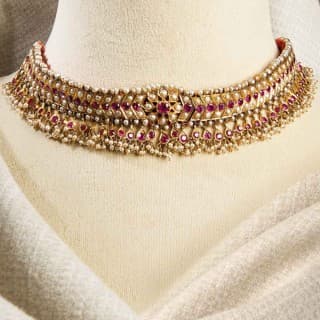
Exploring the Burmese Ruby Guluband: A Comprehensive Guide
8 Dec, 2022
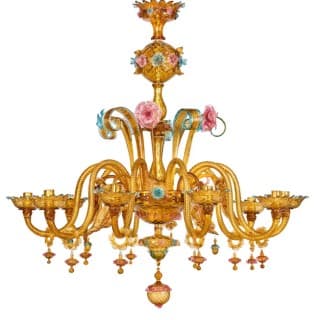
Introduction: What Is A Murano Glass Chandelier?
21 Feb, 2026
Jewellery Top Lots by Value
7 May, 2025
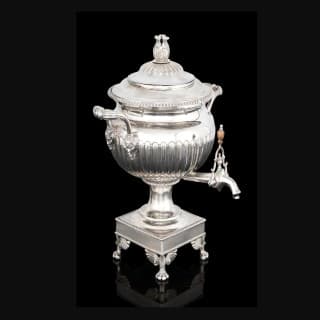
What Is A Samovar? Unveiling Their History, Styles & More
10 Dec, 2022
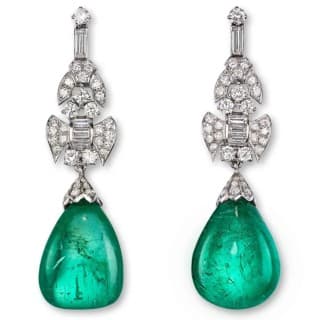
10 Era-Specific Fascinating Facts About Antique Jewellery
1 Mar, 2021
.jpg&w=1200&q=75)
The Complete Handbook on Chandbali Earrings: A Comprehensive Guide
12 Dec, 2022
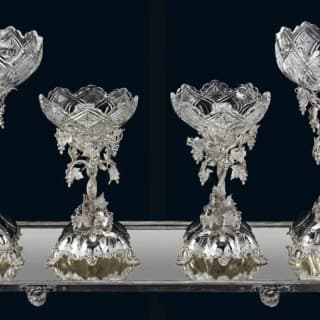
5 Key Features That Help You Identify True Victorian Silverware
11 Jul, 2025
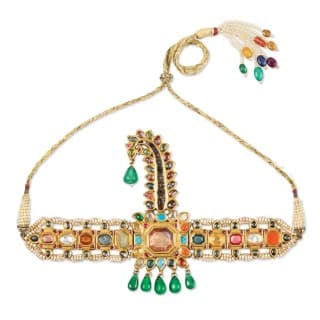
The Fascinating 400-Year History of Sarpech
9 Dec, 2022

KNOW MORE
Buy
Sell
Request an Estimate
FAQs
Seller Terms
Store Terms
SERVICES
Client Advisory
Restoration
DOWNLOAD THE APP


Copyright 2026 AstaGuru. All Rights Reserved


