ganesha paintings: symbolism, styles & spiritual meaning
.jpg&w=3840&q=75)
Lord Ganesha has been one of the most beloved subjects in Indian art for over a millennium. From ancient temple carvings to contemporary canvas paintings, artistic representations of Ganesha have evolved through countless styles while maintaining their profound spiritual significance. Ganesha paintings serve not merely as decorative art but as sacred windows into Hindu philosophy, embodying complex layers of symbolism that speak to devotees and art enthusiasts alike. This article explores the symbolism, artistic styles, and spiritual meanings embedded in Ganesha paintings, both traditional and contemporary.
Symbolism in Ganesha Paintings
Ganesha's iconography is deeply symbolic, with each element representing different aspects of life and spirituality:
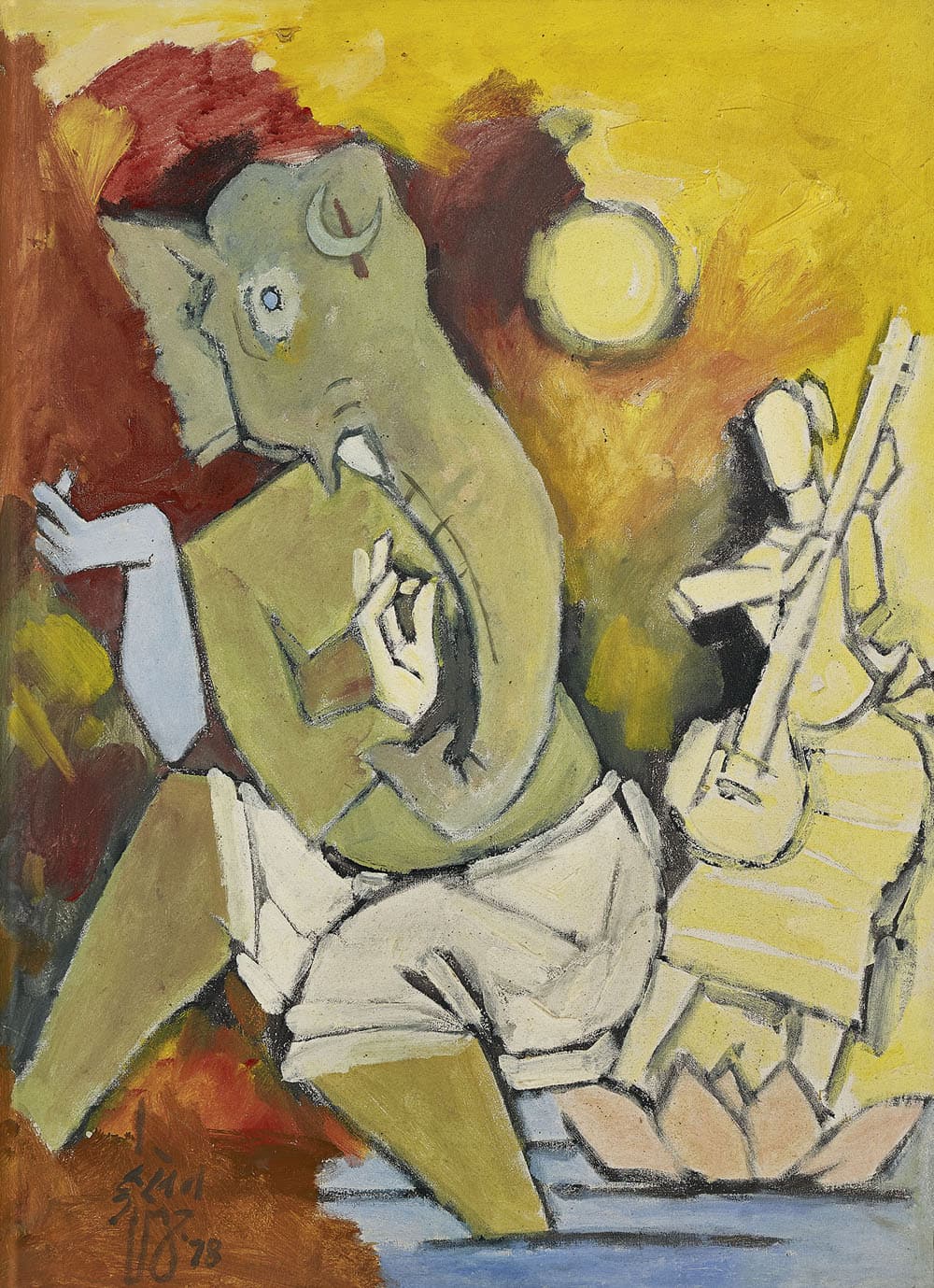 1. Elephant Head: Ganesha's elephant head symbolizes wisdom, strength, and intelligence. It represents the eternal soul (Atman) and boundless intellect. The large ears signify the importance of listening and absorbing knowledge.
2. Large Stomach: His potbelly represents generosity, acceptance, and the ability to digest both positive and negative experiences. It also signifies abundance and prosperity.
3. Broken Tusk: Often depicted with a broken tusk, this symbolizes sacrifice and the importance of using one's inner strength to overcome challenges. One popular legend is that Ganesha broke his own tusk to use it as a writing instrument while dictating the epic Mahabharata.
4. Mouse (Vahana): Ganesha's vehicle, the mouse, represents the ego and desire. By sitting on the mouse, Ganesha signifies control over these aspects of life. The mouse also symbolizes humility and the ability to navigate through small spaces.
5. Lotus Flower: Ganesha is often shown sitting on or holding a lotus flower, which represents purity, enlightenment, and spiritual awakening. The lotus signifies rising above the material world to connect with higher realms.
6. Modak: The sweet modak in Ganesha's hand represents the rewards of devotion and the sweetness of achieving spiritual goals. It symbolizes the joy and fulfillment that come from dedication to righteousness.
7. Noose (Pasha) and Goad (Ankusha): In his other hands, Ganesha may hold a noose and a goad. The noose represents the power to capture and control negative thoughts, while the goad symbolizes the ability to steer one's life in the right direction.
Styles of Ganesha Paintings
Ganesha paintings come in a variety of styles, each offering a unique artistic expression while maintaining the deity's spiritual essence:
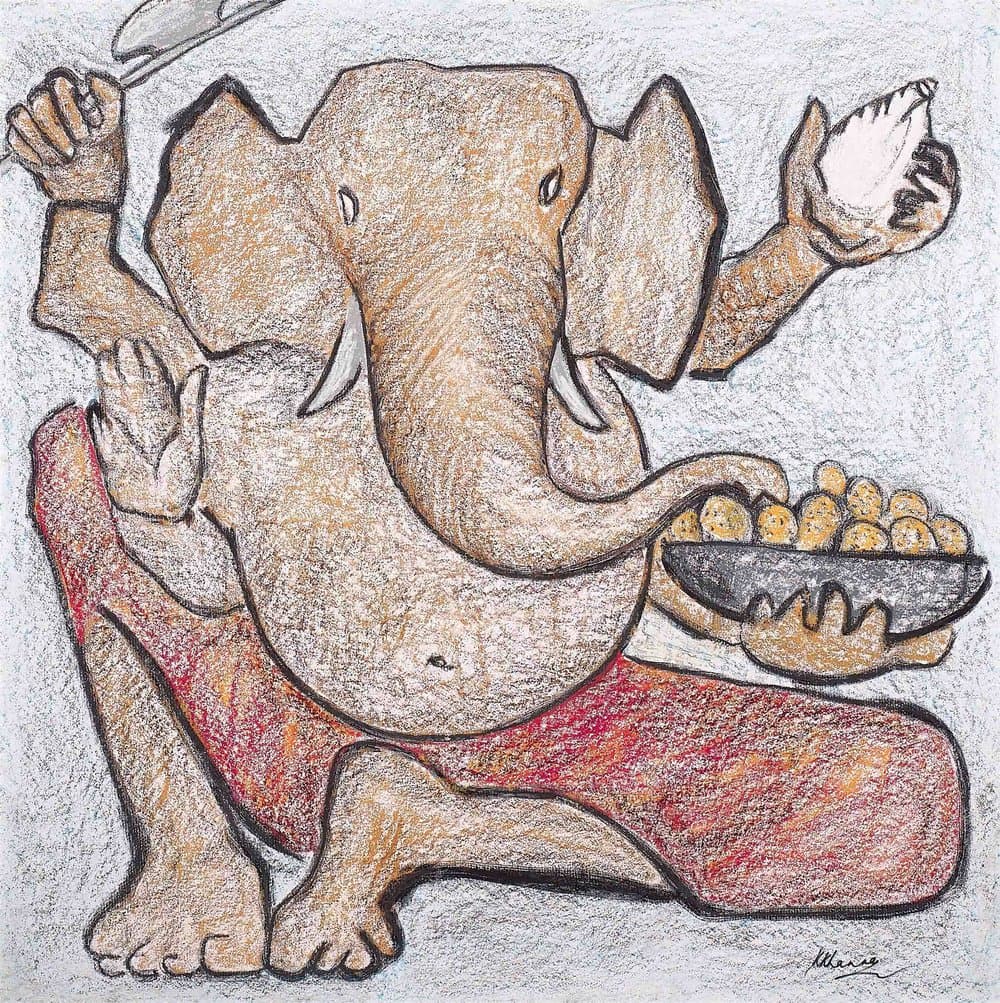 1. Traditional Style: Traditional Ganesha paintings often adhere to classical Indian art forms, such as Tanjore paintings, Madhubani art, and Pattachitra. These styles are characterized by intricate details, vibrant colors, and the use of natural dyes and gold leaf.
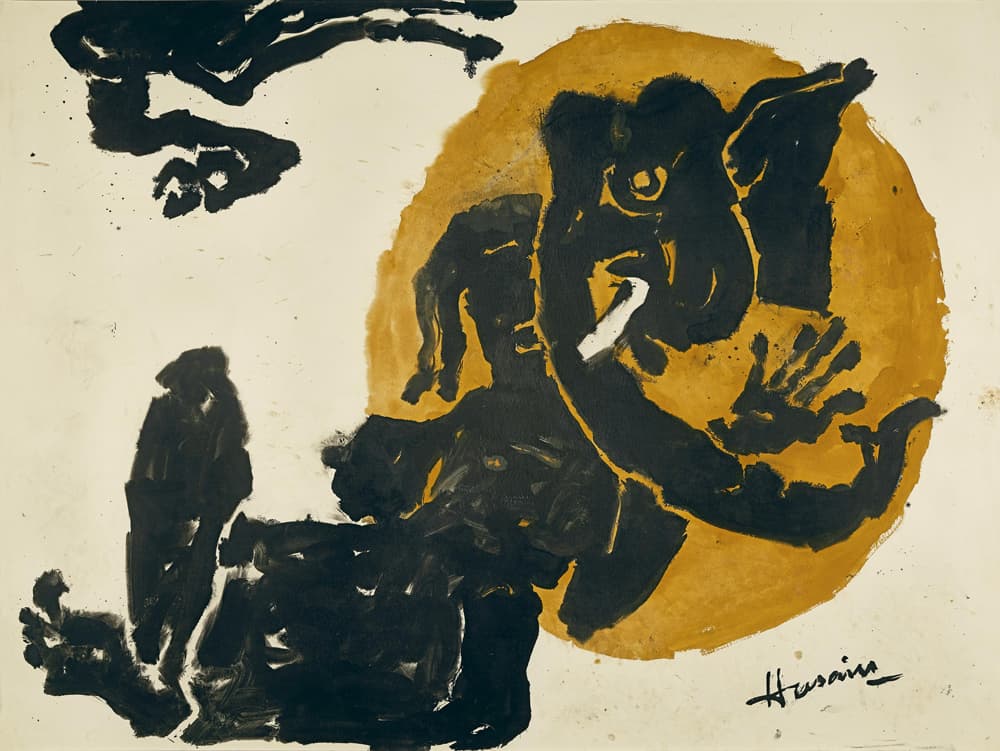
2. Abstract Style: Abstract Ganesha paintings blend modern artistic elements with spiritual symbolism. These works often use vibrant colors and contemporary techniques to convey the essence of Ganesha in a non-traditional manner. Abstract styles emphasize the emotional and spiritual connection to the deity, making them suitable for modern interiors.
3. Pop Art Style: Pop art interpretations of Ganesha bring a contemporary and playful twist to traditional iconography. These paintings often feature bold colors, graphic patterns, and a fusion of cultural elements, making Ganesha's image accessible and appealing to a younger audience.
4. Minimalist Style: Minimalist Ganesha paintings focus on simplicity and the use of clean lines and limited color palettes. These works distill the essence of Ganesha into its most basic forms, highlighting the deity's symbolic attributes without excessive detail.
5. Folk Art: Ganesha is also a popular subject in folk art traditions, such as the vibrant and simplistic depictions by Jamini Roy, inspired by Bengali folk arts. These paintings often emphasize the deity's benevolent and protective qualities.
6. Digital Art: With the rise of technology, digital art has emerged as a popular medium for Ganesha paintings. Artists create vibrant and dynamic representations using graphic design software, allowing for innovative interpretations that reach a global audience.
Spiritual Meaning
 Ganesha paintings are not merely decorative pieces; they hold deep spiritual meaning and are believed to bring blessings and positive energy to the spaces they adorn:
1. Remover of Obstacles: Ganesha is revered as the remover of obstacles, both physical and spiritual. Having a Ganesha painting in one's home or workspace is believed to help overcome challenges and bring success in endeavors.
2. Symbol of Wisdom: As the god of wisdom and intellect, Ganesha's presence in art serves as a reminder of the importance of knowledge and learning. His image inspires devotees to seek wisdom and apply it in their daily lives.
3. Source of Prosperity: Ganesha is also associated with prosperity and good fortune. Paintings of Ganesha are often placed in homes and businesses to attract wealth and abundance.
4. Spiritual Connection: Ganesha paintings serve as a focal point for meditation and prayer, helping devotees connect with the divine. The act of viewing or creating Ganesha art can be a spiritual practice in itself, fostering a sense of peace and devotion.
5. Cultural Heritage: Ganesha paintings are an integral part of India's cultural heritage. They reflect the country's rich artistic traditions and spiritual values, making them a meaningful addition to any art collection.
The Future of Ganesha Painting Traditions
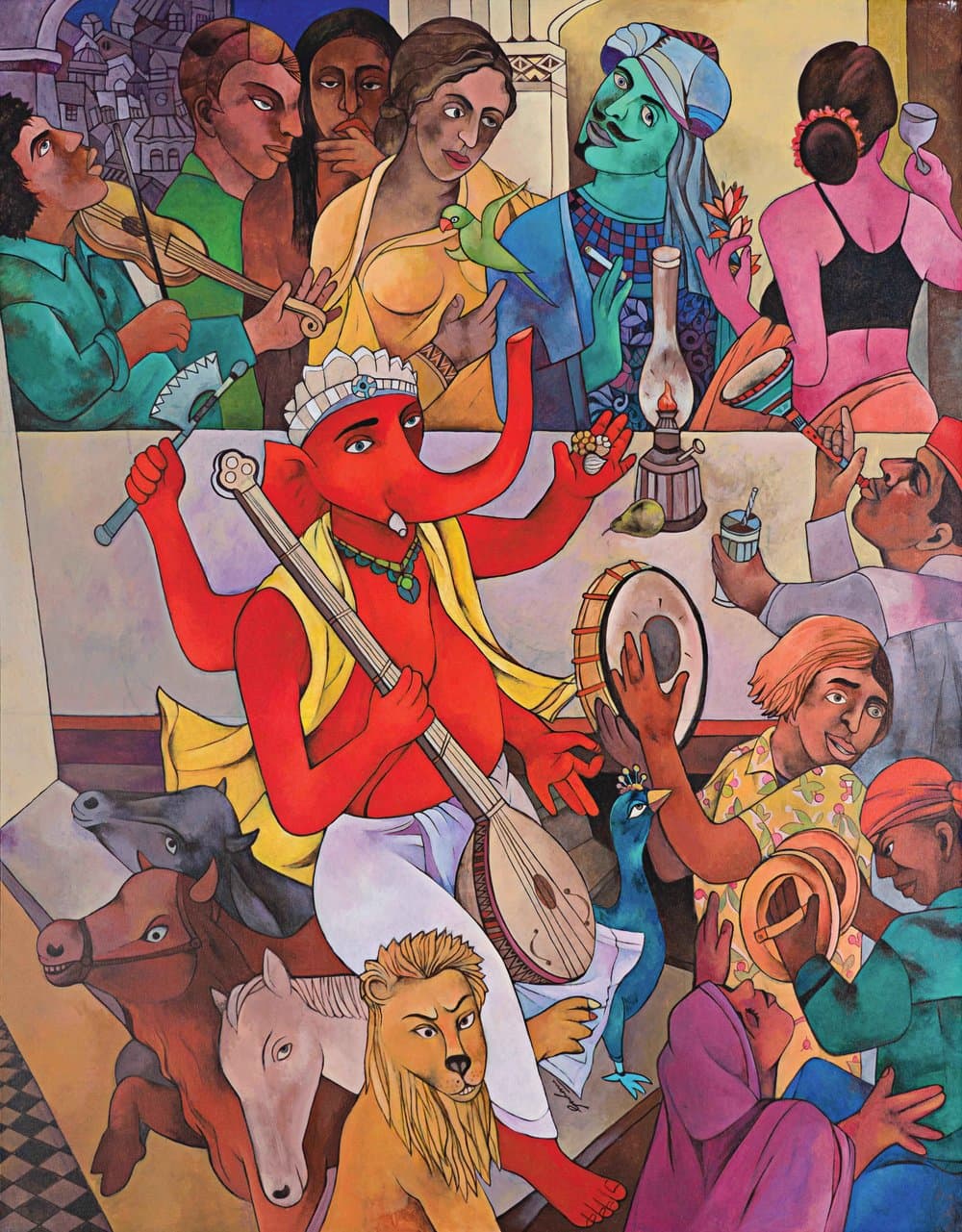 Contemporary artists continue to find new ways to express the timeless appeal and spiritual significance of Ganesha through painting. Environmental themes have emerged as artists explore connections between the deity's wisdom and ecological consciousness. Some works present Ganesha surrounded by threatened wildlife or natural landscapes, suggesting parallels between the removal of obstacles and environmental protection.
Global influences have enriched the tradition as Indian artists living abroad incorporate elements from their adopted cultures while maintaining core iconographic principles. These cross-cultural works often feature architectural backgrounds from different countries or blend Eastern and Western artistic techniques, creating unique fusion styles that speak to contemporary multicultural experiences.
Technology continues to expand possibilities for Ganpati paintings through digital tools, augmented reality, and interactive installations. These innovations allow artists to create immersive experiences that engage multiple senses while preserving the contemplative qualities essential to spiritual art.
The enduring popularity of Ganesha paintings across diverse audiences from traditional devotees to contemporary art collectors suggests that this artistic tradition will continue evolving while maintaining its essential spiritual core. As long as people seek wisdom, face obstacles, and yearn for divine connection, the elephant-headed deity will continue to inspire artists and touch viewers through the transformative power of sacred painting.
Tips for Choosing The Right Ganesha Painting
When selecting a Ganesha painting, consider the following:
• Color Palette: Red and orange symbolize energy and beginnings; white represents peace; gold signifies prosperity.
• Posture and Expression: A meditative Ganesha inspires calm, while a dancing Ganesha evokes joy and creative energy.
• Size and Placement: Larger paintings can serve as focal points, while smaller ones are perfect for altars or meditation spaces.
Conclusion
Ganesha paintings have a deep spiritual significance, acting as conduits for divine energy that go beyond simple aesthetic appeal. Artists have reflected centuries of artistic progress, deep spiritual beliefs, and cultural influences through these Indian paintings. Ganpati paintings continue to uplift, inspire, and foster a connection between humans and the divine, whether seen in homes, festivals or galleries.
Ganesha art is always evolving, yet its spiritual core remains constant. Not only is Ganesha a popular subject for paintings, but he also represents spiritual guidance for everyone who sees him, reminding us of his divine wisdom, the promise of wealth, and the importance of overcoming obstacles.