horses in art – symbolic horse paintings in modern art
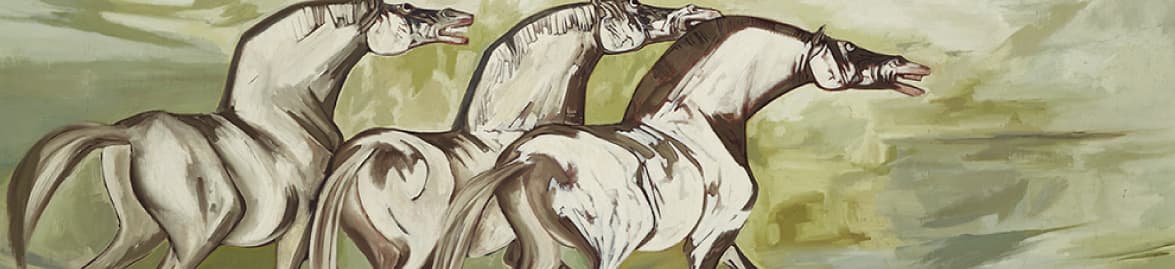
Horses have been depicted in various artforms across different cultures uniquely; for instance in some cultures horses represent spirituality and connection to the earth. In some artworks, horses represent daily life and labour, depicting their role in transportation and farming. In many cultures, horses featured prominently in myths and legends, embodying traits like loyalty and bravery. The meaning of horses in modern art can be traced back to the evolution of horse paintings from classical to modern art.
Horse Art History & Cultural Significance Of Horses In Art
The earliest depictions of horses can be found in the cave paintings of Lascaux, France, and Spain, while the carvings and murals of Horses in ancient Egypt stood out for the royal power and heroic actions of the elite. They would often appear in stories of gods and heroes, enhancing their cultural relevance as seen in the works created during the renaissance, twentieth-century and beyond. Greek artists also commonly depicted horses during the Archaic and Classical Periods as symbols of power, wealth, and glory.
The cultural significance of horses in art serves as a multifaceted symbol, embodying a rich tapestry of meanings that resonate across different cultures and epochs. Their depiction allows for exploration of deeper themes relating to humanity's relationship with nature, power dynamics, and the pursuit of beauty to an extent.
Famous Horse Paintings By Indian Artists
Horses have held a profound significance in modern art throughout history, symbolising various themes such as power, beauty, freedom, and the connection between humanity and nature. Artists have immortalised the spirit of the horse by painting cavalry scenes, emphasising heroism and conquest vital in warfare, representing strength and valour. In many cultures, horses have been associated with nobility and power. Modern artworks also often depict rulers on horseback, showcasing their authority and dominance.
The elegance and beauty of horses have made them popular subjects and this can be seen in the works of famous horse artists from India like M F Husain, Gangendranath Tagore, B Vithal, among others. Shared below are some famous Indian horse paintings:
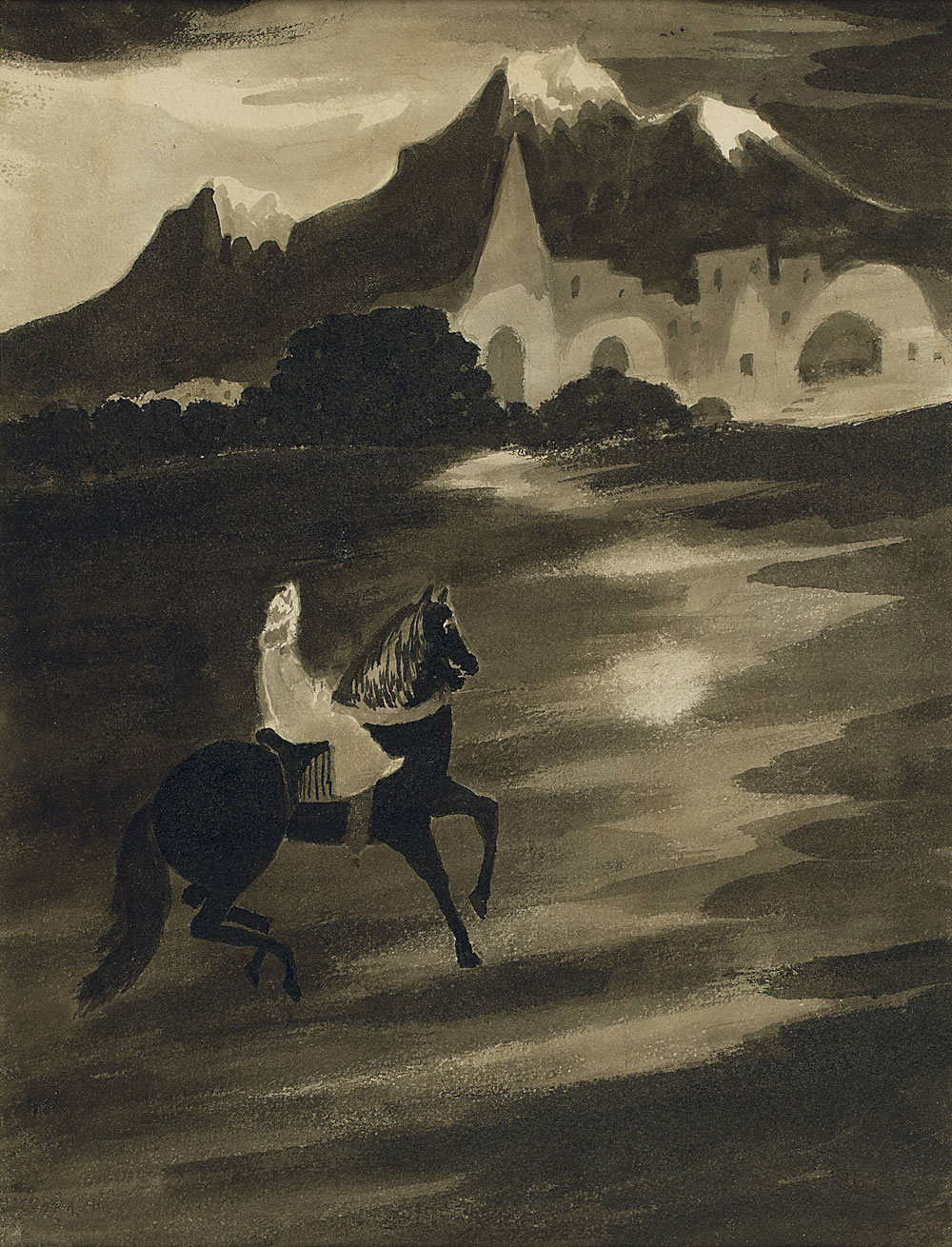
1. Pakshiraaj Ghoda by Gaganendranath Tagore - Equestrian portraits have been a staple in art history, often serving as a way to commemorate significant figures or events. They convey not just the individual's status but also the cultural values of the time. Modern Indian artist Gaganendranath Tagore work titled “Pakshiraaj Ghoda” depicting a traveller on horse reflects the influence of the equestrian portraits of the equine art movement
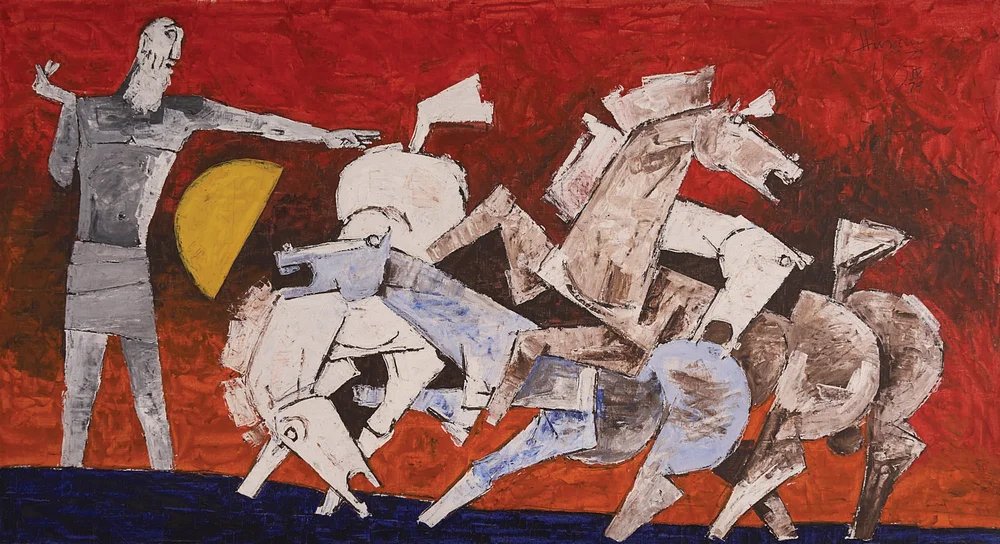
2. Equus by M F Husain- M F Husain, India’s leading modern artist was well-known for painting horses in symbolic style of cubism. This obsession with horses of the artists can be traced back to his childhood days when he witnessed the tazias taken out during the Muharram processions. Horses became a central theme in his growing expansive oeuvre emphasising his intention to depict the grace, power, and freedom of the animal form as reflected in his compositions.
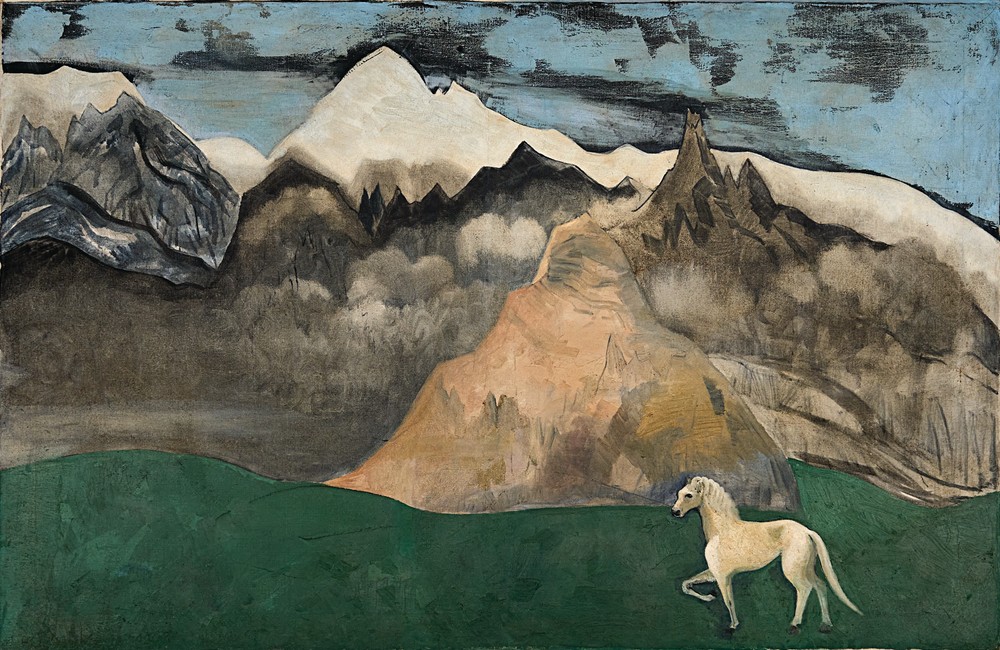
3. Phantom Horse At Sonmarg - This work is a great example of Horses in abstract and symbolic modern art created by B C Sanyal, a central figure in the history of modern Indian art history. Sanyal has captured the beauty of the white horse and nature together, inviting viewers to gallop at the beautiful mountain meadow under the blue sky.
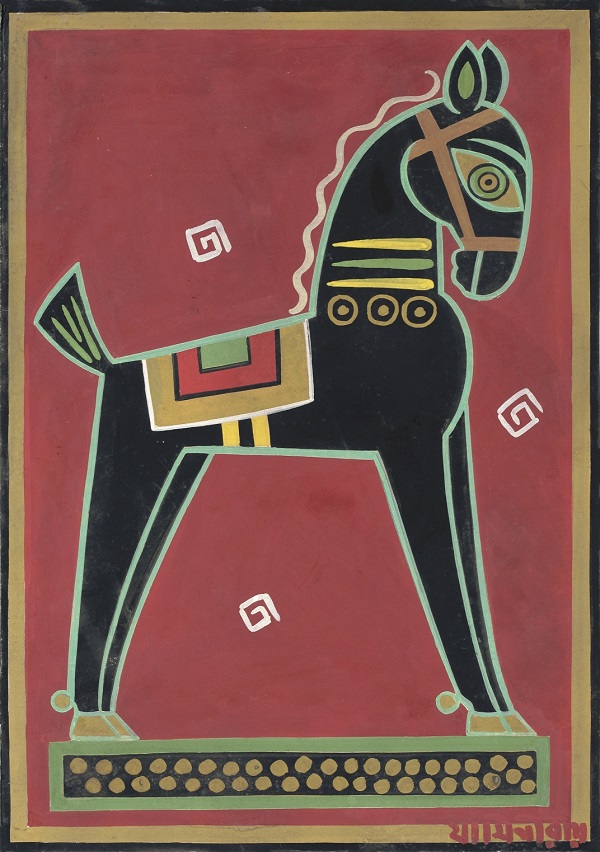
4. Untitled (horse) by Jamini Roy - A widely known work of Jamini Roy, depicts a black horse in a vibrant red background along with other bold colours like green and yellow. This painting by the artist was inspired after viewing a terracotta sculpture at Bankura in West Bengal. Roy has aesthetically captured the essence of the horse in a distinct style and also highlighted the traditional motif of folk art.
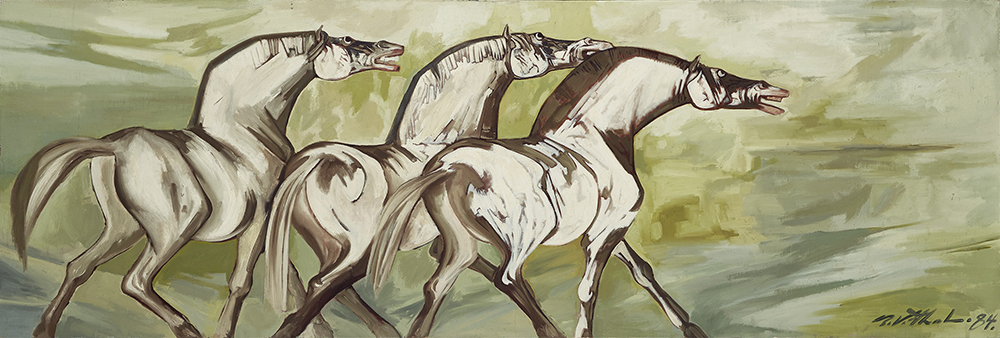
5. Horses by B Vithal - The portrayal of horses in motion reflects an artist's ability to convey dynamism, energy, and vitality. In this oil on canvas work from 1984, modern artist B Vithal has captured the movement as well as the strength and valours of the animal form. The vigorous brushstrokes and utilisation of a neutral colour palette is a fascinating deception of the artist's unique approach.
Famous Depictions of Horses in Indian Art
Horses have held a symbolic and functional significance in Indian art, representing power, nobility, and spiritual energy. Across centuries, various forms of Indian art—including sculptures, miniature paintings, and temple carvings—have depicted horses in ways that reflect the cultural, military, and spiritual importance of these animals. Below are some famous depictions of horses in Indian art:
1. Ashva in Ancient Indian Sculpture and Architecture
Horses are represented in sculptures dating back to the Maurya and Gupta periods. Notable is the Ashvamedha Yajna, a Vedic ritual involving the sacrifice of a consecrated horse. Art from the period depicts the horse as a symbol of sovereignty.
2. Terracotta Horses of Bankura, West Bengal
Bankura Terracotta horses are famous folk art objects from West Bengal, made for ritual purposes. These elongated, stylized horses are often used in religious ceremonies and as decorative items. They represent strength and vitality.
3. Mughal Miniature Paintings
The Mughals (16th–18th centuries) brought Persian influences, and horses became frequent motifs in their miniature paintings. Akbar, a Mughal emperor, was passionate about horses, and several miniatures depict his military campaigns featuring well-bred, richly adorned horses.
4. Rajasthani and Pahari Miniatures
In Rajasthani miniature paintings, horses are depicted as regal animals associated with Rajput rulers. Paintings like the “Maharana Pratap on Chetak” from Mewar highlight the horse as a loyal companion and warrior's mount.
5. Chetak: The Legendary Horse
Chetak, the horse of Maharana Pratap of Mewar, has become an iconic symbol of courage and loyalty in Indian folklore. Artworks and statues commemorating this brave horse can be found across Rajasthan.
6. Horses in South Indian Temple Art
Temple architecture in Tamil Nadu and Karnataka often features horses carved on pillars, symbolizing strength and divine power. In Hoysala architecture, the temples at Belur and Halebidu have detailed friezes that depict cavalry scenes and war horses.
7. Colonial Era and Company School Paintings
During the British colonial period, Indian artists in the Company School style created paintings of horses for British patrons. These artworks were detailed and realistic, focusing on specific breeds and military use.
8. Modern Indian Art & Sculpture
M. F. Husain, one of India’s most renowned modern artists, repeatedly used horses as a motif. His horses were expressive, often depicted with a sense of energy and motion, symbolizing freedom and vitality. Husain’s paintings, such as “The Horse that Looks Back” show abstract yet dynamic forms, reflecting the tension between tradition and modernity. His "7 Horses Paintings", "5 Horses Paintings" feature galloping horses in his signature bold, abstract style are considered one of his most powerful motifs. Husain was fascinated by the dynamic energy of horses and their depiction carries deep symbolic meanings related to vitality, strength and freedom.
These various depictions showcase how horses have been integrated into Indian art over millennia, reflecting changing religious, political, and cultural values while consistently symbolizing strength, nobility, and loyalty.
The Role Of Horses In Modern Artistic Expression
Horses in modern artistic expression served as a powerful medium for exploring complex themes of connection, freedom, and the human condition. Throughout history, this one animal form has been depicted frequently by artists. Their portrayal continues to evolve, reflecting changing societal values and the ongoing dialogue between humans and animals.
The majestic creature inspired modern artists to explore themes of freedom and identity through abstract representations, reflecting contemporary societal issues. They were considered to be a favourite animal motif by artists due to the companionship between humans and animals. Through various forms of art, horses remain a profound source of inspiration and a lens through which we can examine our own experiences and relationships.
Conclusion
Horse paintings have long held a special place in the world of art, celebrated for their grace, power and symbolism. From ancient cave depictions to modern masterpieces, these beautiful horse paintings reflect the deep connection between humans and horses. Original horse paintings, particularly those crafted in oil, capture lifelike textures and dynamic movement, making them timeless pieces of art. Among popular themes, the running horse painting symbolizes energy and success, while the white horse painting is often associated with purity and spiritual freedom. Many collectors also believe in the charm of lucky horses paintings, which are said to bring prosperity and positive energy into spaces.
Beyond their artistic appeal, horse paintings serve as excellent elements of home decor, blending elegance with symbolism. Whether displayed in living rooms, bedrooms or offices, these works add both visual appeal and a sense of inspiration. Today, many of these artworks, including oil horse paintings, are available for sale in galleries and online platforms, with some fetching impressive prices at auctions. The enduring appeal and versatility of horse paintings ensure their popularity not only among seasoned collectors but also those seeking meaningful decor to enrich their surroundings.