how varunika saraf transforms wasli painting into political art
.jpg&w=3840&q=75)
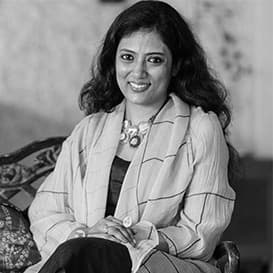
Varunika Saraf is a Hyderabad-based artist who redefines the centuries-old Wasli painting (a traditional Mughal miniature technique) by infusing it with sharp political commentary. Her works, though rooted in delicate brushwork and gold leaf detailing, confront urgent issues gender violence, caste oppression, state power and historical erasure. By marrying meticulous craftsmanship with radical themes, Varunika Saraf challenges the perception of miniature art as merely decorative, transforming it into a medium of visual protest.
What Are Wasli Paintings?
 Wasli paintings are artworks created on wasli, a special type of handmade paper traditionally used for miniature painting in India. Wasli paper was devised in India as early as the 10th century and became especially prominent during the Mughal era. The term "wasli" comes from the Persian word vasl, meaning union or coming together, which reflects the process of making the paper itself.
How Is Wasli Paper Made?
Wasli is produced by gluing together several sheets of handmade paper, which are then burnished—rubbed with a smooth object like glass or a shell—until the surface becomes shiny and smooth. This layered construction gives the paper strength and a fine texture, making it ideal for the detailed brushwork required in miniature painting. The glue used is typically acid-free and made from cooking flour, and the paper is often treated with copper sulphate to protect it from insects.
Wasli: Tradition as a Living Medium
Wasli, a handmade paper technique perfected by Mughal artists, is central to Varunika Saraf’s practice. Unlike its historical use for intimate, jewel-like miniatures, Varunika Saraf adapts wasli to large-scale formats, layering it with hand-ground pigments, embroidery, applique, and block printing. This technical innovation allows her to expand the narrative possibilities of the medium, making it a dynamic surface for contemporary storytelling.
Colour, Layering & Politics of Process
Varunika Saraf’s process is meticulous and symbolic. She grinds her own pigments, including the evocative Caput Mortuum, which she applies in thin washes to the wasli surface. This pigment, with its deep, blood-like hue, seeps through layers of colour, visually echoing how historical traumas and injustices bleed into the present. The resulting surfaces are visually seductive, drawing viewers in before revealing complex, often unsettling details that speak to social malaise, structural violence, and the scars left by hate.
Archival Sources and Collective Memory
A defining feature of Saraf’s art is her use of archival and mythical imagery. Drawing from art history, newspapers, and popular culture, she constructs dense visual narratives that bear witness to overlooked or erased events in South Asian history. Her acclaimed series "We, The People" (2018–2022), for instance, comprises 76 hand-embroidered works that map collective memory, intentionally leaving gaps to acknowledge the inevitable incompleteness of any historical record.
Protest Aesthetics: Art as Witness and Resistance
Varunika Saraf’s wasli paintings are not passive records; they are active interventions. By foregrounding marginalized voices and histories; be it caste discrimination, gendered violence or ecological displacement her work challenges dominant narratives of progress and development. In pieces like "Thieves in the Forest," she uses the forest as a metaphor for contested land and resources, highlighting the violence of so-called development and its impact on indigenous communities.
Her art is imbued with a mournful yet resolute tone, often serving an elegiac function. Each brushstroke, stitch, and pigment wash become an act of resistance, asserting the importance of remembering and reckoning with the past as a means to understand and transform the present.
Key Themes in Varunika Saraf’s Protest Aesthetics
1. Gender & Violence
Works like "She Stands Guard" (2020) depict women warriors amid riot scenes, their saris morphing into protest banners. Saraf often incorporates text from feminist poetry or legal documents, embedding dissent within ornamentation.
2. Caste & Erasure
In "The Missing Pages of History" (2021), Dalit revolts are painted in Mughal miniature style, a deliberate act of reclaiming narratives excluded from dominant archives.
3. State Surveillance
Gold-leaf borders frame scenes of police brutality, mirroring how oppression is often gilded by authority. Her use of Mughal framing critiques modern power structures as continuations of historical control.
Painting Technique
Varunika Saraf’s labor-intensive process each painting takes months mirrors the persistence of marginalized voices:
• Layering: Built like palimpsests, her works reveal hidden narratives beneath surfaces.
• Textual Weaving: Urdu couplets, legal jargon, and protest slogans merge with imagery.
• Material Symbolism: Wasli’s fragility parallels the precariousness of dissent.
Recognition and Impact
Varunika Saraf’s innovative approach has earned her significant recognition, including the Asia Arts Gamechanger Award (2023) and an Honourable Mention from the Sharjah Biennial Prize jury for "We, The People". Her works are held in major public collections and have been exhibited at prestigious venues.
Why Her Work Matters Now
In an era of rising authoritarianism, Varunika Saraf’s art defies categorization neither purely "traditional" nor "activist." By using Wasli, a medium historically tied to power, she hijacks its language to question who controls history.
As she states:
"Miniatures were never just pretty things. They were tools of propaganda. I’m using the same tools to dissent."
Conclusion
Varunika Saraf proves that protest art need not be loud to be radical. Her Wasli paintings whispering in gold and blood demand we look closer, revealing how oppression and resistance are both etched into the fine lines of history.