importance of shiva painting in your home
.jpg&w=3840&q=75)
In Hindu culture and spirituality, Lord Shiva is not only one of the principal deities but also a profound symbol of cosmic energy, balance and inner transformation. Having a Shiva painting in your home is more than just an aesthetic choice—it can be a source of inspiration, spiritual upliftment and positive energy. Whether you’re spiritually inclined or simply admire the artistic and cultural significance of Shiva, his presence in your living space can deeply influence the ambiance and energy of your home. In this article, we will explore how auspicious shiva paintings are, their relevance in contemporary society, the reasons to buy them & the deep symbolism they carry.
1. Symbol of Inner Peace and Meditation - Lord Shiva is often depicted in deep meditation atop Mount Kailash, radiating calm and stillness. A painting of Shiva in this serene state serves as a powerful reminder of mindfulness, focus, and inner peace. For those who meditate or seek mental clarity, such imagery can help create a tranquil environment that encourages reflection and calmness.
2. Bringer of Positive Vibes and Energy - According to Vastu Shastra and Feng Shui, placing a Shiva painting in the right area of your home can attract positive vibrations and ward off negative energies. Shiva as the destroyer of evil is believed to cleanse spaces of unwanted energies and bring about protection, purity, and peace.
3. Representation of Balance and Duality - Shiva is a complex deity representing both destruction and creation, asceticism and family life, stillness and cosmic dance (Nataraja). These dualities reflect the balance required in everyday life. A painting of Shiva can act as a visual metaphor for finding harmony in chaos, a perfect addition to a space meant for contemplation, study, or decision-making.
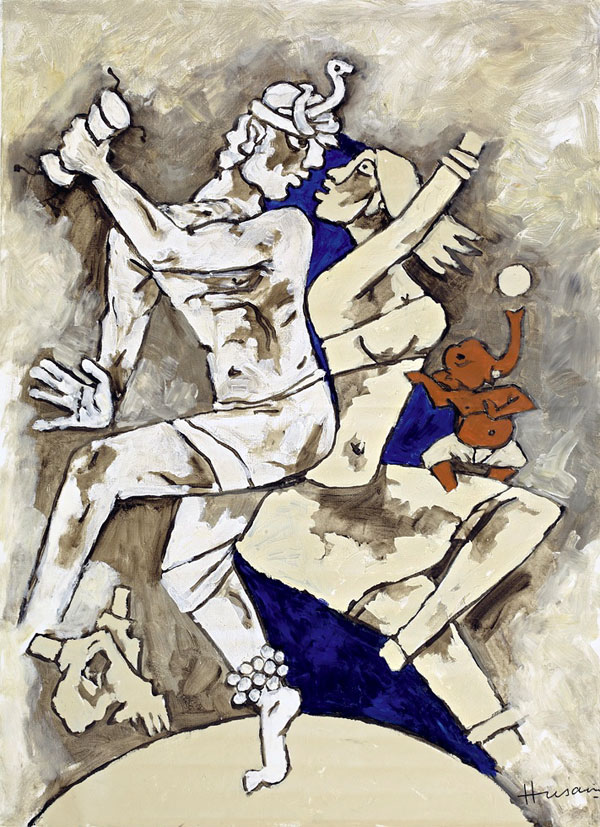
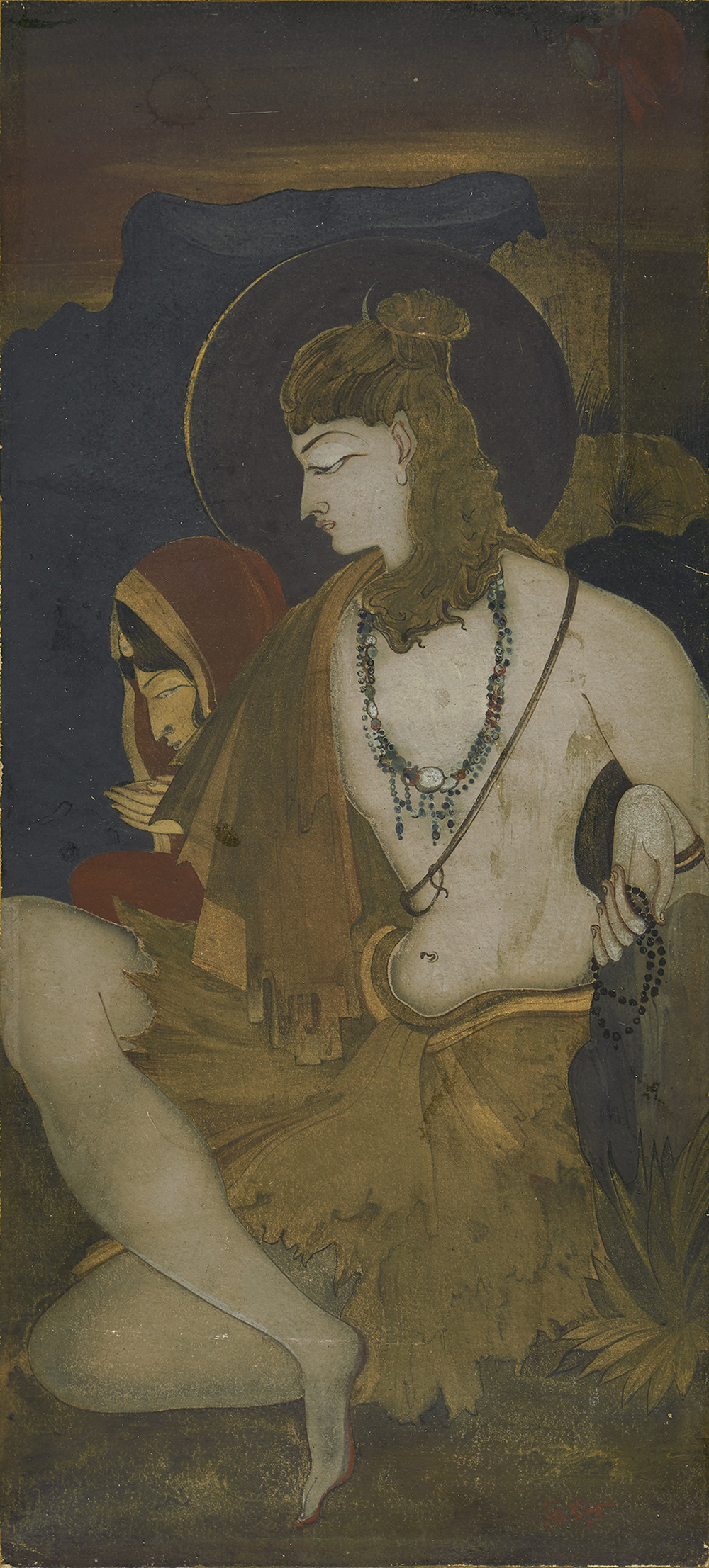
4. Cultural and Artistic Value - Shiva paintings come in various forms, Tandava poses, meditative states, abstract depictions, or traditional mythological scenes. They are rich in symbolism, color, and detail, making them not just spiritual icons but also pieces of cultural and artistic heritage. They elevate the aesthetic appeal of a space while also telling timeless stories.
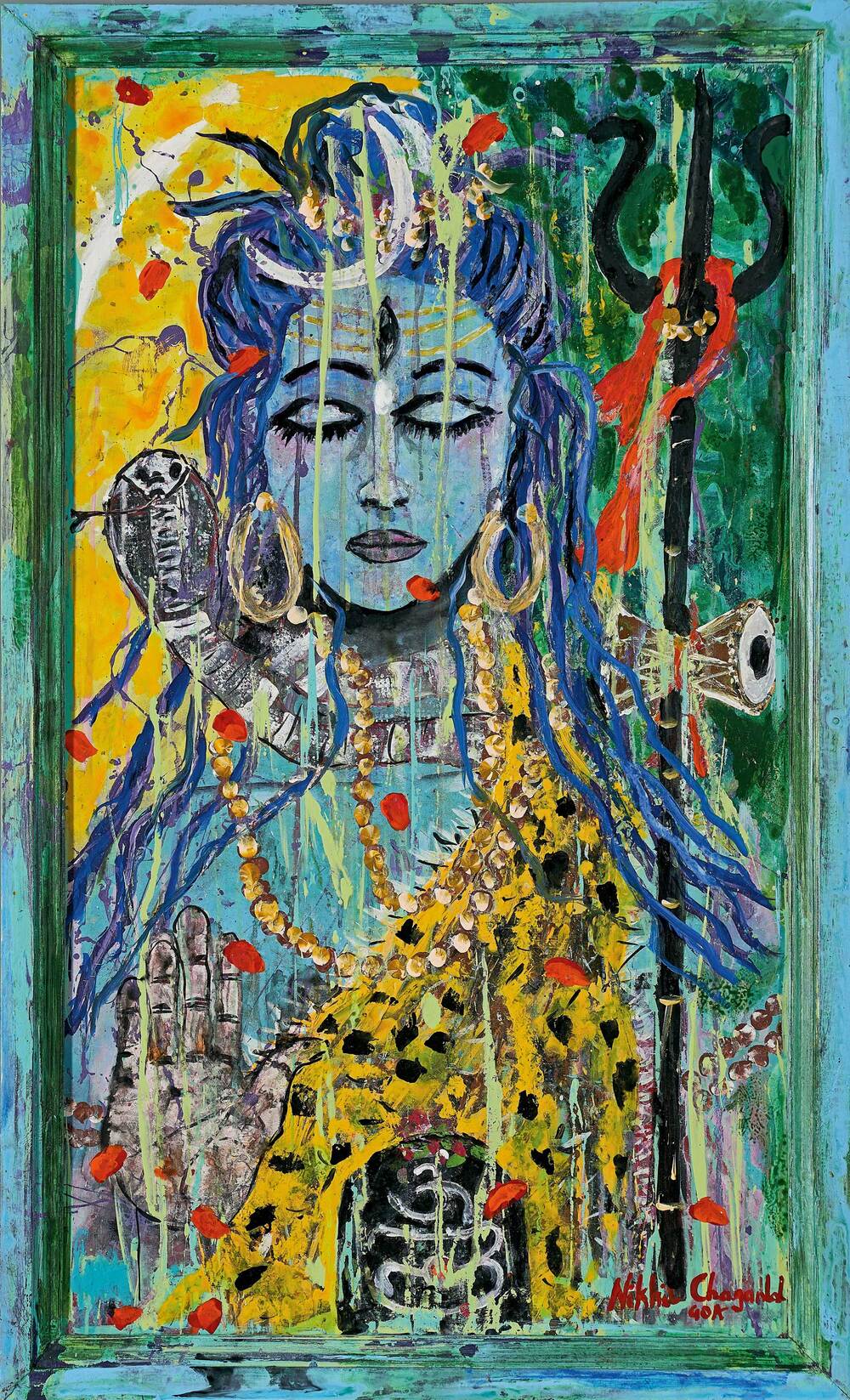
5. Motivation and Strength - Shiva’s fearless demeanor, third eye, and powerful trident (Trishul) symbolize inner strength, courage, and clarity of vision. Having such a powerful symbol in your home can serve as motivation during difficult times, reminding you to stay centered and resilient.
6. Spiritual Connection and Devotion - For many, a Shiva painting is an extension of their devotional practice. It creates a sacred space where prayers, meditations, or simple moments of gratitude can take place. It can help strengthen your spiritual connection and serve as a daily reminder of divine presence and guidance.
Types Of Shiva Paintings
Shiva paintings are rich in symbolism and spirituality, reflecting the diverse aspects of Lord Shiva. Here are some prominent types of Shiva paintings:
• Nataraja (Lord of Dance) – Depicts Shiva performing the cosmic dance (Tandava), symbolizing creation, preservation, and destruction. Often shown within a flaming circle.
• Meditating Shiva (Shiva in Deep Meditation) – Shows Shiva seated in a yogic posture, often with his eyes half-closed, representing tranquility and wisdom.
• Ardhanarishvara (Half-Male, Half-Female Form) – A composite form of Shiva and Parvati, symbolizing the union of masculine and feminine energies.
• Rudra Shiva (Fierce Form) – Portrays Shiva in his destructive aspect, often with a wrathful expression, associated with annihilation.
• Bholenath (Innocent & Kind Shiva) – A gentle, benevolent depiction, often with a smiling face, holding a damru (drum) and trishul (trident).
• Shiva Drinking Poison (Neelkanth) – Depicts the story of Shiva consuming poison during the churning of the ocean (Samudra Manthan), turning his throat blue.
• Shiva-Parvati Wedding (Vivah) – Illustrates the divine marriage of Shiva and Parvati, often with gods and sages in attendance.
• Shiva as Dakshinamurthy (The Supreme Guru) – Shows Shiva as a teacher, seated under a banyan tree, imparting wisdom to sages.
• Shiva as Bhairava (Terrifying Aspect) – A fearsome form associated with destruction, often shown with a dog and a skull cup.
• Shiva Lingam Paintings – Abstract representations of the lingam (aniconic form of Shiva) with yoni (symbolizing Shakti).
• Trishul (Trident) & Damru (Drum) Art – Focuses on Shiva’s iconic attributes rather than his full form.
• Shiva in Tibetan Buddhist Art – Sometimes depicted in a Tantric Buddhist context, often alongside Buddhist deities.
How To Choose The Right Shiva Painting
When choosing a Shiva painting for home, consider:
• The specific aspect of Shiva you wish to honor (meditating Shiva for peace, Nataraja for dynamism, family scenes for harmony).
• The artistic style that resonates with your aesthetic preferences and existing decor.
• The appropriate placement according to Vastu principles, with many recommending the northeast or eastern walls.
• The quality and authenticity of the artwork, particularly if investing in traditional handmade pieces.
Where To Place Shiva Painting At Home - Ideal Placements
• North Direction - According to Vastu Shastra, the ancient Indian science of architecture, the ideal placement for a Shiva painting is in the North direction. This aligns with Shiva's association with Mount Kailash and is believed to attract positive energy.
• Meditation or Prayer Room - A Shiva painting in a meditation or prayer room can deepen one's spiritual practice. It creates a calm, focused environment, helping to connect with a higher sense of consciousness.
• Living Room - For those seeking serenity and protection, placing a Shiva painting in the living room can invite an aura of calm and spiritual strength. It serves as a constant reminder of Shiva's blessings and protection.
Avoid placing Shiva paintings in the bedroom or near bathrooms, as these are not considered respectful locations for divine imagery.
How Auspicious Is Shiva Painting?
A Shiva painting is considered highly auspicious in Vastu Shastra and other spiritual traditions. Placing such a painting in your home or workplace is believed to invite divine energy, peace, and protection. Especially when depicted in meditative pose or dancing as Nataraja, Lord Shiva brings a cosmic balance to your surroundings. His presence through art purifies the space, wards off negative energies, and promotes spiritual growth.
What Is The Relevance Of Shiva Painting?
In today’s world of hustle and chaos, the relevance of a Shiva painting has grown even more profound. Shiva, often portrayed in deep meditation or as the cosmic dancer, serves as a reminder to remain centered amidst life’s turmoil. His calm yet intense demeanor mirrors the balance we all seek in our daily lives. For spiritual seekers, yogis, and even art lovers, Shiva becomes a visual anchor—drawing focus inward and inspiring a sense of timeless calm.
Why Should You Buy Shiva Painting?
Purchasing a Shiva painting can be a deeply rewarding experience for several reasons. Firstly, it adds a touch of spirituality and cultural richness to your living or working space. The presence of a Shiva painting can create a serene and uplifting atmosphere, promoting a sense of well-being and harmony. Secondly, Shiva paintings are often created by skilled artists who pour their heart and soul into each piece, making them valuable works of art. Owning a Shiva painting is not just about decoration; it is about connecting with a piece of art that carries profound meaning and energy. Thirdly, Shiva paintings make for thoughtful and meaningful gifts, symbolizing blessings, protection, and positive energy for the recipient.
What Does Shiva Painting Symbolize?
Shiva paintings are rich in symbolism, each element carrying deep philosophical and spiritual significance. The crescent moon adorning Shiva's head symbolizes his control over time and the cycles of life. The serpent around his neck represents the life force and the shedding of old skins, signifying transformation and renewal. The trident in his hand embodies the three functions of the divine: creation, preservation, and destruction. The damru drum signifies the primal sound of creation, while the fire in his hand represents the purifying power of destruction. In the Nataraja form, Shiva's dance within a circle of flames encapsulates the cosmic rhythm of the universe, highlighting the delicate balance between chaos and harmony.
Benefits Of Having Shiva Paintings
• Enhances Spiritual Growth: Encourages self-realization and connection with higher consciousness.
• Promotes Tranquility: Reduces stress and fosters a calm environment.
• Inspires Resilience: Serves as a reminder to stay strong during challenges.
• Attracts Prosperity: Symbolizes renewal and positive transformation, which can attract success.
Conclusion
Incorporating Shiva paintings into your home is more than just an aesthetic choice; it is a way to invite spirituality, cultural richness, and positive energy into your living space. Whether you are drawn to their artistic beauty or their deep spiritual significance, these paintings can enhance your home in meaningful ways. Consider selecting a Shiva painting that resonates with you personally, and allow it to inspire and uplift your living environment.