impressionism: the genre explained in 10 facts & 10 artworks
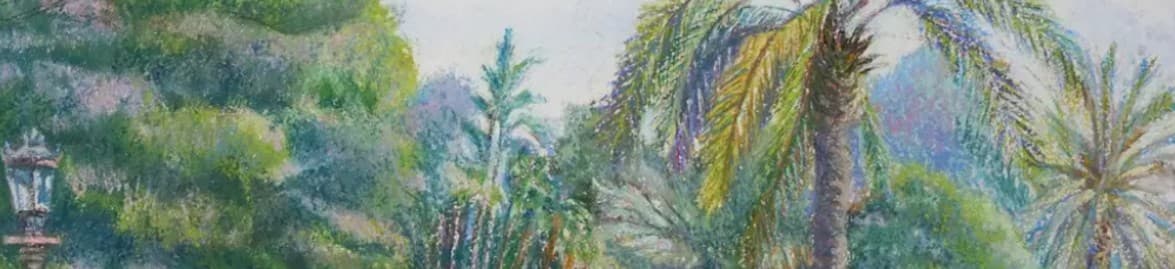
Impressionism, born in late 19th-century France, revolutionized art by focusing on the fleeting effects of light and color rather than detailed realism. This groundbreaking style captured everyday life with spontaneous brushwork, bold colors, and a fresh perspective that challenged traditional academic painting. Here’s a comprehensive guide to understanding Impressionism through 10 essential facts and 10 iconic paintings.
1. Origins in France
Impressionism emerged in Paris during the 1860s and 1870s. Artists were frustrated with the rigid, traditional standards of the Académie des Beaux-Arts, which emphasized historical, religious, and mythological subjects painted in a highly polished style. Impressionists wanted freedom to depict modern life and explore innovative techniques, giving rise to a movement that broke with centuries of academic painting.
2. Focus on Light and Color
A defining feature of Impressionism is the emphasis on capturing fleeting light and its effects on color. Artists painted the same scene multiple times at different times of day or under changing weather to study how sunlight and shadow altered the perception of objects. Claude Monet’s series, such as Haystacks and Rouen Cathedral, exemplifies this focus.
3. Everyday Life as Subject Matter
Unlike previous art movements that focused on historical or religious scenes, Impressionists celebrated modern life and ordinary experiences. They painted cafes, boulevards, parks, leisure activities, and domestic interiors, reflecting the social and cultural changes of 19th-century Paris. Renoir’s Luncheon of the Boating Party is a classic example.
4. Visible Brushstrokes
Impressionists used loose, visible brushstrokes to convey movement, energy, and spontaneity. This technique contrasted with the smooth, polished surfaces demanded by academic painting. The rough textures and bold strokes allowed them to capture the immediacy of a moment rather than precise details, giving their work a dynamic, lively feel.
5. Open Composition
Impressionist paintings often feature cropped edges, asymmetry, and unusual viewpoints, similar to the framing in photography or Japanese ukiyo-e prints. This approach gives the impression of a scene continuing beyond the canvas, creating a more natural, observational perspective. Edgar Degas’ works, particularly his ballet scenes, are excellent examples of this technique.
6. Plein Air Painting
Many Impressionists painted outdoors (“en plein air”) to accurately capture natural light and atmospheric changes. This method allowed them to study how light interacts with landscapes, water, and architecture in real time. Portable paint tubes and easels made this practical, enabling painters like Monet and Sisley to work directly in nature.
7. Use of Color Theory
Impressionists explored the scientific and artistic principles of color theory, using complementary colors, broken color techniques, and reflections to create vibrant, luminous effects. They often avoided black, instead mixing colors to create shadows and depth, producing more naturalistic and dynamic lighting effects.
8. Rejected by Traditional Exhibitions
The Paris Salon, the official art exhibition, frequently rejected Impressionist works for being too unconventional or sketch-like. In response, artists organized independent exhibitions beginning in 1874. These shows allowed them to present their vision directly to the public and gradually gain recognition and critical acclaim.
9. Influence on Later Movements
Impressionism had a profound impact on subsequent art movements. By challenging conventional techniques and perspectives, it paved the way for Post-Impressionism, Fauvism, and Modernism. Artists like Van Gogh, Cézanne, and Matisse expanded on Impressionist ideas, experimenting further with color, form, and abstraction.
10. Diverse Techniques Within the Genre
While united by common goals, Impressionist artists developed distinct personal styles. Monet focused on light and natural landscapes, Renoir on social scenes and figures, Degas on movement and composition, and Morisot on domestic intimacy. This diversity demonstrates the flexibility and richness of Impressionism as a genre.
Now that we’ve delved into the key features and innovations that define Impressionism, the next step is to see these ideas in action. The movement comes alive through its most celebrated works; paintings that capture fleeting light, vibrant color, and the rhythms of modern life. Let’s explore 10 iconic Impressionist artworks that perfectly illustrate the movement’s groundbreaking approach and enduring impact.
1. Claude Monet – Impression, Sunrise (1872)
This painting depicts the harbor of Le Havre at sunrise, shrouded in mist. Monet used loose, rapid brushstrokes and subtle color contrasts to capture the fleeting quality of light on water. The term “Impressionism” actually comes from the title of this painting, as critics used it mockingly, but it soon became the name of the movement. The work exemplifies Monet’s focus on perception rather than precise detail.
2. Pierre-Auguste Renoir – Luncheon of the Boating Party (1881)
Renoir portrays friends enjoying a sunny afternoon along the Seine River. The painting is celebrated for its vivid color palette, lively social atmosphere, and delicate rendering of light on fabrics, skin, and water. Renoir’s brushwork conveys movement and spontaneity, capturing the joyful leisure of Parisian society.
3. Edgar Degas – The Ballet Class (1874)
Degas focused on movement and human form, often depicting dancers in rehearsal. In The Ballet Class, he uses unusual perspectives, asymmetrical composition, and layered depth to highlight the grace, effort, and discipline of dancers. The interplay of light and shadow emphasizes the three-dimensionality of the figures in the studio setting.
4. Berthe Morisot – The Cradle (1872)
Morisot’s painting shows a mother watching over her sleeping child. Soft brushstrokes and gentle, diffused light create an intimate, tender atmosphere. The work emphasizes domestic life and personal emotion, demonstrating that Impressionism could explore both public and private moments.
5. Camille Pissarro – Boulevard Montmartre at Night (1897)
Pissarro captures the energy of urban Paris at night, focusing on the glow of streetlights, bustling crowds, and movement of carriages. The painting demonstrates his mastery of light and atmospheric effects, showing Impressionism’s capacity to depict modern city life with realism and vitality.
6. Mary Cassatt – The Child’s Bath (1893)
Cassatt often depicted intimate domestic scenes, particularly mothers and children. In this painting, she emphasizes tenderness, texture, and color, using brushstrokes to suggest the sensation of water, skin, and fabric. The composition is influenced by Japanese prints, with a cropped perspective and focus on everyday life.
7. Alfred Sisley – The Bridge at Moret-sur-Loing (1893)
Sisley specialized in landscapes and riverscapes, capturing natural light and seasonal changes. This painting shows a quiet bridge over the Loing River, with reflections in the water and a soft, impressionistic rendering of sky and foliage. The work highlights the transient effects of light on nature.
8. Gustave Caillebotte – Paris Street, Rainy Day (1877)
Caillebotte combines realistic perspective with Impressionist technique to depict Parisians walking in the rain. The painting features dramatic vanishing points, reflections on wet cobblestones, and everyday urban life. While more structured than other Impressionists, it still emphasizes contemporary scenes and transient effects of light and weather.
9. Claude Monet – Water Lilies series (1896–1926)
This famous series captures Monet’s garden pond at Giverny, with water lilies, reflections, and changing light. The paintings often verge on abstraction, using loose brushwork and color harmony to evoke mood and sensation rather than literal representation. The series represents the culmination of Monet’s exploration of light, color, and perception.
10. Edouard Manet – Le Déjeuner sur l’herbe (1863)
Though predating Impressionism, Manet broke artistic conventions by depicting a nude woman casually seated with clothed men in a contemporary outdoor setting. The controversial subject, flat planes of color, and modern context influenced later Impressionists, showing that art could explore modern life in unconventional ways.