influence of african art on western art
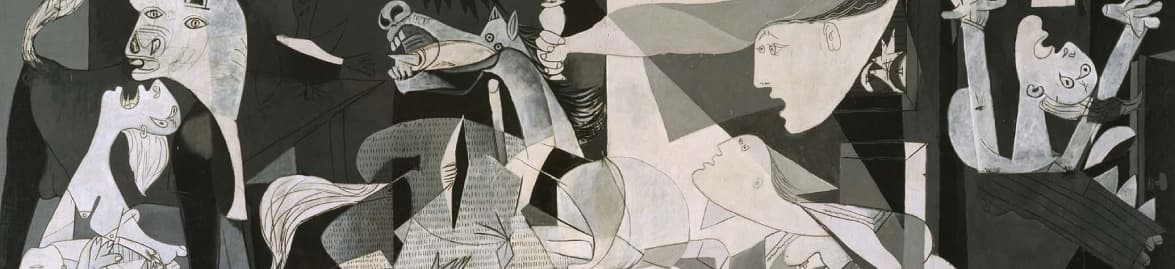
Africa, one of the largest continents on earth, has a vibrant history of traditional art. The influence of African art on Western art has been profound and multifaceted, spanning several centuries and various art movements. Artists have incorporated the unique and distinct techniques of authentic african art in their works. Their artistic depictions have paved the path for new styles and future creative collaborations. Following are some key ways African art has impacted Western art:
1) Modern Art Movement - During the late early 20th centuries, Western artists such as Pablo Picasso and Henri Matisse were highly influenced by African masks and sculptures. These artists were drawn to the abstract forms, expressive qualities, and symbolic meanings found in African art. This influence contributed significantly to the development of Modernism, particularly in terms of abstraction, simplification of form, and a focus on the spiritual or emotional essence of art. Les Demoiselles d’Avignon executed in 1907, by Pablo Picasso depicting five naked women with angular, mask-like faces is a popular artwork from this period.
2) Primitivism - The concept of "primitivism" emerged in Western art during the early 20th century artists sought inspiration from non-Western cultures, including African art. This movement aimed to find authenticity and raw expression by looking at art forms considered "primitive" or untouched by Western industrialisation and modernity. Artists like Pablo Picasso, Henri Matisse, and Paul Gauguin were influenced by Primitivist ideas and incorporated elements of non-Western art into their own work.
3) Cultural Exchange - Beyond specific movements, African art has contributed to a broader cultural exchange between Africa and the West. It has challenged western notions of what constitutes art and has influenced western perceptions of creativity, aesthetics, and cultural identity.
4) Formal & Stylistic Influences - Traditional African art often features bold patterns, geometric shapes, and stylised representations of the human form. These elements have found resonance in Western art and design, influencing movements such as Cubism, Expressionism, and Art Deco.
5) Symbolism & Meaning - African art frequently incorporates symbols and motifs that hold deep cultural, spiritual, or social significance. Western artists have been intrigued by the richness of these symbols and have adapted them into their works to convey similar layers of meaning. They were inspired by the use of symbolism in African art which led them to explore deeper, metaphorical layers in their work.
6) Global Art Market - The appreciation of African art in the Western art market has grown significantly, leading to greater visibility and recognition of African artists and their contributions. This has fostered cross-cultural dialogues and collaborations between artists from different backgrounds.
Thus, by incorporating motifs and forms reminiscent of African masks, figures, and patterns into their works, artists found a means to explore identity and cultural heritage. The influence of African art on Western art has been transformative, contributing to the evolution of artistic styles, techniques, and cultural perspectives. It has challenged and expanded the boundaries of Western artistic traditions, encouraging a deeper appreciation for the diversity and creativity of global artistic practices.
Also Read - Exploring The Influence Of French Culture On Indian Artists