introduction to kishangarh painting: origin & historical background
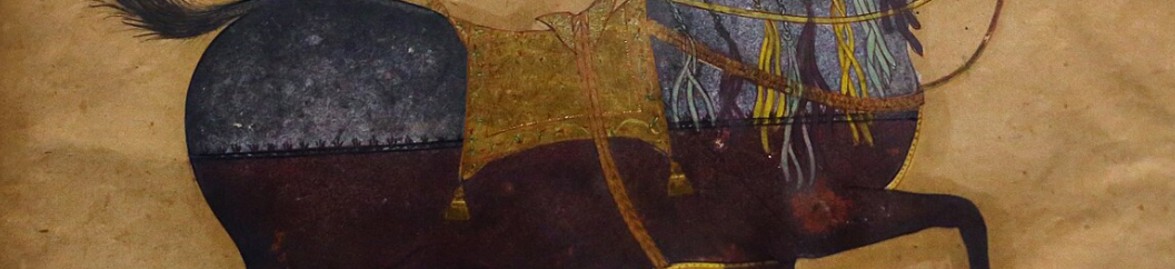
What is Kishangarh Painting?
Kishangarh Painting is one of the most celebrated schools of Indian miniature painting, known for its delicate beauty, refined technique, and lyrical portrayal of romantic and devotional themes. Originating in the small princely state of Kishangarh in Rajasthan, this art form gained prominence during the 18th century and remains an important part of India’s cultural heritage. It is celebrated for its romantic and devotional themes, particularly the depiction of Radha and Krishna, rendered with delicate lines, soft color palettes and graceful figures.
Origin
The origin of Kishangarh as a princely state date back to around 1609, when it was established by Kishan Singh, the eighth son of Raja Udai Singh of Jodhpur. While early artistic activity in Kishangarh included portraits of local rulers and landscapes influenced by the Mughal style, it was under the patronage of its later rulers most notably Raja Savant Singh and the talented artist Nihal Chand that the Kishangarh school truly developed its iconic style in the 18th century.
Kishangarh History
Kishangarh, a historic city in the Ajmer district of Rajasthan, was founded in 1609–1611 CE by Raja Kishan Singh, a Rathore prince and the son of Maharaja Udai Singh of Jodhpur. The city was established as the capital of a small princely state under the Rathore dynasty, which ruled the region for several centuries. Its strategic location between Ajmer and Jaipur made it an important political and trade center during medieval Rajasthan’s consolidation of Rajput kingdoms. Kishangarh State later came under British suzerainty in 1818, becoming part of the Rajputana Agency until India’s independence in 1947, when it merged into the state of Rajasthan.
One of Kishangarh’s greatest historical contributions lies in its rich artistic and cultural heritage, particularly the Kishangarh school of miniature painting. This distinctive style flourished during the 18th century, reaching its peak under the patronage of Raja Sawant Singh (1748–1764), who was also known as the poet-saint Nagari Das. The Kishangarh school is renowned for its graceful, elongated figures, refined lines, and devotional themes centered on the divine love of Radha and Krishna. The most famous masterpiece from this tradition is “Bani Thani”, a portrait of an idealized woman with arched eyebrows and a delicate profile, painted by the court artist Nihâl Chand. Often compared to the “Mona Lisa of India,” this work symbolizes the romantic and spiritual ideals of Kishangarh’s aesthetic culture.
Architecturally, Kishangarh boasts several remarkable structures reflecting Rajput grandeur. The Roopangarh Fort, built around 1649 CE by Maharaja Roop Singh, served both as a military bastion and a royal residence. Its commanding location on a hill provided defense as well as panoramic views of the surrounding desert landscape. Within the city, the Phool Mahal Palace, situated beside the Gond Talav (lake), exemplifies the elegance of Rajasthani palace architecture, featuring ornate frescoes, jharokhas (balconies), and spacious courtyards that once hosted royal ceremonies and gatherings.
In the modern era, Kishangarh has transformed into a dynamic industrial and commercial hub, often called the “Marble City of India.” It is one of the largest marble markets in Asia, known for its stone cutting, polishing, and export industries. This economic boom has brought prosperity to the region, while the city continues to preserve its artistic legacy through museums and galleries displaying Kishangarh miniature paintings and royal artifacts.
Kishangarh Painting Characteristics
Kishangarh miniatures stand out for several unique features:
• Elongated Facial Features: The idealized faces are often long and slender, with arched eyebrows, almond-shaped eyes, and sharp noses.
• Graceful Figures: The figures exhibit a refined sense of elegance and serenity, conveying a poetic and dreamlike quality.
• Pastel Color Palette: Soft blues, pinks, and greens dominate the palette, giving the works an ethereal atmosphere.
• Intricate Detailing: Fine brushwork and meticulous attention to detail reflect the influence of Mughal miniatures.
• Focus on Devotional and Romantic Themes: Many works depict the eternal love story of Radha and Krishna, symbolizing spiritual longing and divine love.
Techniques and Materials
• Natural Pigments: Artists used finely ground minerals and vegetables to produce bright and lasting colors, sometimes mixing in oils and precious metals.
• Squirrel-hair Brushes: Extremely delicate brushes enabled intricate detailing of facial features, jewelry, and textiles, a hallmark of the school’s artistry.
• Miniature Format: The works were often small, designed for private contemplation or courtly appreciation, enhancing their intimate quality.
Famous Kishangarh Paintings
1. Bani Thani: The Mona Lisa of India
Perhaps the most iconic Kishangarh painting is the portrait of Bani Thani, created around 1750. Often referred to as the “Mona Lisa of India,” this painting depicts a woman with an elongated face, arched eyebrows, almond-shaped eyes, and a serene smile.
• Significance: Bani Thani is believed to represent a singer and poet in the court of Maharaja Sawant Singh. The image exemplifies the Kishangarh ideal of beauty stylized, graceful, and almost otherworldly.
• Artistic Features: The soft pastel colors, meticulous detailing of jewelry, and the dreamy expression highlight the unique Kishangarh approach to portraiture.
2. Radha and Krishna in Lovers’ Embrace
Many Kishangarh paintings focus on the divine love of Radha and Krishna, the most celebrated figures in Indian devotional art. These compositions show the couple in idyllic landscapes or palatial settings, lost in spiritual union.
• Significance: These artworks are not mere romantic portrayals but symbolize the soul’s yearning for divine union.
• Artistic Features: The paintings often feature a delicate color palette soft blues, pinks, and greens and fluid lines that express tenderness and divine grace.
3. Krishna on a Horse
One notable Kishangarh painting depicts Krishna riding a horse, dressed in royal finery and surrounded by courtly attendants. This unusual subject reflects the ruler’s desire to combine devotional themes with regal imagery.
• Significance: This portrayal blends the kingly and divine aspects of Krishna, emphasizing both power and spirituality.
• Artistic Features: The composition highlights elegant figures, detailed ornamentation, and a harmonious blend of Mughal and Rajasthani techniques.
4. Radha Watching Krishna Play the Flute
A recurring and highly admired subject in Kishangarh miniatures is Radha listening intently as Krishna plays his flute. These scenes capture the quiet intensity of their relationship, representing longing, devotion, and spiritual connection.
• Significance: These paintings are seen as visual expressions of Bhakti (devotional) poetry and reflect the deeply philosophical tradition of Indian art.
• Artistic Features: The use of pastel backgrounds, elongated figures, and intricate detailing of garments makes these compositions truly evocative.
5. Courtly Portraits of Maharaja Sawant Singh
Apart from devotional themes, Kishangarh artists also created finely detailed portraits of the royal family, especially Maharaja Sawant Singh himself.
• Significance: These works reflect the Maharaja’s pride and aesthetic sensibility, as well as his role as a patron of the arts.
• Artistic Features: Portraits combine regal posture with the Kishangarh ideal of beauty, featuring intricate jewelry, expressive faces, and elaborate architecture in the background.
Famous Kishangarh Painting Artists
1. Nihal Chand (c. 1710 – after 1782)
Nihal Chand is undoubtedly the most celebrated artist of the Kishangarh school and is often regarded as the pioneer who defined its unique style.
Key Contributions:
• Nihal Chand played a central role in developing the iconic elongated features of figures, soft pastel tones, and romantic compositions that became hallmarks of Kishangarh painting.
• He created many of the most famous devotional works, particularly those depicting Radha and Krishna, which express divine love with poetic grace.
Famous Works:
• The portrait of Bani Thani, often called the Indian Mona Lisa, is widely attributed to Nihal Chand or his school.
• Numerous Radha-Krishna scenes, showing the lovers in idealized landscapes, are considered his masterpieces.
Artistic Style:
Nihal Chand’s style blends Mughal refinement with local Rajasthani elements, resulting in delicate brushwork, graceful figures, and harmonious compositions that reflect both courtly elegance and spiritual depth.
2. Court Painters of Kishangarh
While Nihal Chand stands out as the most famous name, many other skilled yet anonymous court painters contributed significantly to the Kishangarh tradition. These artists worked under the Maharaja’s patronage, producing a large number of miniatures.
Key Contributions:
• These artists collectively ensured the continuity of Kishangarh’s stylistic features: elongated facial structures, soft color schemes, lyrical subject matter, and meticulous detailing of costumes and jewelry.
• They produced both devotional themes (primarily Radha-Krishna series) and royal portraits.
Famous Works:
• Paintings of Maharaja Sawant Singh himself, along with other court scenes, are examples of the craftsmanship of these anonymous masters.
Influence and Artistic Sources
• Mughal Influence
The technical foundation of Kishangarh painting drew heavily from Mughal miniature traditions. The precision of drawing, sophisticated color use, and attention to detail all reflect Mughal influence. However, Kishangarh artists transformed these technical elements to serve their own aesthetic and spiritual purposes.
• Deccani Elements
The romantic sensibility and lyrical quality of Kishangarh painting show clear influence from Deccani schools, particularly those of Golconda and Bijapur. The emphasis on idealized beauty and emotional expression reflects this southern Indian influence.
• Local Rajput Traditions
Indigenous Rajput artistic traditions contributed bold color use, architectural motifs, and cultural elements that distinguish Kishangarh painting from purely Mughal-influenced works.
Historical Decline
The classical period of Kishangarh painting was relatively brief, declining after the death of Sawant Singh in 1764. Political instability, changing patronage patterns, and the gradual influence of British colonial culture contributed to the school's decline. Later rulers of Kishangarh continued to patronize painting, but the works lacked the innovative spirit and emotional intensity of the classical period. The tradition gradually became more conventional and less distinctive.
Modern Rediscovery
The significance of Kishangarh painting remained largely unrecognized until the 20th century when art historian Eric Dickinson brought scholarly attention to the school in the 1930s. His research and publications helped establish Kishangarh's place in the canon of Indian art history.
Subsequently, other scholars including W.G. Archer and B.N. Goswamy contributed to the understanding and appreciation of the school. Their work led to the inclusion of Kishangarh paintings in major museum collections worldwide.
Legacy
Although the golden age of Kishangarh painting waned by the 19th century, its impact persists. The image of Bani Thani is celebrated as “India’s Mona Lisa,” and the school’s works remain cherished pillars of Rajasthani and Indian art heritage. Their devotional eloquence, technical finesse, and romantic idealism continue to inspire artists and art lovers around the world.
Conclusion
Kishangarh Painting stands as a brilliant chapter in India’s artistic history, marked by its lyrical beauty, technical finesse, and devotion-infused themes. Born under the enlightened patronage of Maharaja Sawant Singh, it remains a timeless expression of romanticism and spirituality in art. For art lovers, historians, and cultural enthusiasts, Kishangarh miniatures offer a window into the poetic soul of 18th-century India.
Image Credit:
“Scuola di Kishengarh, cavallo, 1725”, Sailko, via Wikimedia Commons
– Public Domain.