


jagdish chandra jha: father of madhubani painting
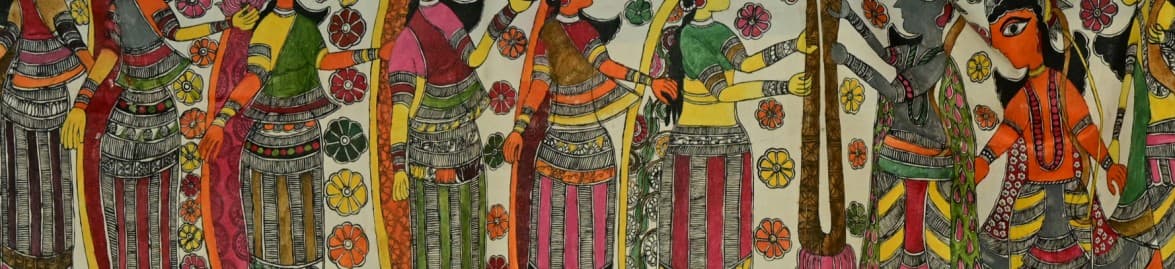
Jagdish Chandra Jha is celebrated as a pioneering figure in the history of Madhubani painting, often hailed as the "father" of this traditional Indian folk art. His contributions played a crucial role in recognizing and popularizing Madhubani (also known as Mithila) painting beyond the rural confines of Bihar, India.
Early Life and Background
Born in Bihar, Jagdish Chandra Jha was deeply interested in folk arts and the cultural heritage of Bihar. As a government officer and art enthusiast, he encountered Madhubani art during his postings in the Mithila region, where the art form was traditionally practiced mainly by women on the walls and floors of their homes during festivals and rituals.
Discovery and Documentation
Jagdish Chandra Jha’s significant role involved the discovery, documentation, and promotion of Madhubani paintings at a time when the art was largely unknown outside its native region. Following a devastating earthquake in 1934, he noticed murals in Maithil households and made efforts to collect and photograph these remarkable local artworks. His research culminated in important publications, including an article titled “Maithil Painting” in the art journal Marg in 1949, which introduced Madhubani art to a wider Indian and international audience.
Promotion of Madhubani Painting
Jagdish Chandra Jha encouraged the practice of Madhubani painting on new surfaces such as paper and canvas, providing artists with fresh opportunities to reach new markets and preserve the tradition economically. His efforts helped establish Madhubani painting as a significant art form and supported its transformation from a domestic craft into an internationally recognized folk art.
Artistic Style and Contributions
Jagdish Chandra Jha's approach to Madhubani painting was both innovative and respectful of tradition. He emphasized the importance of maintaining the authenticity of the art while encouraging experimentation with new mediums and themes. His works often featured detailed line work, vibrant colors, and symbolic motifs, reflecting the rich cultural heritage of the Mithila region.
Beyond his artistic endeavors, Jha played a pivotal role in establishing institutions dedicated to the study and promotion of Madhubani painting. His contributions have inspired numerous artists and have been instrumental in the art form's recognition as a significant cultural heritage of India.
Legacy and Recognition
Today, Madhubani painting is celebrated worldwide, with artists from the Mithila region and beyond continuing to practice and innovate within this tradition. Jagdish Chandra Jha's legacy lives on through the vibrant artworks that adorn galleries and homes globally, and through the ongoing efforts to preserve and promote this unique art form.
His work not only revitalized a traditional art form but also empowered women artists in the Mithila region, providing them with opportunities for economic independence and cultural expression. Jha's dedication to Madhubani painting has ensured that it remains a living, evolving tradition, cherished by future generations.
In conclusion, Jagdish Chandra Jha's contributions to Madhubani painting have been transformative. Through his efforts, he not only preserved a rich cultural tradition but also propelled it onto the global stage, ensuring its continued relevance and appreciation.




