legendary indian terracotta artists whose works inspire generations
.jpg&w=3840&q=75)
India’s relationship with terracotta is as old as its earliest civilizations. From the clay figurines of the Indus Valley to the grand terracotta temples of Bengal, this humble medium has carried within it the stories, beliefs, and artistic genius of countless communities. While terracotta has always been a collective craft tradition, several legendary artists and artisan lineages have elevated it into an enduring art form, one that continues to inspire new generations of sculptors, designers, and cultural enthusiasts This article celebrates some of the most influential terracotta masters of India whose creativity, technical mastery, and cultural dedication have shaped the identity of Indian clay art.
1. The Bankura Terracotta Artisans (West Bengal): Custodians of a Timeless Legacy
The Bankura district of West Bengal is synonymous with the Bankura Horse, a majestic terracotta figure that has become one of India’s most iconic folk art symbols.Although these sculptures emerged from collective village craftsmanship, several master artisans from Panchmura, Joypur, and Bishnupur played a key role in refining the form by standardizing its elongated neck, pointed ears, and ritual symbolism.
These artisans, often working in family lineages for generations, not only preserved a tradition but transformed it into a global cultural emblem. Today, the Bankura horse is displayed in museums worldwide and continues to inspire contemporary sculptural interpretations.
2. Kumbhar Community Artists (Gujarat): Masters of Decorative Terracotta
Gujarat’s Kumbhar potter community has produced some of India’s most vibrant terracotta art, ranging from votive idols and wall murals to large sculptural installations. Legendary artisans in Kutch and Saurashtra developed intricate forms of painted terracotta work using natural colors and geometric patterns. Their techniques, including hand coiling, surface carving, and black firing, are now widely studied by students of craft design and anthropology. Many contemporary terracotta designers trace their inspirations back to these humble but visionary masters of Gujarat.
3. Laxman Vyas (Rajasthan): Reviving Tradition Through Sculptural Excellence
Laxman Vyas, an acclaimed terracotta sculptor from Molela in Rajasthan, played a pivotal role in reviving the region’s Molela Terracotta Plaques. These are narrative clay tablets that depict mythological tales, local deities, and folklore. His efforts helped transition Molela terracotta from a seasonal ritual craft into a nationally celebrated art form. Vyas’s plaques, known for their dynamic expressions and storytelling detail, influenced many younger artists who continue to reinterpret the tradition for modern interiors and public art installations.
4. Tribhuvan Das and the Potters of Tamil Nadu: Temple Terracotta Visionaries
Tamil Nadu has a rich history of terracotta horse sculptures, especially in districts such as Salem, Namakkal, and Villupuram. Among these traditions, the enormous Ayyanar Horses, towering terracotta guardians placed outside shrines, are famous worldwide. Master sculptors including Tribhuvan Das and several unnamed hereditary artisans transformed these folk deities into monumental forms. Their technical expertise, especially in constructing large hollow structures that survive firing, remains a reference point for terracotta sculptors around the world.
5. Nawal Kishore (Haryana): Modernizing Folk Terracotta
From the culturally rich region of Jhajjar in Haryana, Nawal Kishore gained recognition for merging traditional terracotta with modern sculptural aesthetics. His simplified human figures, expressive animal forms, and innovative surface textures earned him national awards and brought Haryana’s terracotta traditions into mainstream art spaces. Kishore’s work serves as a bridge between rural craft identity and contemporary art and continues to inspire a new generation of terracotta artists and designers.
6. The Traditional Terracotta Craftspersons of Odisha: Masters of Tribal Expression
Odisha’s terracotta work, especially from Mayurbhanj, Balasore, and Keonjhar, is deeply rooted in tribal symbology and ritual heritage.Generations of tribal artisans have produced remarkable figures, including horses, elephants, human forms, and votive objects, each representing myths, ceremonies, and agrarian beliefs.These artists may not be individually recorded by name, but their collective legacy has influenced India’s modern tribal art movement. Art schools, museums, and contemporary ceramicists continue to draw from Odisha’s powerful sculptural vocabulary.
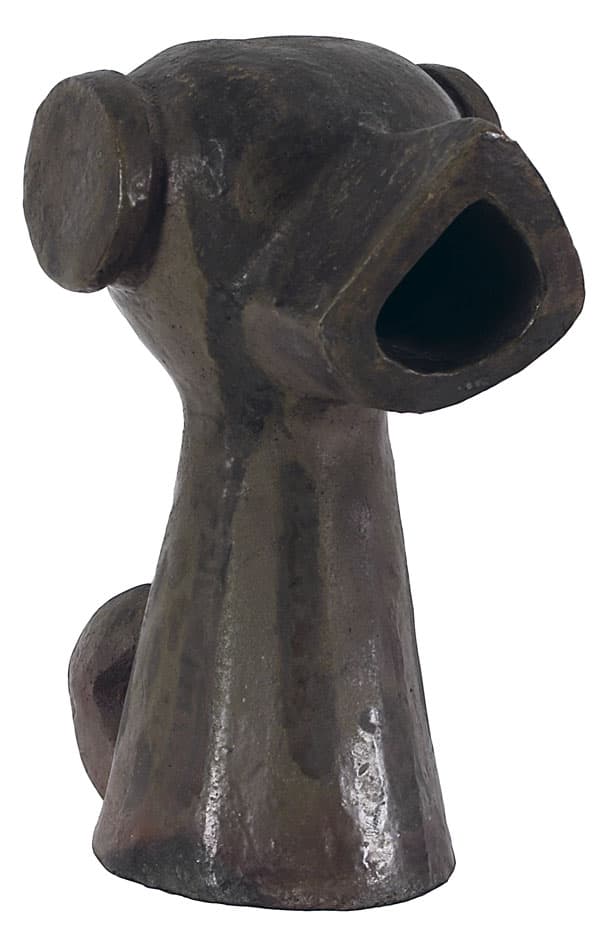 7. Ramkinkar Baij: The Modernist Pioneer
Born in 1906 in Bankura, West Bengal, Ramkinkar Baij revolutionized Indian sculpture by blending folk terracotta traditions with modernist sensibilities. Trained at Santiniketan under Rabindranath Tagore, Baij rejected European academic styles, drawing instead from rural Bengal's terracotta horse motifs and tribal art. His iconic works, such as the towering "Santiniketan Murals" and the life-sized "Mill Call" (depicting laborers), used terracotta to capture human struggle and nature's dynamism. Baij's sculptures often featured elongated forms and expressive faces, symbolizing India's awakening. Despite poverty and limited resources, he worked tirelessly, influencing artists like Nandlal Bose. Ramkinkar Baij's legacy inspires today's sculptors by proving that terracotta can transcend utility to become a vehicle for social commentary. His works are displayed in museums worldwide, reminding generations that art rooted in heritage can challenge conventions.
Why These Artists Matter Today
The legendary terracotta artists of India, both named and unnamed, have shaped far more than regional craft styles. They have
• preserved ancient techniques through lived tradition
• introduced new sculptural forms and narrative styles
• inspired modern ceramic and installation artists
• helped Indian terracotta gain recognition on global platforms
• kept indigenous stories alive through material and form
In a world increasingly drawn to sustainability, terracotta’s natural beauty and ecological simplicity feel more relevant than ever. Young Indian ceramic artists regularly look to these masters for inspiration, blending age old sensibilities with contemporary design language.
Conclusion
India’s terracotta heritage is not defined by a single artist but by entire communities of visionaries who shaped clay into culture. The legendary artisans celebrated here represent only a small part of that immense creative landscape. Their works, majestic, mythical, and deeply rooted in the soil, continue to inspire generations of sculptors, designers, architects, and art lovers.