modern indian art forms & their impact on modern art scene
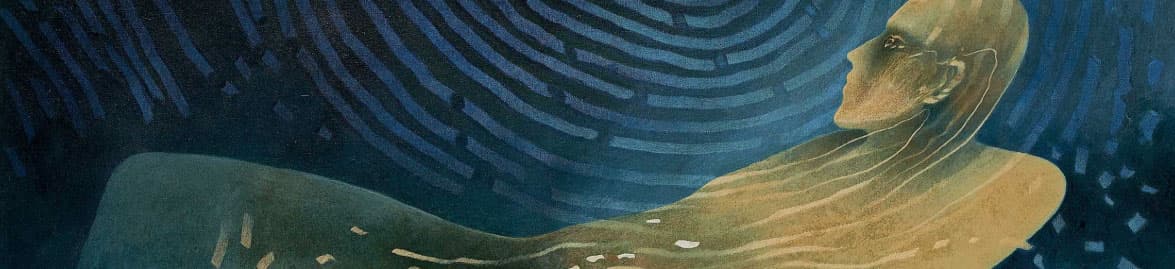
Modern Indian art refers to the art produced in India from the late 19th century to the present day, characterized by a blend of traditional Indian techniques and modern Western influences. Modern Indian art has seen the rise and passing of various art forms and movements. These art forms of India brought a new layer of perspective to the artistic culture of Indian society and changed the dynamics of how art is perceived by the viewers. Thus, creating a long-lasting impact for centuries to come.
Influence Of Academic Realist Style
Modern Indian artists who later became pioneers of modern Indian art had mastered the academic realist style. The transitions of the political reign from Mughal hands to the British brought in the European style of painting and art to India. Traditional art forms like Mughal miniatures, Warli paintings, Madhubani paintings, Miniature paintings, Tanjore paintings, Gond paintings, Kalamkari, Kalighat paintings, Pattachitra, Phad and Kalighat paintings got overlooked with the landscapes and portraiture. Art schools began teaching the academic styles and institutions were opened at Madras, Bombay and Calcutta between 1854-1857.
Types Of Paintings In India
Indian art is one of the world’s oldest and most diverse artistic traditions with a rich history spanning thousands of years. From ancient cave paintings to contemporary works, Indian art reflects the country’s complex cultural, religious and social fabric. It is deeply tied to spirituality, mythological narratives and religious practices, with each region of India offering its own unique contributions to this vast cultural heritage.
It has evolved over centuries, influenced by various dynasties, empires and external cultures, including Persian, Mongol and European. Despite these influences, Indian art has retained its unique identity, blending traditional techniques with new styles. Historically, art in India was often created for religious or royal purposes, including the depiction of gods and goddesses, the celebration of kingship and the narration of epics like the Ramayana and Mahabharata.
Passed down through generations, Indian art paintings showcase a harmonious blend of tradition and innovation, remaining relevant in both sacred and secular contexts. Mentioned below are 10 most famous types of Indian paintings & their meanings:
1. Warli Paintings:
What They Are: Warli paintings are a unique and ancient form of Indian art that originated in the tribal regions of Maharashtra, particularly among the Warli community. These paintings are known for their simplistic yet striking depictions of daily life, nature and rituals. The paintings are often created on walls, floors and even fabric, and are an integral part of the Warli community's cultural identity. Despite being an ancient art form, Warli paintings continue to fascinate art enthusiasts and collectors around the world, offering a glimpse into the rich and diverse cultural landscape of ancient India.
Invention: Warli paintings were not invented in the traditional sense but rather evolved as a unique art form among the Warli tribe of Maharashtra, India. The origin of Warli art has ancient roots dating back to around the 10th century AD and was primarily used to depict the tribe’s daily life, social rituals and cultural beliefs. Created using a simple palette of white pigment on earthy red backgrounds, these paintings feature basic geometric shapes—circles, triangles, and squares—to represent elements of nature and human figures in dynamic, rhythmic patterns.
Significance: Warli paintings hold cultural significance as they represent the tribe’s connection with nature and their socio-religious customs. The themes often revolve around farming, hunting, and festivities, emphasizing the harmony between humans and nature.
2. Madhubani Paintings:
What They Are: From the Mithila region of Bihar, India comes Madhubani art, also known as Mithila paintings, an iconic Indian art form distinguished by its vibrant colors and intricate patterns, often featuring mythological, folkloric and natural themes.
Invention: Madhubani art has ancient origins, believed to date back to the time of the Ramayana when King Janak commissioned artists to create these paintings for his daughter Sita’s wedding. Traditionally, Madhubani paintings were done on mud walls and floors of homes, but they are now also created on paper, cloth, and canvas. Over time, the art form spread beyond Bihar to other states of India and even to international audiences, especially as the Indian government and artists began promoting regional arts.
Significance: Madhubani paintings are deeply connected with religious and cultural traditions. They are used to mark festivals, rituals, and celebrations, serving as an expression of devotion and cultural identity.
3. Miniature Paintings:
What They Are: Miniature paintings are small, highly detailed artworks that originated in the Indian subcontinent, Persia and Central Asia. These paintings are often characterized by their intricate details, vivid colors, and use of gold and silver leaf.
Invention: The tradition of miniature painting in India began in the 9th to 10th century with the Palas of Bengal and later flourished under the Mughals, who refined the art form by incorporating Persian influences.
Significance: Miniature paintings were often used to illustrate manuscripts and royal chronicles, depicting scenes from mythology, epics, court life, and nature. They were significant in documenting history, culture, and religious beliefs in a visually captivating manner.
4. Tanjore Paintings:
What They Are: Tanjore paintings (Thanjavur paintings) are a classical South Indian art form that originated in Tamil Nadu. These paintings are known for their rich colors, surface richness, compact composition, and glittering gold foil work.
Invention: Tanjore paintings date back to the 16th century, during the reign of the Nayakas of Thanjavur. The art form was inspired by murals of the Vijayanagara period and has been influenced by Maratha, Deccan, and European styles over the years.
Significance: Tanjore paintings are deeply religious, often depicting Hindu gods and goddesses. They are considered auspicious and are used in homes and temples to evoke a sense of divinity and cultural heritage.
5. Gond Paintings:
What They Are: Gond paintings are a traditional art form of the Gond tribal community in central India, particularly in Madhya Pradesh. This art is characterized by its vibrant colors, intricate patterns, and depictions of nature and mythology.
Invention: The Gond art tradition has ancient roots, believed to be over 1400 years old. Initially, these paintings were created on mud walls and floors of homes. The community believed that good art brought good luck.
Significance: Gond paintings are not just a means of aesthetic expression but also a way to pass down folklore and myths through generations. The art form reflects the Gond people's deep connection with nature and their animistic beliefs.
6. Kalamkari:
What They Are: Kalamkari painting originated in the state of Andhra Pradesh, specifically in the towns of Sri Kalahasti and Machilipatnam. This traditional Indian art form involves hand-painting or block-printing on fabric, using natural dyes derived from plants and minerals. The word "Kalamkari" itself comes from two Persian words: "kalam", meaning pen, and "kari", meaning work or craftsmanship. Historically, Kalamkari paintings depicted mythological themes, including images of gods and goddesses, religious stories, and epics like the Ramayana and Mahabharata.
Over time, Kalamkari art spread to other parts of India, particularly in Tamil Nadu. In Tamil Nadu, the art form flourished, with its influence seen in the temples of the region. Today, Kalamkari is practiced in other states as well, such as Karnataka and Kerala, and continues to evolve with modern influences while retaining its traditional roots.
Invention: Kalamkari art dates back to around 3000 BCE, initially used for narrative scrolls and temple cloths. Over time, it evolved into a detailed and intricate art form, often depicting scenes from Hindu epics like the Ramayana and Mahabharata.
Significance: Kalamkari holds a significant place in Indian textile traditions. It is valued for its craftsmanship and its role in preserving ancient stories and myths, making it a unique blend of art and storytelling.
7. Kalighat Paintings:
What They Are: This Indian art originated in the 19th century around the Kalighat temple in Kolkata, West Bengal. These paintings are known for their bold lines, flat colors, and satirical themes, often depicting social issues, mythology, and daily life.
Invention: Kalighat paintings emerged as a result of the European influence on Indian art during the colonial period. Local artisans started creating these affordable and accessible paintings for pilgrims visiting the Kalighat temple, using watercolors on paper.
Significance: Kalighat paintings are significant for their socio-political commentary. They often depicted the hypocrisies of society, making them a powerful medium for expressing dissent and social criticism during the colonial era.
8. Pattachitra:
What They Are: Pattachitra, originated in the Indian states of Orissa & West Bengal is a traditional cloth-based scroll Indian art from Odisha and West Bengal, known for its intricate details, mythological narratives, and strong use of natural colors.
Invention: Pattachitra has its roots in ancient temple rituals, dating back to the 5th century. The term "Pattachitra" comes from the Sanskrit words "Patta" (cloth) and "Chitra" (picture). These paintings were originally made to serve as visual aids for storytelling in temples.
Significance: Pattachitra paintings are deeply connected to religious traditions, particularly those of the Jagannath temple in Puri, Odisha. They are used in rituals and are considered sacred, often depicting stories of Krishna, Vishnu, and other deities.
9. Phad Paintings:
What They Are: Phad paintings are a type of scroll painting from the state of Rajasthan, used as a mobile temple by local priests (Bhopas) to narrate folk epics, especially the tales of local deities like Pabuji and Devnarayan.
Invention: Phad painting dates back to over 700 years ago, traditionally painted on long pieces of cloth or canvas by the Joshi community of Rajasthan. These paintings served as a backdrop for storytelling performances.
Significance: Phad paintings are significant for their role in preserving Rajasthani folk traditions and epics. They are a unique blend of art and performance, where the visuals and the oral narratives complement each other to tell a story.
10. Pichhwai Paintings:
What They Are: Pichhwai paintings are a traditional form of Indian art originating from Rajasthan, primarily depicting the life and legends of Lord Krishna. These large-scale, intricate artworks are often created on cloth and hung behind the idol of Krishna in temples, especially in the town of Nathdwara, where Krishna is worshiped as Shrinathji.
Invention: The art form dates back to the 14th century, during the reign of the Mewar dynasty. Over time, Pichhwai paintings evolved into a significant artistic practice, incorporating detailed patterns, vivid colors, and gold leaf to narrate Krishna's divine tales, such as his childhood exploits and his Raas Leela dance with Radha.
Significance: Pichhwai paintings hold immense religious and cultural value in India, serving not only as artistic expressions but also as tools for devotional practices. They capture profound spiritual themes, creating a visual connection between worshippers and the divine. With their intricate craftsmanship and rich symbolism, Pichhwai paintings are considered a remarkable legacy of Indian art that continues to influence contemporary art and religious practices today.
Each art form tells a story, preserving traditions while also evolving with modern influences. As we explore the depths of Indian art, we discover not only aesthetic beauty but also the profound cultural significance that continues to inspire and resonate across generations. Whether through traditional practices or contemporary expressions, Indian art remains a vital part of the nation's identity, inviting admiration and appreciation from around the world.
Impact On Indian Modern Art
Traditional Indian art forms like Warli, Madhubani, Tanjore, Gond, Kalamkari, Kalighat, Pattachitra, and Phad have played a transformative role in shaping the modern art scene, both within India and globally. These rich and diverse styles, deeply rooted in India's cultural and regional heritage, have not only preserved ancient storytelling traditions but also inspired contemporary artists to explore the intersection of folk art and modern aesthetics.
Warli art, for instance, has gained international recognition for its unique style of depicting everyday life, myths, and legends. The use of natural colors and geometric patterns has made Warli art a sought-after form of folk art. Similarly, Madhubani art, known for its intricate designs and vibrant colors, has become a popular form of contemporary art. The use of natural dyes and traditional techniques has made Madhubani art a symbol of Indian cultural heritage. Tanjore art, with its intricate gold work and semi-precious stones, has become a staple of Indian art exhibitions worldwide.
Gond art, a style that originated in the central Indian state of Madhya Pradesh, has gained popularity for its unique blend of traditional and modern elements. The use of bold colors and geometric patterns has made Gond art a favorite among art enthusiasts. Kalamkari art, a traditional form of textile art, has evolved to incorporate modern designs and techniques, making it a popular form of contemporary art. Kalighat art, known for its simple yet elegant designs, has become a staple of Indian folk art. Pattachitra art, a traditional form of scroll painting, has evolved to incorporate modern themes and styles, making it a popular form of contemporary art.
The impact of these traditional Indian art forms on the modern art scene is multifaceted. They have not only preserved Indian cultural heritage but have also influenced contemporary art movements. The use of traditional techniques and mediums has inspired many modern artists to experiment with new forms and styles. Moreover, the global recognition of these art forms has helped to promote Indian culture and heritage worldwide. In conclusion, the impact of various art forms of India such as Warli, Madhubani, Tanjore, Gond, Kalamkari, Kalighat, Pattachitra, Phad, and Kalighat Paintings on the modern art scene has been significant and their continued evolution and popularity are a testament to the enduring power of Indian art and culture.