modern masters - evolution of their signature art styles
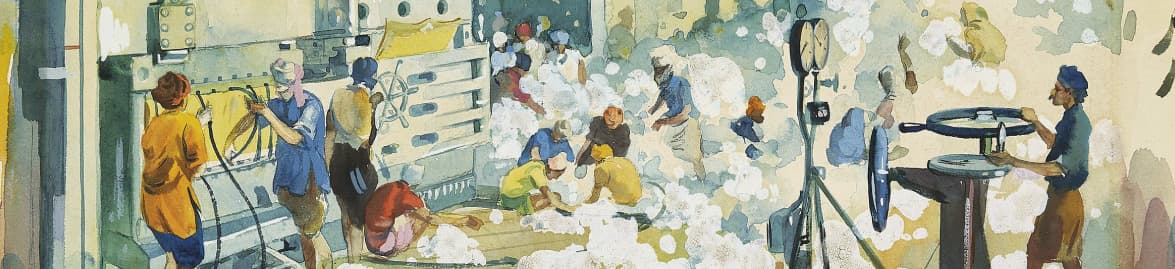
It is the journey of an artist evolving with innovation, self-discovery, and cultural resonance. Modern Indian masters like Sakti Burman, Jamini Roy, S H Raza, M F Husain, and Rameshwar Broota represent this evolutionary process, making their unique identities while leaving their marks on the art world. Their works shine as a harmony of tradition, experimentation, and modernity to illustrate the richness and depth of Indian art.
Sakti Burman: Mythical Realms and Dreamscapes
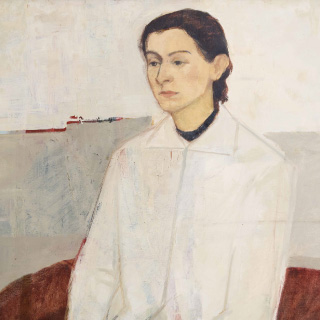
Sakti Burman's oeuvre is dreamlike, in the sense that it bridges the mythical and the real. His work shows a capacity to tell complex stories across cultures and time. His work has evolved over time from more representational approaches to a very distinctive style marked by vibrant colours and delicate textures. Influenced by the European art tradition and his Indian background, most of his works are fantasy worlds inhabited by creatures that are hybrid in nature. This is more of a fusion of folklore with personal imagination. This development reveals his strong sense of universality and human existence.
Jamini Roy: A Re-definition of Simplicity and Tradition
The artistic career of Jamini Roy is a saga of his constant pursuit of simplicity and cultural tradition. He drew heavily from traditional Bengali folk art. In the early stages of his career, Roy's style was academic realism but he soon abandoned that for a more indigenous aesthetic. Embracing flat, bold lines and vibrant palettes, Roy's art reflects his desire to create a truly Indian visual language. Evolution itself is a throwback to origins, where Roy found sustenance in daily life and rituals of rustic India. Here lies Roy's durable legacy: the elevation of folkloric traditions towards fine art—making them accessible on a mass basis.
S H Raza: The Journey From Landscapes to Bindu
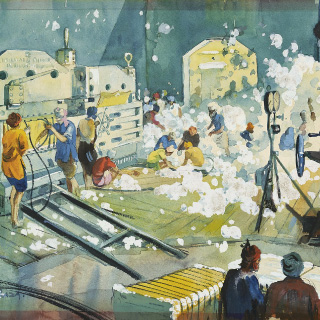
S H Raza's progression as an artist is in tandem with his work on identity as well as religiosity. Early in his career, he focused on capturing the essence of his surroundings with striking realism. However, as his career progressed, Raza’s style shifted towards abstraction, culminating in the creation of his signature motif, the Bindu. This transformation was driven by his philosophical inquiry into the concepts of unity and existence. In his art, Raza found a way to meditate, as geometric shapes and vibrant colours evoked the cosmos and the transcendent. He moved from figurative to abstract, with a tenacity for self-expression and universal truth.
M F Husain: The Modern Chronicler of Indian Tales

With a career replete with variety, M F Husain had a dynamic presence in the narrative of Indian culture and mythology. Starting as a billboard painter, Husain evolved into a bold, expressive style that placed Indian narratives at the forefront of contemporary art. His development as an artist was marked by a willingness to experiment with form and content, yet remain deeply rooted in his cultural ethos. He captures the vibrancy of India and its energy with fluid lines and vibrant compositions, making him one of the most recognisable figures in modern Indian art.
Rameshwar Broota: Decoding Human Existence
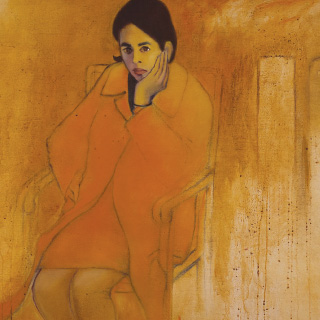
The artistic trajectory of Rameshwar Broota has been a strong exercise in the exploration of human vulnerability and societal critique. He delves into existential themes, exploring them with a stark, introspective lens. His early satirical paintings gave way to a more refined, layered technique, where he meticulously scraped away paint to reveal intricate forms and textures. This unique method reflects his commitment to uncovering the complexities of human existence. Broota's evolution signifies a shift from outward commentary to inward exploration, creating a deeply personal yet universally resonant body of work.
The Collective Legacy
These modern masters represent the diversity of Indian art, each journey adding a unique voice to the collective narrative. Their ability to adapt, innovate, and remain authentic to their vision underlines the relevance of their work even today. From Sakti Burman's mythical dreamscapes to Rameshwar Broota's introspective masterpieces, these artists have redefined the boundaries of creativity, leaving a legacy that continues to inspire and resonate.
It is very interesting to review their artistic travelogues, finding the story not only of individuals but also of the entire cultural tapestry of India reflected in the continuously changing identity on the world canvas.