nandalal bose - his journey from student to national art icon
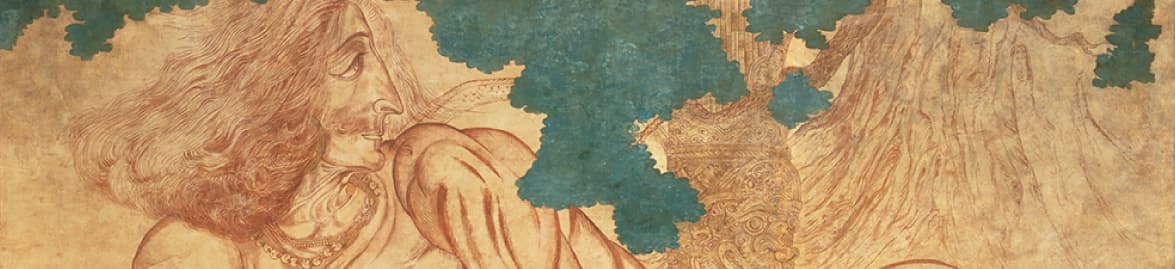
Nandalal Bose was one of the most prominent Indian artists of the 20th century, known for his role in the development of modern Indian art, and for his contributions to India's nationalist movement through his art. His journey from student to national art icon is both inspiring and deeply intertwined with India’s cultural and political landscape.
Early Life & Education:
Nandalal Bose was born on December 3, 1882, in the village of Kharagpur in Bihar, India. From an early age, he displayed a keen interest in drawing. His formal education in art began when he joined the Government School of Art in Kolkata (then Calcutta), where he studied under the guidance of E B Havells and the renowned artist Abanindranath Tagore, the leader of the Bengal School of Art.
Bose was not just a traditional student; he quickly embraced the Bengal School’s philosophy, which aimed to blend Western techniques with Indian artistic traditions. This style sought to revive traditional Indian art forms, particularly those found in miniatures and frescoes, while also modernising them.
Becoming A Prominent Artist:
After completing his education, Nandalal Bose spent time working under Abanindranath Tagore, and it was during this period that he found his true artistic voice. His works were characterised by a sense of rhythm, harmony, and national identity. He drew inspiration from traditional Indian art forms, such as Mughal miniatures and Ajanta frescoes, and blended them with elements of modernism.
Bose was also significantly influenced by Japanese art, especially during the period when he was developing his unique artistic style. His engagement with Japanese art was particularly evident in his exploration of woodcut prints, a technique that originated in Japan and which he adopted and adapted to his own artistic sensibilities.
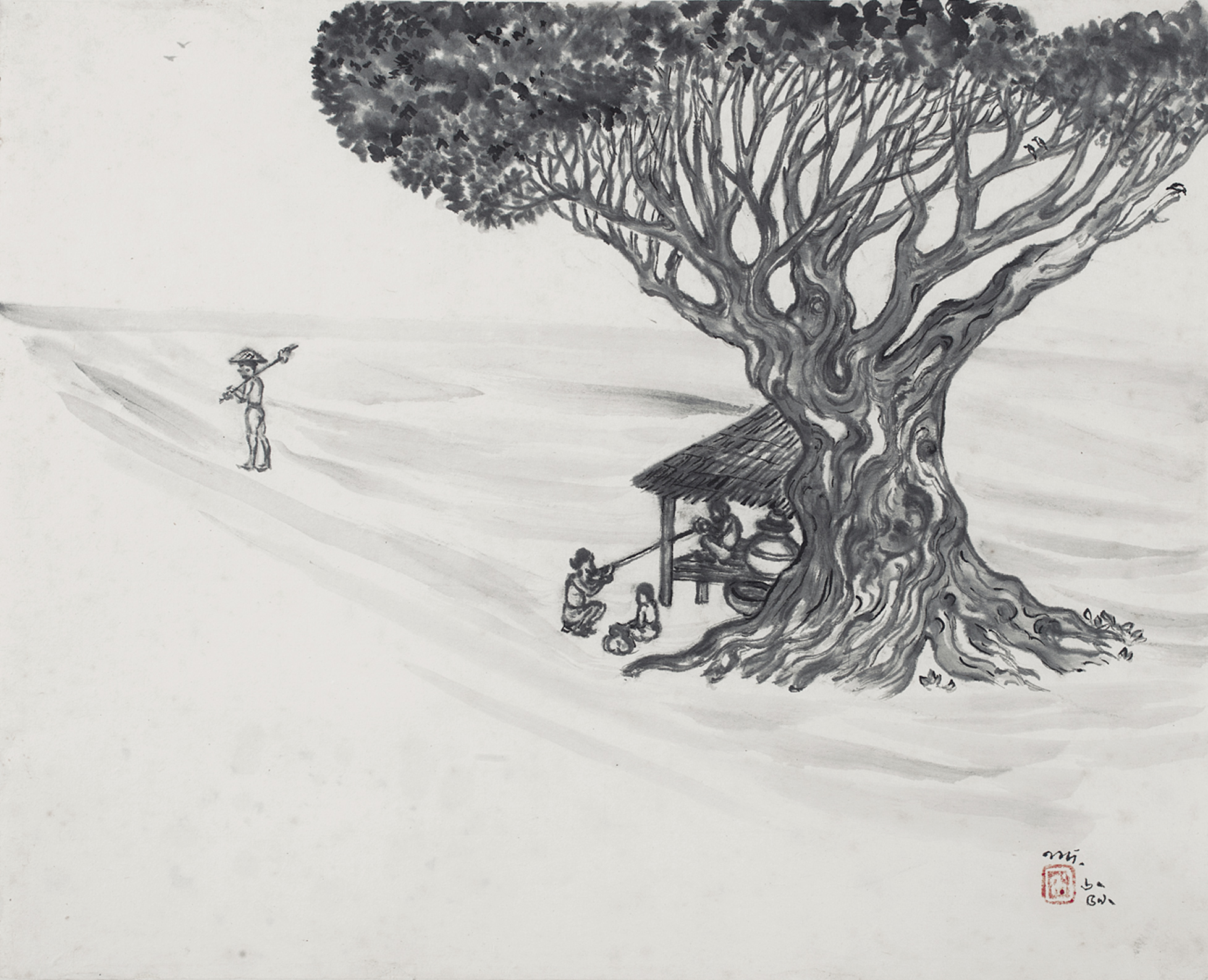
This influence can also be observed through his use of a muted or subdued colour palette, a characteristic feature of Japanese prints, which influenced Nandalal’s approach to colour in his works. Instead of relying on bright or vivid colours, he used a more restrained palette that lent his works a tranquil and harmonious feel, reminiscent of Japanese ukiyo-e prints. In his depiction of landscapes, figures, and everyday life, there was a notable shift toward simplified forms and more subtle use of colour, which was a departure from the highly detailed academic realism that was popular in colonial-era art.
Involvement With The Nationalist Movement:
Bose’s work was influenced not only by aesthetic considerations but also by his growing participation in India's nationalist movement. As India struggled for independence from British colonial rule, artists like Nandalal Bose used their works to reflect the nation’s cultural renaissance and to challenge colonial ideologies.
In 1921, he was appointed the principal of the Kala Bhavana (Art Department) at Visva-Bharati University in Santiniketan, founded by Rabindranath Tagore. This was a turning point in Bose's career, as he became a central figure in promoting the idea of Indian art that was free from Western influence.
Major Works & National Icon Status:
One of Nandalal Bose’s most significant contributions came during his involvement with the Indian government’s art commissions. Perhaps his most iconic work is his involvement in illustrating the “Bharat Mata” (Mother India) images, and the depiction of Indian mythology and folk traditions in a modern expression.
His art was also deeply integrated into India’s political movements. Nandalal Bose's Haripura posters are considered to be amongst some of the most iconic works of Indian art, created in 1938 for the Indian National Congress session. These posters are some of his most famous creations and are deeply linked to the nationalist movement in India. He was commissioned by Mahatma Gandhi to paint murals for the new capital of the Indian National Congress in Haripura, which led to his famous series of works on the “Mahabharata” and “Ramayana”. This not only cemented his position as a nationalist artist but also contributed to the visual identity of Indian art during the freedom struggle.
Many of his nature-inspired art celebrates everyday people peasants, workers, and other marginalised groups representing the collective spirit of the nation. His style reflects a fusion of folk art with elements of modernist art, especially with the use of simplified forms and rhythmic brushstrokes. These works have had a lasting influence on the development of Indian modern art.
The “Shiva and Sati” painting by Nandalal Bose and other early works such as the “Mahishasura Mardini” (Durga), showcased his mastery of Indian art forms and was also a reflection of his deep engagement with Indian culture and mythology themes.
His most notable commission was to illustrate the “Constitution of India” in 1950. His artistic style, which mixed traditional Indian iconography with modern sensibilities, became a symbol of India's new identity post-independence.
The Artist's Legacy - Contributions To Modern Indian Art & Culture
Nandalal Bose’s legacy extends far beyond his role as an artist. He contributed to the founding of the modern art movement in India and was instrumental in shaping its national identity. His works today are seen as crucial to understanding the cultural resurgence that accompanied India's struggle for independence.
Bose's influence is still felt today, particularly in institutions like Santiniketan, which remains a hub for artists and scholars interested in Indian culture and art. His works are considered national treasures and are preserved in many prominent museums, including the National Gallery of Modern Art in New Delhi, and continue to inspire generations of Indian artists.
The artist passed away on April 16, 1966, but Nandalal Bose’s contributions to modern Indian art and Indian culture continue to resonate, and he is remembered as one of the country’s greatest national art icons.