overview of mughal paintings during jahangir time
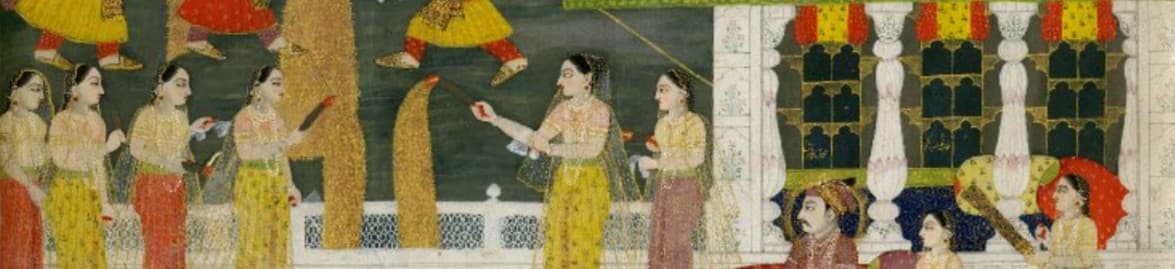
Mughal paintings during Jahangir’s time (1605–1627) are celebrated not only for their technical brilliance but also for the depth of meaning embedded in every brushstroke. Jahangir, the fourth Mughal emperor, was a keen connoisseur of art and had a particular fascination with detail, nature, and symbolism. His reign saw Mughal painting reach new heights, incorporating allegorical elements that communicated messages of power, spirituality, and cultural sophistication.
The Role of Symbolism in Jahangir’s Court
Symbolism in Mughal paintings was often used to convey messages beyond mere visual representation. Every motif, gesture, and color could carry a deeper meaning. Under Jahangir, this practice became more pronounced:
• Royal Authority: The emperor himself was frequently depicted surrounded by symbols of power, such as the throne, the sun, or a halo-like aura. These were not just decorative, they reinforced the divine legitimacy of his rule.
• Virtue and Moral Lessons: Paintings often included allegorical representations of justice, mercy, and wisdom. Artists used animals, natural elements, or mythical motifs to embody these virtues.
• Spiritual Symbolism: Islamic motifs and Persian influences were combined to reflect Jahangir’s interest in spirituality. The delicate use of floral patterns and celestial imagery often hinted at cosmic harmony and divine order.
Allegory Through Nature
Jahangir’s fascination with the natural world was well-known. His love for botanical and zoological accuracy was more than scientific, it was allegorical. For instance:
• Birds and Animals: Certain birds, like the falcon, symbolized strength and authority, while the nightingale often represented love or poetic inspiration.
• Floral Motifs: Flowers were not just decorative; they could signify purity, beauty, or the fleeting nature of life. Paintings of gardens often alluded to paradise or moral ideals.
This blend of realism with symbolic meaning is one of the defining features of Mughal paintings during Jahangir’s time.
Allegory in Court Portraiture
Portraits were another significant medium for allegory. Jahangir preferred realistic depictions, but these images were carefully crafted to communicate:
• Power and Prestige: The emperor was often shown in stately poses, holding symbols like the globe or sword, emphasizing his universal authority.
• Harmony and Justice: Scenes showing Jahangir with courtiers or in judicial contexts allegorized his role as a fair and enlightened ruler.
• Cosmic Order: Some portraits included celestial or natural backgrounds, suggesting the emperor’s harmony with the universe.
Influence of Persian and European Art
Jahangir’s era was marked by cross-cultural influences. Persian miniatures contributed to symbolic and allegorical traditions, while European prints introduced new perspectives and techniques. These external elements were seamlessly integrated, enhancing the allegorical richness of Mughal paintings.
Famous Mughal Paintings During Jahangir Time
Some of the most celebrated Mughal paintings during Jahangir’s reign include:
• Jahangir Preferring a Sufi Shaikh to Kings – A symbolic court painting illustrating Jahangir’s piety and humility, showing the emperor seated above foreign rulers while honoring a spiritual figure.
• Emperor Jahangir Holding a Globe – A portrait depicting Jahangir holding a globe, symbolizing his worldly authority and intellectual curiosity.
• The Falconer – Showcasing the emperor’s love for falconry, this painting demonstrates precise detailing of the bird and the courtly setting.
• Studies of Animals and Birds by Ustad Mansur – Hyper-realistic illustrations of tigers, birds, and other wildlife that highlight Jahangir’s passion for nature.
• Lady with a Veil – Portraits of royal ladies that reflect exquisite detailing in clothing, jewelry, and facial expression.
Conclusion
Symbolism and allegory in Mughal paintings during Jahangir’s time were not mere artistic flourishes. They were a language through which ideas of power, morality, and spirituality were communicated. Jahangir’s meticulous patronage encouraged artists to blend realism with layered meanings, making this period one of the most intellectually and visually sophisticated in the history of Mughal art.
Image Credit:
“A firework display for Muhammad Sháh, portrayed seated and leaning against a bolster”, Mughal Style, via Wikimedia Commons
– Public Domain.