


pedagogical legacy of b. c. sanyal: influence on indian art education
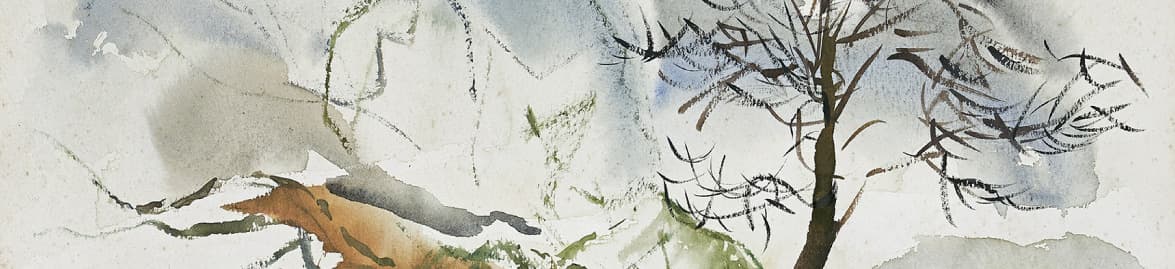
B. C. Sanyal, one of the foremost artists and educators in Indian art history, left an indelible mark on the development of modern art education in India. His contributions to the field extend beyond his own artistic creations, positioning him as a transformative figure in the evolution of Indian art pedagogy. As both an artist and a teacher, Sanyal's impact on the art education system, particularly through his association with the Government College of Art and Craft in Kolkata, is deeply ingrained in the history of modern Indian art.
Born on 22nd April 1902 in Dibrugarh, Assam, Sanyal’s early training in art was shaped by traditional methods of classical Indian art. He later studied at the prestigious Government College of Art and Craft in Kolkata, where he was exposed to modern European movements. This exposure to both Indian and Western artistic traditions was fundamental in shaping his unique approach to art and art education, which he passed on to countless students throughout his long and illustrious career.
Integration of Traditional and Modern Approaches
One of Sanyal’s most significant contributions to Indian art education was his ability to blend traditional Indian art techniques with modern Western approaches. At a time when Indian art was still grappling with its colonial past and seeking a modern identity, Sanyal's teachings provided a much-needed bridge between the rich, traditional artistic heritage of India and the modernist movements emerging in the West.
Sanyal believed that the study of Western techniques and styles was essential for Indian artists to thrive in the global art scene, but he also maintained a deep reverence for traditional Indian art forms. His pedagogical approach was holistic, emphasising the importance of understanding the roots of Indian art while encouraging his students to explore the possibilities of modern techniques. He integrated the study of Indian folk art, sculpture, and classical forms with the teachings of European Renaissance and contemporary movements, offering students a well-rounded education in both theory and practice.
Emphasis on Drawing and Fundamentals
A hallmark of Sanyal's teaching philosophy was his unwavering belief in the importance of drawing and mastering fundamental techniques. He often stated that a strong grasp of drawing was the foundation of any artist's journey. His emphasis on figure drawing, composition, and the study of anatomy became central to the curriculum at the Government College of Art and Craft, where he taught for many years.
For Sanyal, mastery of the basics provided the groundwork for artistic innovation. He encouraged his students to focus on technique first, believing that once the fundamentals were mastered, creativity could flourish without constraint. This emphasis on technical skill was a crucial part of the art education system that Sanyal helped to shape, instilling discipline and rigor in generations of artists.
While Sanyal placed great importance on drawing and foundational skills, he also believed in the necessity of experimentation. He encouraged his students to push the boundaries of their creativity by incorporating new materials, media, and styles into their work. This balanced approach to art education—where technical skill was complemented by creative freedom—became a hallmark of the institution and influenced a whole generation of artists who went on to define modern Indian art.
Sanyal’s influence extended far beyond his formal teachings. As an educator, he fostered an environment where students were encouraged to take risks and experiment with different mediums and techniques. He believed that art should not be confined to traditional boundaries and that an artist’s voice could be best expressed through personal exploration and innovation. His own artistic practice was marked by an openness to experimentation, a characteristic he passed on to his students.
Influence on the Development of Art Institutions in India
Sanyal’s work as an educator extended beyond the classroom. His influence on the development of art institutions in India, particularly at the Government College of Art and Craft in Kolkata, was profound. Under his leadership, the institution became a key centre for modern art education in India, helping shape the careers of many renowned Indian artists. His pedagogical methods and teaching philosophy left a lasting legacy that continues to influence art education today.
His involvement in developing art syllabi, focusing on studio practice, and advocating for both traditional and modern techniques in curricula are just some ways Sanyal helped shape the future of art education in India. His vision for a holistic approach to art education influenced generations of students, many of whom became key figures in Indian art.
Mentorship and the Art of Teaching
Sanyal was not only a teacher but also a mentor who believed in nurturing his students' personal growth and development. He took great care in fostering their individual artistic voices while encouraging them to develop their distinct styles and perspectives. His mentorship went beyond technical instruction; it focused on guiding students to understand their creative processes and find their place within the broader art world.
As a mentor, Sanyal’s influence was profound. His dedication to his students, unwavering belief in the importance of art in shaping cultural identity, and encouragement to explore new ideas made him a revered figure in Indian art education. Many of his students went on to become highly respected artists, educators, and curators who continue Sanyal’s legacy.
Legacy and Recognition
B. C. Sanyal’s contributions to art education have been recognised both in India and abroad. His role in developing modern art education has been foundational; his impact is still felt across institutions nationwide. His pedagogical legacy has not only shaped how art is taught but has also played a significant role in professionalising the Indian art community.
Through his work as an educator and mentor, B C Sanyal helped define modern Indian art education's contours, creating an atmosphere where artists could learn, grow, and contribute to India's evolving artistic landscape. His legacy as an educator continues to inspire new generations.
In conclusion, B. C. Sanyal’s pedagogical contributions were instrumental in shaping India's future art education landscape. By merging traditional techniques with modern practices while fostering creativity alongside technical skill development, he created a vibrant environment for aspiring artists. His legacy as a teacher, mentor, and visionary resonates strongly within Indian art education today.




