


pichwai cow paintings: symbolism of abundance & purity
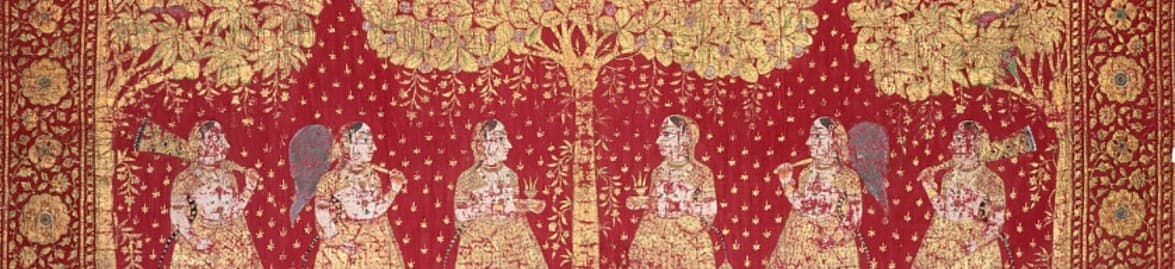
Pichwai cow paintings are among the most iconic expressions of Indian devotional art, deeply connected to the worship of Lord Krishna and the rich cultural heritage of Nathdwara in Rajasthan. While these paintings mesmerize viewers with intricate details, vibrant colors, and serene compositions, their true beauty lies in the profound symbolism they carry, especially the themes of abundance and purity.
The Root of the Symbolism: Krishna and the Holy Cow
In Hindu tradition, the cow is revered as a sacred, nurturing presence, often called Gaumata, the mother who sustains life. In Pichwai art, cows are depicted not merely as animals but as spiritual embodiments tied directly to Lord Shrinathji, a form of Krishna. Their presence in these paintings represents divine grace and the endless cycle of giving.
Symbolism of Abundance
The cow in Pichwai paintings symbolizes prosperity, nourishment, and an abundant life. This sense of abundance comes through in various ways:
•> Floral decorations: Cows are often adorned with lotuses, jewelry, and vibrant textiles which symbolize flourishing life and divine blessings.
•> Repetitive motifs: Groups of cows arranged in rhythmic patterns represent continuity, growth, and the infinite nature of blessings.
•> Lush backgrounds: Many Pichwai works depict lush greenery, blooming lotuses, and celebratory settings which reinforce the idea of abundant creation in the presence of the divine.
For the viewer or collector, such imagery is believed to invite prosperity, harmony, and wellbeing into the home.
Symbolism of Purity
Alongside abundance, purity is another core theme reflected in Pichwai cows, especially through the color white.
•> White cows symbolize innocence, calmness, and spiritual purity.
•> Their serene expressions and gracefully elongated forms convey a sense of inner peace.
•> The gentle posture of the cows, often gazing toward Krishna or resting softly, highlights their role as pure beings connected to divine energy.
This purity is not just physical but spiritual, representing a mind free from negativity and a heart aligned with devotion.
Artistic Elements That Express These Themes
Pichwai artists use a combination of visual techniques to communicate deeper meanings:
•> Detailed ornamentation emphasizes sacred beauty and divine richness.
•> Symmetry and balance signify universal harmony and order.
•> Muted yet rich color palettes such as gold, white, red, and lotus pink evoke piety and spiritual depth.
•> Expressions of gentleness in the cows’ eyes reflect humility and purity of heart.
Significance of Cow in Pichwai Painting
The cow holds a deeply sacred place in Indian culture, and its presence in Pichwai painting is far more than artistic ornamentation. Pichwai, a traditional art form from Nathdwara in Rajasthan, is dedicated to the worship of Lord Shrinathji, a form of Krishna. Within this devotional setting, the cow emerges as one of the most important and spiritually rich motifs.
•> A Symbol of Devotion to Lord Krishna
The cow is inseparable from the stories of Krishna, who spent his childhood among cows and cowherds in Vrindavan. In Pichwai art, cows often appear around Shrinathji, symbolizing their eternal bond with the divine. Their gentle posture and expressive eyes reflect devotion, innocence, and unconditional love toward God.
•> Representation of Purity and Peace
The cow in Pichwai paintings especially the white cow stands for purity, calmness, and spiritual clarity. Artists portray cows with graceful lines, soft expressions, and serene stances that embody inner peace. This purity is believed to bring harmony and positive energy to any space where the artwork is displayed.
•> A Sign of Prosperity and Abundance
Cows also represent material and spiritual abundance. In Pichwai paintings, they are often adorned with intricate jewelry, floral garlands, or lotus motifs. These decorations highlight the cow as a giver of nourishment and blessings. The repeated depiction of cows in groups symbolizes continuous prosperity and the ever-flowing grace of Shrinathji.
•> Guardians of Sacred Space
Pichwai artists frequently place cows as border elements or as companions surrounding Shrinathji’s central figure. This layout signifies protection of the divine presence. The cows form a spiritual perimeter, keeping the sacred environment pure and auspicious.
Why These Paintings Still Resonate Today
In modern homes and spaces, Pichwai cow paintings continue to symbolize timeless values. They are admired not just as art but as spiritual companions that remind viewers of peace, compassion, generosity, and divine connection.
Their symbolism speaks universally across cultures and generations, making them powerful additions to both traditional and contemporary environments.
Final Thoughts
Pichwai Cow Paintings: Symbolism of Abundance & Purity captures the essence of this sacred art form. Beyond their decorative appeal, these paintings carry centuries of devotion, cultural significance, and spiritual wisdom. Whether displayed in temples, homes, or art galleries, they remain enduring symbols of prosperity and pure divine grace.
Image Credit:
“Temple hanging (pechhavai)”, Unknown, via Wikimedia Commons
– Public Domain.




_-_Google_Art_Project.jpg)