


pichwai lotus painting - symbolism of purity & enlightenment
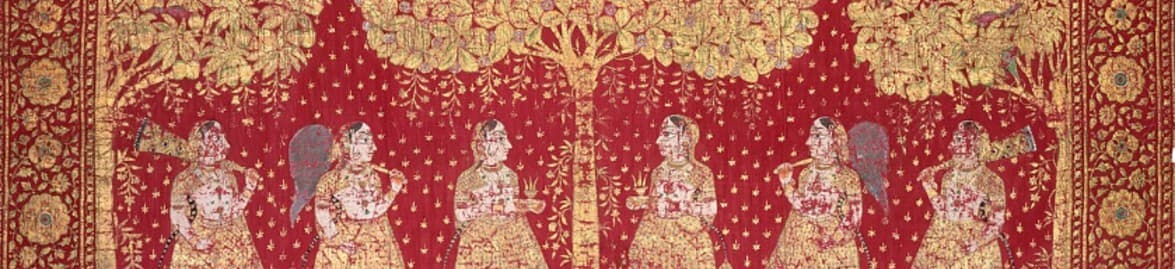
Pichwai paintings, with their rich colors and devotional themes, occupy a special place in Indian traditional art. Among the many motifs used in this sacred style, the lotus stands out as one of the most iconic. Whether depicted blooming across serene waters or placed at the feet of Lord Shrinathji, the lotus symbol in Pichwai art carries profound meaning. It embodies purity, spiritual awakening, beauty, and divine grace, making it central to the aesthetic and spiritual identity of Pichwai paintings.
Why the Lotus Is Central in Pichwai Art
Pichwai paintings originated more than 400 years ago in Nathdwara, Rajasthan. They were created to adorn temple walls and celebrate different aspects of Shrinathji's life. Within this devotional setting, the lotus became an essential visual element for several reasons:
1. Representation of Divine Purity
Shrinathji is often depicted standing on or surrounded by lotus blossoms, highlighting his divine nature. The lotus symbolizes his purity, untainted by earthly concerns, and reinforces his status as the supreme spiritual guide.
2. Symbol of Devotion and Offering
The lotus is considered one of the most auspicious offerings in Hindu worship. In Pichwai paintings, artists use a profusion of lotus flowers to symbolize the love, devotion, and reverence offered by devotees to the deity.
3. Depiction of a Sacred Environment
The background of Pichwai art often features lotus-filled ponds and lush landscapes. These elements evoke Vrindavan, the sacred abode associated with Lord Krishna, and create a divine atmosphere around the deity.
4. A Metaphor for Enlightenment
The lotus’s journey from mud to bloom parallels the spiritual journey of a devotee. In Pichwai art, it reflects the path from ignorance to enlightenment, reminding worshippers of the higher purpose of life.
Artistic Expression Through Lotus Motifs
Pichwai artists use the lotus with great creativity and technical finesse. You will find:
•> Large lotus blooms cradling Shrinathji
•> Trailing lotus vines filling the borders
•> Lotus lakes (Kamal Talai) forming scenic backgrounds
•> Delicate lotus buds representing new beginnings
•> Lotus patterns adorning clothing, jewelry, and decorative elements
These motifs are executed with meticulous detail, making each painting a blend of devotion and fine craftsmanship.
Significance of Lotus in Pichwai Painting
The lotus is one of the most revered motifs in Indian art, and its presence in Pichwai painting carries deep spiritual and symbolic significance. Within the devotional context, the lotus is more than a decorative element; it represents purity, divine beauty, and spiritual awakening.
•> Symbol of Purity and Divine Grace
In Pichwai art, the lotus often accompanies cows, peacocks, or Shrinathji himself. Despite growing in muddy waters, the lotus blooms unstained, symbolizing purity, detachment, and spiritual elevation. Its inclusion in Pichwai paintings conveys the message of rising above worldly impurities while remaining connected to the divine.
•> Connection to Lord Krishna
The lotus has a special connection to Lord Krishna, who is frequently depicted with lotus flowers in his hands, hair, or surroundings. In Pichwai paintings, lotus motifs around Krishna or cows signify divine blessings, auspiciousness, and devotion. It reminds the devotee of Krishna’s presence in every aspect of life and nature.
•> Symbol of Abundance and Prosperity
Lotuses also symbolize growth, abundance, and spiritual wealth. Pichwai artists often depict lush lotus ponds, blooming flowers, and petals surrounding sacred figures, emphasizing the richness of life and divine generosity. The repeating pattern of lotus flowers in a painting enhances the sense of continuous blessings and prosperity.
Color Significance in Lotus Depictions
Colors in Pichwai lotus paintings are never arbitrary. Traditional artists choose hues that elevate the spiritual essence of the artwork:
•> Pink and red lotuses symbolize love, purity, and divine beauty
•> White lotuses represent enlightenment and transcendence
•> Blue lotuses highlight cosmic energy and the mystical aspects of divinity
Together, these shades transform the canvas into a symbolic representation of spiritual awakening.
Purity and Enlightenment in Everyday Life
Beyond their religious context, Pichwai lotus paintings carry messages that resonate with modern audiences. The lotus encourages viewers to remain grounded yet spiritually elevated, to rise above difficulties, and to pursue clarity of thought. The artwork becomes not just decorative but deeply inspirational.
Conclusion
The lotus in Pichwai paintings is far more than a floral motif. It is a powerful symbol of purity, enlightenment, and divine connection. Its presence transforms each artwork into a visual prayer, reminding viewers of the beauty of spiritual growth. As Pichwai art continues to gain global appreciation, the timeless symbolism of the lotus remains at its heart, inspiring both devotion and aesthetic admiration.
Image Credit:
“Temple hanging (pechhavai)”, Unknown, via Wikimedia Commons
– Public Domain.




_-_Google_Art_Project.jpg)