pierre auguste renoir | paintings for sale, auction results & history
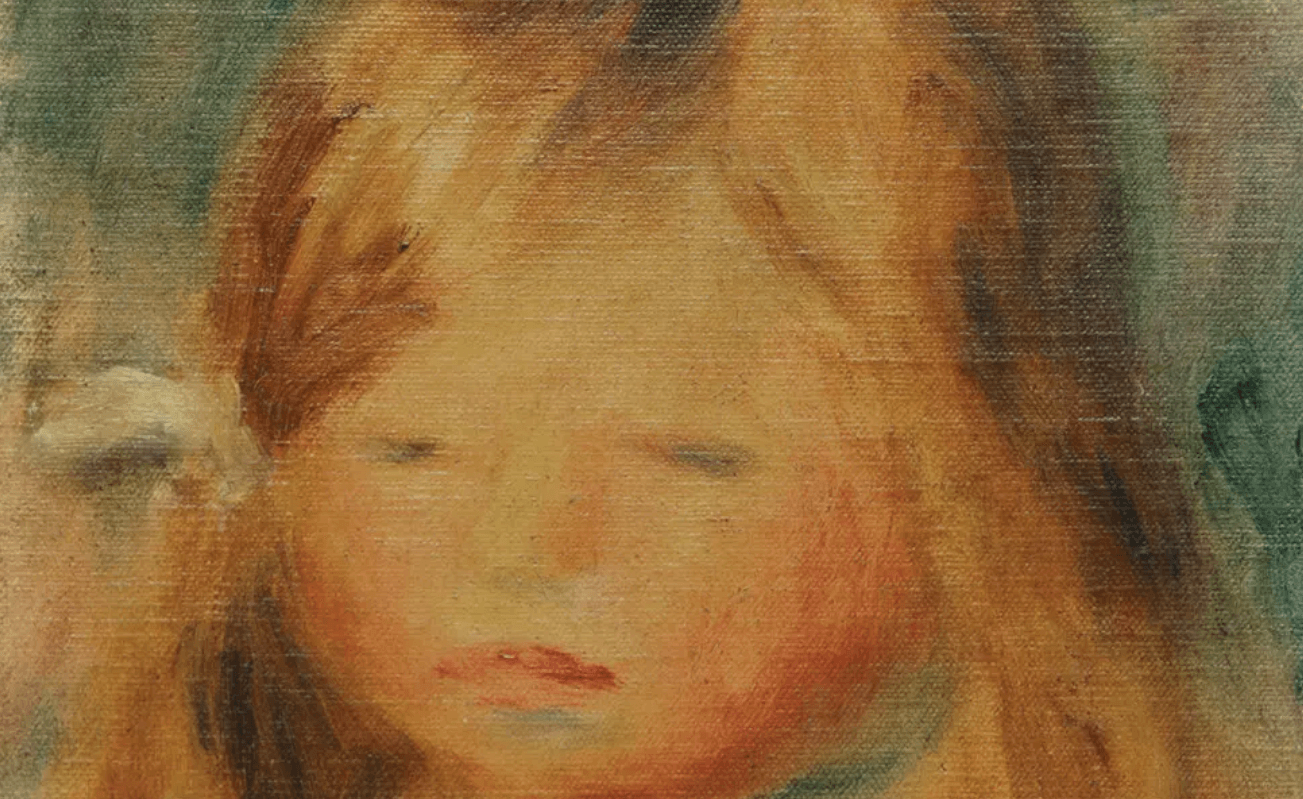
Artist Profile: Pierre Auguste Renoir (1841–1919)
Name: Pierre Auguste Renoir
Born: February 25, 1841 (Limoges, France)
Died: December 3, 1919 (Cagnes-sur-Mer, France)
Art Style: Impressionism (later developed into a more Classical style)
Famous Artworks: Dance at Le Moulin de la Galette (1876), Luncheon of the Boating Party (1881), The Umbrellas (1885), The Bathers (1918–1919).
Family
Parents: Father: Léonard Renoir, Mother: Marguerite Merlet.
Wife: Aline Charigot.
Children: Pierre Renoir (1885–1952): Actor, Jean Renoir (1894–1979): Renowned film director (The Rules of the Game, Grand Illusion), Claude Renoir (1901–1969): Cinematographer.
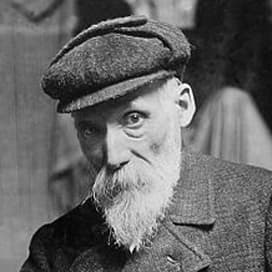 Pierre Auguste Renoir Biography
Pierre-Auguste Renoir (also known as simply Auguste Renoir) was a leading French painter and a central figure in the Impressionist movement, celebrated for his vibrant use of color, light, and his focus on capturing beauty in everyday life. Born on February 25, 1841, in Limoges, France, Renoir began his artistic career as a porcelain painter before studying at the École des Beaux-Arts in Paris.
Pierre Auguste Renoir’s early works reflected the influence of Realism, but his artistic voice fully developed as he joined forces with other Impressionists such as Claude Monet, Edgar Degas, and Camille Pissarro. His paintings often depicted scenes of leisure cafés, dances, gardens, and intimate portraits filled with warmth, movement, and luminosity. Renoir was particularly drawn to the human figure, especially women, whom he painted with a sense of tenderness and sensuality.
Notable works include Dance at Le Moulin de la Galette (1876), Luncheon of the Boating Party (1881), and countless radiant portraits. These works exemplify Renoir’s mastery of capturing fleeting moments and his gift for infusing compositions with a sense of joy and harmony.
Later in life, despite suffering from severe arthritis that limited his mobility, Renoir continued to paint with brushes strapped to his hands, demonstrating remarkable resilience and dedication to his art. His later style became more classical, emphasizing form and structure while still retaining his luminous palette.
Pierre Auguste Renoir’s legacy endures as one of the most beloved Impressionists, whose art continues to embody beauty, intimacy, and the richness of everyday life. He passed away on December 3, 1919, in Cagnes-sur-Mer, France, leaving behind an extraordinary body of work that remains celebrated worldwide.
Painting Style and Themes
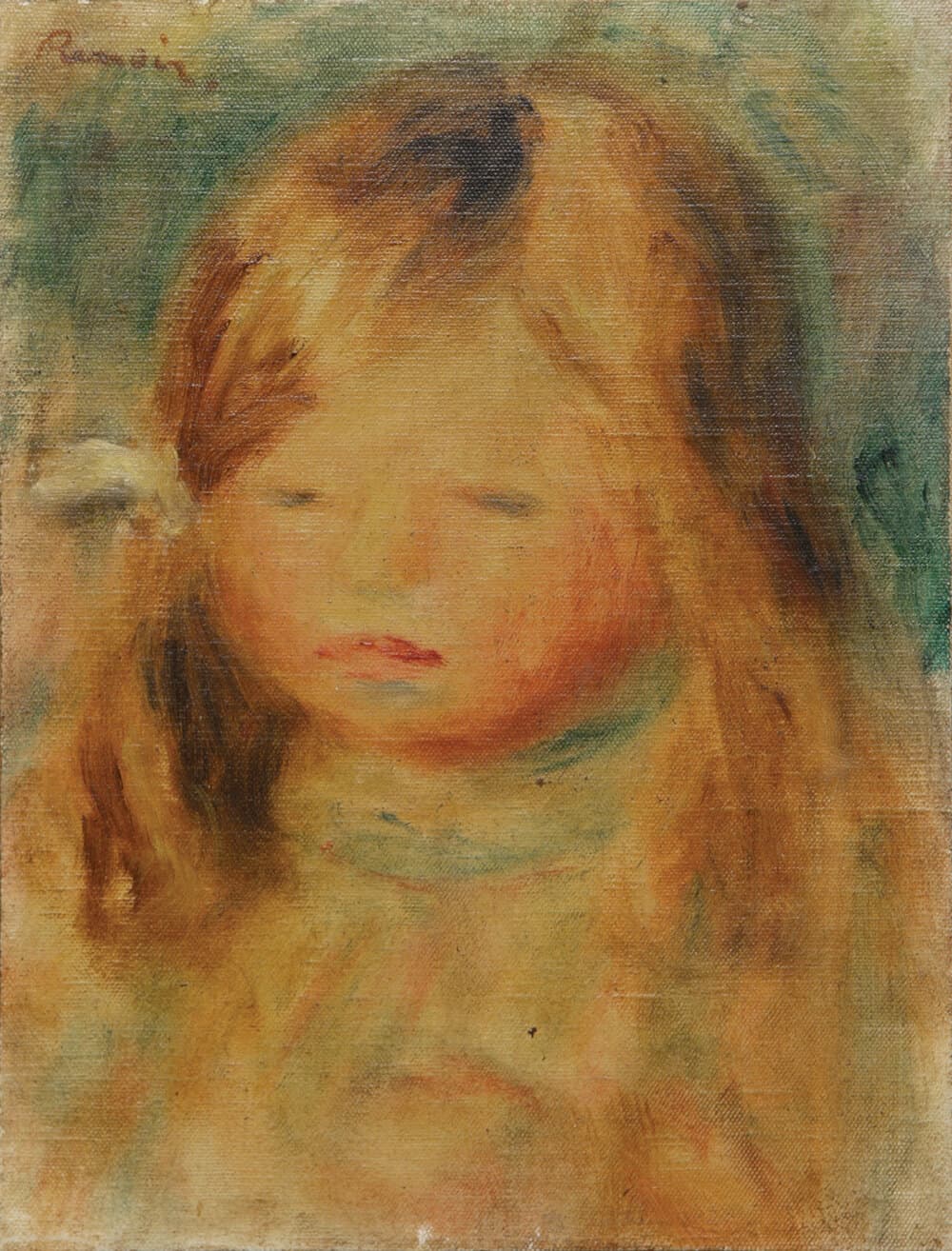
Pierre Auguste Renoir’s painting style was deeply rooted in Impressionism, characterized by his desire to capture fleeting moments and the changing effects of light. He used short, broken brushstrokes, soft edges, and pure, unmixed colors placed side by side to achieve luminosity and vibrancy. Rather than focusing on strict outlines or defined forms, he emphasized the play of light on surfaces especially on skin, fabric, and foliage. His warm color palette, filled with glowing pinks, reds, golds, and soft blues, gave his paintings a sense of radiance and life, much like sunlight filtering through the air. Renoir’s brushwork was loose yet controlled, lending a silky, tactile quality to textures such as fabric and skin. Over time, his style evolved toward smoother, more defined forms as he gradually moved away from pure Impressionism. He believed that art should celebrate beauty and harmony, famously saying, “Why shouldn’t art be pretty? There are enough unpleasant things in the world”.
The themes in Pierre Auguste Renoir’s artwork often reflect his fascination with joy, sensuality, and the pleasures of everyday life. He loved to depict scenes of contemporary Parisian leisure, dancing, dining, boating, and social gatherings capturing the warmth and camaraderie of modern life. Paintings like Dance at Le Moulin de la Galette (1876) and Luncheon of the Boating Party (1881) exemplify his ability to infuse ordinary moments with sunlight, color, and movement. The female figure was central to Renoir’s art, portrayed as graceful, radiant, and sensual. He idealized the female body, focusing on softness and warmth rather than strict realism, as seen in works such as The Bather, Gabrielle with a Rose, and Young Girls at the Piano. Renoir was also an accomplished portraitist, capturing not only the likeness but the personality and intimacy of his subjects. He frequently painted children and family scenes, expressing affection and domestic joy through gentle, idyllic compositions.
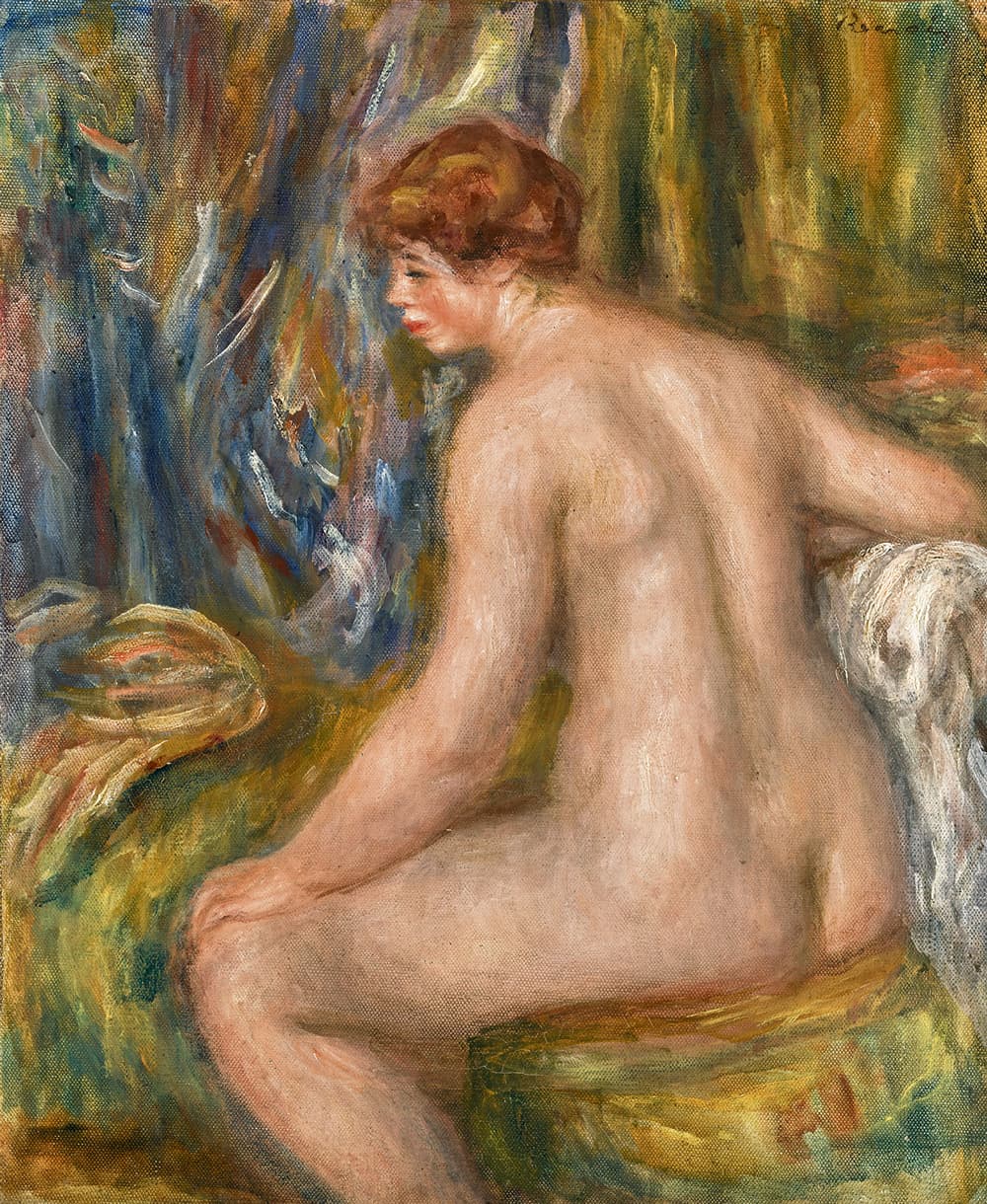
In his later years, Pierre Auguste Renoir’s work shifted toward classical themes influenced by the great masters of the Italian Renaissance, such as Raphael and Titian. His late paintings feature voluptuous nudes, smoother modeling, and a stronger emphasis on form and composition. Over the course of his career, Renoir’s art evolved from the loose, light-filled brushwork of his early Impressionist period in works like La Grenouillère, to more structured and refined compositions in the 1880s such as The Umbrellas, and finally to the monumental, classical nudes of his late period, including The Bathers and Sleeping Bathers. Throughout these stylistic changes, Renoir remained dedicated to celebrating beauty, warmth, and the human spirit, leaving behind a legacy of joy and sensuality that continues to define his place in the history of art.
Main Influences
• Classical Masters – Early in his career, Pierre Auguste Renoir studied and copied works by Ingres and Raphael, learning the importance of line, composition, and form.
• Édouard Manet – Manet’s modern approach and use of light and color had a strong impact on Renoir’s development, especially in portraying contemporary life.
• Claude Monet – Pierre Auguste Renoir was heavily influenced by Monet’s treatment of light and color. Together with Monet, Pissarro, and others, he co-founded Impressionism in the 1870s.
• Japanese Art (Japonisme) – Like many Impressionists, Pierre Auguste Renoir admired Japanese prints for their composition, flat color planes, and decorative patterns, which subtly influenced his work.
Interesting Facts
•> Early Career in Porcelain Painting - As a child, Pierre Auguste Renoir was apprenticed at a porcelain factory, where he became adept at decorating fine China. His early mastery of color and brushwork came from hand-painting dishes and fans.
•> He Co-Founded Impressionism - Pierre Auguste Renoir was a core figure in the first Impressionist exhibition in 1874, working closely with Monet, Sisley, and Bazille to revolutionize painting by focusing on fleeting effects of light and real-life moments.
•> He Refused to Use Black for Shadows - Unlike traditional painters, Pierre Auguste Renoir famously rejected the use of black and brown for shadows and instead used subtle mixes of blues, greens, and purples; a radical decision that defines Impressionist color.
•> Renoir Survived Execution as a Suspected Spy - During the violent Paris Commune of 1871, Pierre Auguste Renoir was painting by the Seine when revolutionaries suspecting he was a government spy, arrested him and nearly drowned him or put him before a firing squad. He was only spared when a revolutionary leader, Raoul Rigault, recognized Renoir as the man who had once saved his life years before by hiding and feeding him during a previous regime.
•> Renoir Painted Despite Crippling Arthritis - In his later years, Pierre Auguste Renoir developed severe rheumatoid arthritis, which so disabled his hands that he had brushes strapped to his wrists yet he continued painting masterpieces through immense pain and physical limitation.
Related Categories
• Impressionism
Related Artists
• Henri Matisse
Past Auctions
Interested in this artist? - Get in touch!