


qing dynasty art: a rich tradition of craftsmanship & imperial patronage
.jpg&w=3840&q=75)
The Qing Dynasty, the last imperial dynasty of China, was founded in 1644 by the Manchu people, an ethnic group from northeastern China. It marked a significant era in Chinese history, lasting until 1912 when the monarchy was overthrown and the Republic of China was established. The Qing Dynasty succeeded the Ming Dynasty, and under its rule, China expanded to its greatest territorial extent, becoming a major global power. During this period, the Qing emperors consolidated power, reformed the government, and developed a unique blend of Manchu and Chinese traditions, influencing the country’s culture, language, and political structures.
Throughout the Qing Dynasty’s reign, its rulers emphasized the importance of preserving traditional Chinese culture while incorporating their own distinct Manchu customs. The language of the court was Manchu, but the majority of the population spoke Chinese dialects, particularly Mandarin, making the dynasty a fascinating fusion of cultures. The Qing also contributed to the development of art, literature, and philosophy, influencing Chinese society for centuries. Despite its decline in the 19th century due to internal unrest and foreign invasions, the Qing Dynasty remains a pivotal chapter in the history of China, shaping its language, culture, and legacy for future generations.
History Of The Qing Dynasty
The Qing Dynasty was founded by the Manchu people in 1636, who originated from northeastern China. The dynasty came to power after the fall of the Ming Dynasty and marked the start of a new era of imperial rule. Under Qing emperors such as Kangxi, Yongzheng, and Qianlong, China reached its territorial peak, incorporating vast regions and different ethnic groups. This period of stability fostered the growth of the arts, with a strong emphasis on preserving traditions while encouraging innovation. The imperial court, which had long been a patron of art, continued to play a central role in both the creation and collection of art.
Patronage Of The Court & Royal Workshops
The Qing emperors were not only political rulers but also avid patrons of the arts. They set up royal workshops and encouraged artists, artisans, and scholars to create works that showcased the dynasty’s strength, cultural heritage, and refinement. Emperors like Kangxi and Qianlong were personally involved in the commissioning of works, which often reflected their tastes and political agendas.
The Imperial workshops, particularly those at the Forbidden City in Beijing, employed skilled artisans who produced art under the direct guidance of the emperor. These workshops specialised in various crafts, including ceramics, textiles, lacquerware, and painting. The patronage extended beyond production, with the Qing court also being an active participant in the collection of existing works, especially ancient Chinese art and antiquities. This collection played an essential role in preserving and promoting Chinese culture and history.
Ceramics: Masterpieces Of The Qing Period
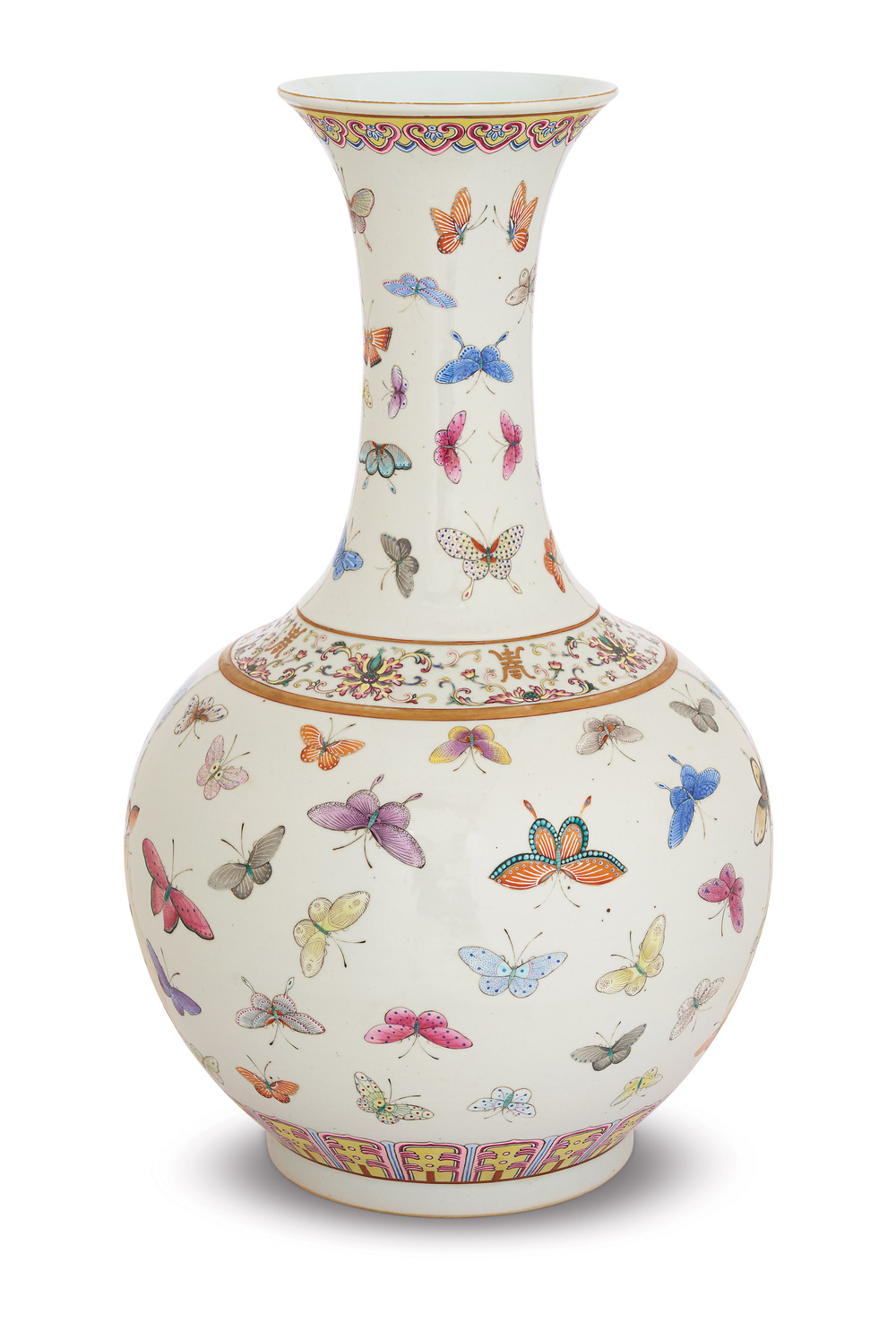 One of the most celebrated art forms of the Qing Dynasty is ceramics, particularly porcelain. The Qing emperors were instrumental in perfecting porcelain techniques, producing some of the most exquisite ceramics in Chinese history. Qing porcelain was characterised by its intricate designs, vibrant colours, and technical precision. The Imperial kiln at Jingdezhen, known as the "porcelain capital" of China, was central to the production of high-quality wares, and the Qing emperors invested heavily in its development.
The ceramics produced during the Qing era were used for both practical and ceremonial purposes, but they also became symbols of wealth and status. The royal court commissioned large quantities of porcelain, including vases, bowls, and plates, which were often decorated with intricate patterns depicting mythical creatures, nature scenes, and historical motifs. These works were not only admired for their beauty but also for their role in demonstrating imperial authority and culture. The renowned "famille rose" style, which featured soft pastel colours and delicate floral designs, is one of the most iconic examples of Qing porcelain.
Decorative Arts: Rich Variety Of Craftsmanship
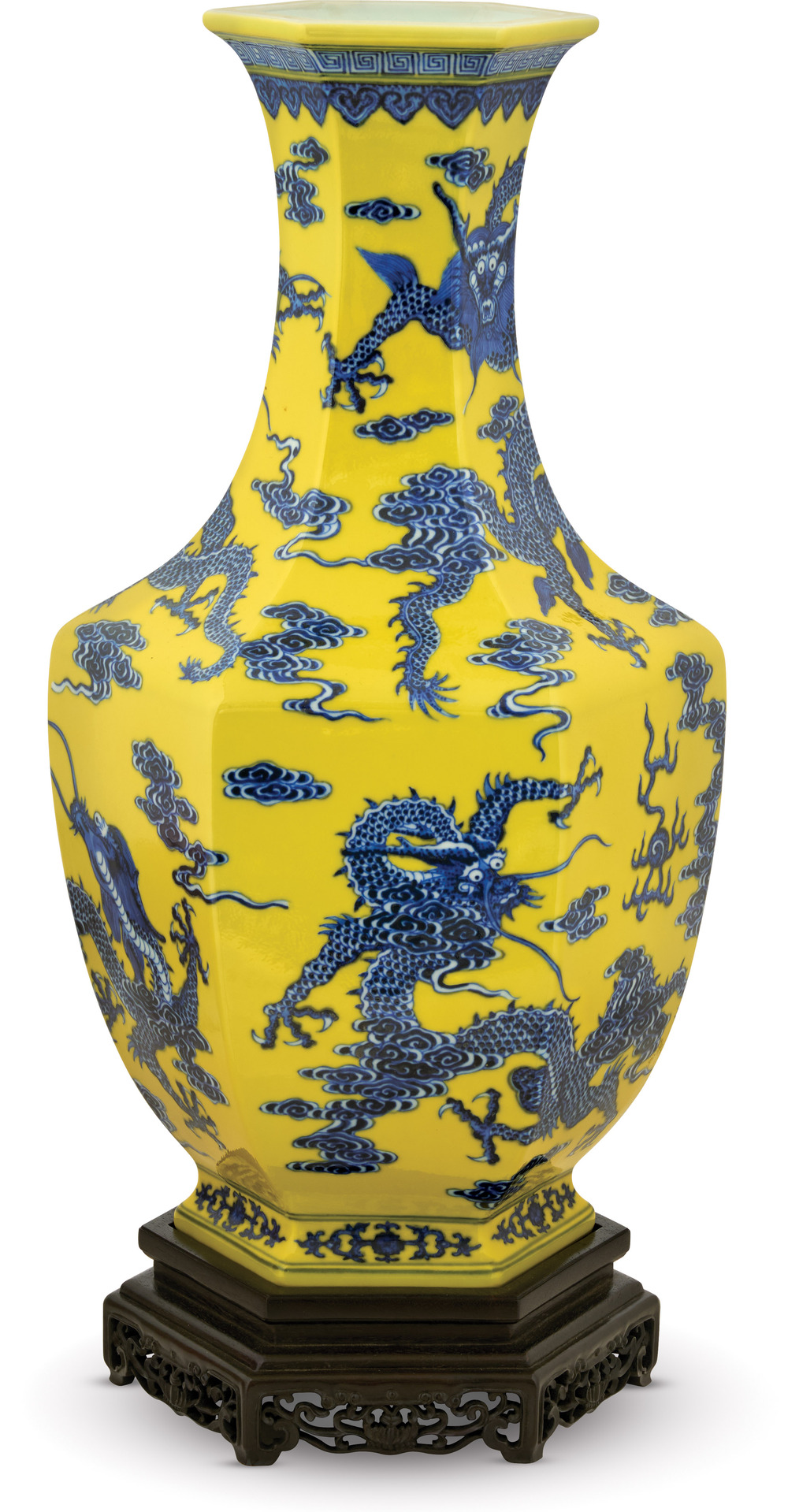 The Qing Dynasty saw the development of a wide variety of decorative arts, all of which were essential to the aesthetic sensibilities of the time. This includes lacquerware, textiles, jade carving, and furniture. Lacquerware, for instance, was highly valued for its intricate, polished finish and decorative motifs. Qing craftsmen perfected techniques that resulted in beautifully crafted boxes, trays, and screens, often adorned with inlay work or painted designs that reflected themes of prosperity, longevity, and natural beauty.
In addition, Qing textiles, especially silk, became increasingly refined. The production of embroidered robes, tapestries, and court garments was important not only as a fashion statement but also as a sign of social and political standing. The production of elaborate jade carvings reached a new level of sophistication, with the Qing emperors commissioning exquisitely crafted objects, including ritual vessels, pendants, and furniture, made from this precious stone.
Painting & Calligraphy: The Intellectual Expression
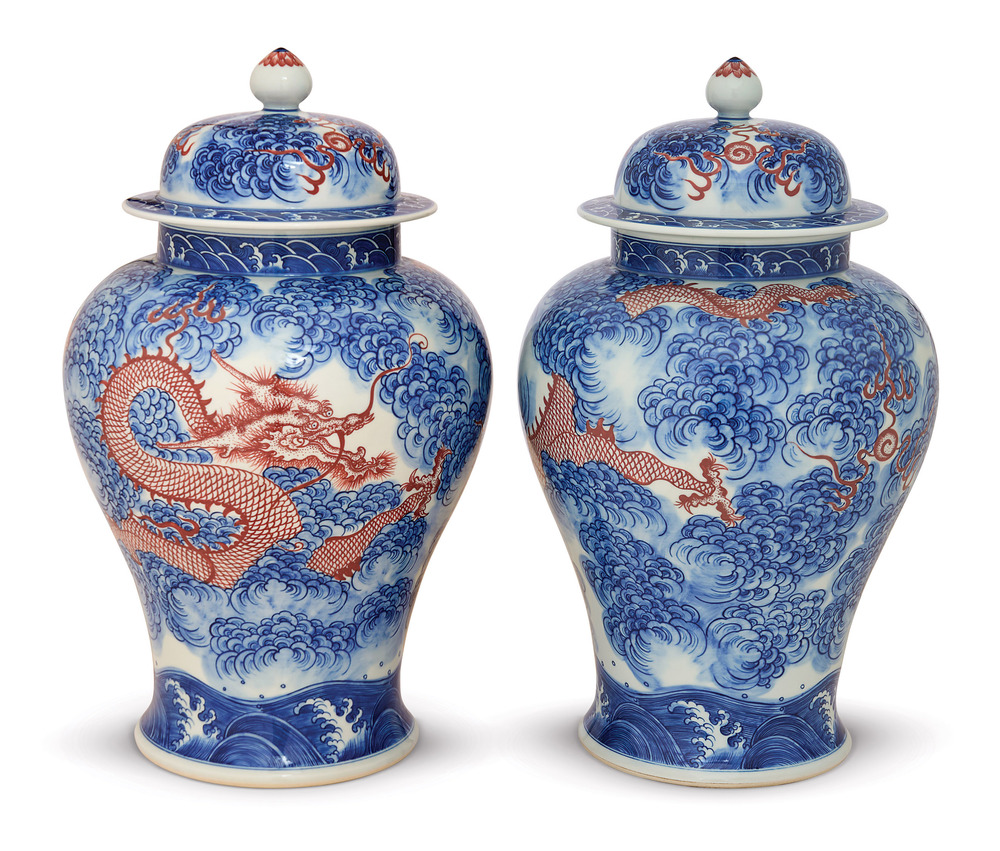 While ceramics and decorative arts were the most prominent, painting and calligraphy also held a special place in Qing society. Emperors and scholars alike prized traditional ink painting, with themes ranging from landscapes to flowers, birds, and historical figures. However, during the Qing period, a greater emphasis was placed on the classical revival of older styles, particularly the work of earlier masters.
Qing painting was often a blend of personal style and cultural homage, with notable artists such as the "Four Wangs" (Wang Hui, Wang Shimin, Wang Jian, and Wang Yuanqi) contributing to the development of a distinctive artistic language. Calligraphy, too, was highly respected as a form of intellectual expression, and many Qing scholars were both accomplished calligraphers and painters. The imperial court, deeply invested in the preservation of Confucian culture, supported both the study and practice of these arts, which were seen as essential to maintaining the moral and cultural integrity of society.
Features Of Qing Dynasty Art
The Qing Dynasty (1644–1912) marked a significant period in Chinese history, both politically and culturally. Qing art, a reflection of the complex and diverse society of the time, is characterized by a blend of traditional Chinese styles and innovative techniques introduced by the ruling Manchu elite. The following are the key features of Qing Dynasty art that highlight its uniqueness and historical significance:
1. Diverse Artistic Influences - The Qing Dynasty was a melting pot of cultural influences, and its art reflects this diversity. While deeply rooted in the traditions of previous dynasties like the Ming and Song, Qing art incorporated Manchu cultural elements and even Western techniques introduced by Jesuit missionaries. This synthesis created a rich and multifaceted artistic legacy.
2. Imperial Patronage - The Qing emperors, particularly Kangxi, Yongzheng, and Qianlong, were avid patrons of the arts. They established imperial workshops and academies to produce art that glorified the dynasty. These institutions ensured the production of high-quality works, from paintings and calligraphy to ceramics and textiles, often marked by the imperial seal.
3. Advancements in Porcelain - Qing Dynasty porcelain is renowned for its technical sophistication and aesthetic beauty. Innovations included the development of famille rose and famille verte palettes, which introduced a wider range of colors and intricate designs. The imperial kilns at Jingdezhen became the epicenter of porcelain production, creating masterpieces for both domestic use and export.
4. Elaborate Painting Styles - Qing painting retained traditional themes such as landscapes, flowers, and birds, but artists also experimented with new styles and techniques. Court painters like Giuseppe Castiglione (Lang Shining), an Italian Jesuit, blended European realism with Chinese aesthetics. Literati painters, such as Shitao and Bada Shanren, emphasized individual expression and abstract forms, often challenging conventional norms.
5. Calligraphy and Seal Carving - Calligraphy continued to be a highly revered art form during the Qing Dynasty. Scholars and emperors alike practiced and promoted calligraphy, valuing its role as a medium for self-expression and cultural continuity. Seal carving also flourished, with intricate designs and inscriptions that reflected personal or imperial identities.
6. Symbolism and Themes - Qing art is rich in symbolism, with motifs drawn from nature, mythology, and Confucian ideals. Dragons, phoenixes, and peonies often appear as symbols of power, prosperity, and beauty. Buddhist and Daoist imagery also played a significant role, reflecting the spiritual dimensions of Qing society.
7. Luxury Textiles - The Qing period saw the production of exquisite textiles, including silk brocades, embroideries, and tapestries. These were often adorned with auspicious motifs and vibrant colors, serving both ceremonial and decorative purposes. The use of gold and silver threads added a luxurious touch to many garments and furnishings.
8. Architectural Innovations - Qing architecture, an art form in its own right, featured grand imperial structures like the Summer Palace and the Forbidden City. These buildings showcased intricate woodwork, colorful murals, and harmonious layouts that reflected traditional Chinese cosmology and aesthetics.
9. Export Art - During the Qing Dynasty, China’s interaction with the global market expanded significantly. Export art, including blue-and-white porcelain, lacquerware, and paintings, catered to European tastes while maintaining Chinese artistic traditions. This created a unique cross-cultural dialogue evident in the art of the period.
Now, let's explores the defining styles and types of Qing Dynasty art, shedding light on its enduring legacy.
Styles Of Qing Dynasty Art
1. Imperial Style - The Qing emperors were ardent patrons of the arts, fostering an imperial style that emphasized grandeur, precision, and symbolism. Art produced in imperial workshops often adhered to strict standards and featured motifs that conveyed power, authority, and harmony. This style is particularly evident in court paintings, porcelain, and architecture.
2. Realism and Western Influence - The Qing period saw the integration of Western artistic techniques, particularly under the influence of Jesuit missionaries like Giuseppe Castiglione (Lang Shining). These artists introduced linear perspective, chiaroscuro, and realistic portraiture, blending them seamlessly with traditional Chinese aesthetics. This fusion is evident in court paintings and depictions of imperial family members.
3. Literati Style - Continuing the traditions of the Ming and earlier dynasties, Qing literati artists emphasized personal expression and scholarly ideals. This style often featured brushwork that was expressive rather than precise, focusing on themes like landscapes, bamboo, and calligraphy. Artists like Shitao and Bada Shanren are notable exponents of this introspective and philosophical approach.
4. Decorative and Symbolic Style - Many Qing artworks were highly decorative, designed to convey auspicious meanings. Bright colors, intricate patterns, and symbolic motifs like dragons, phoenixes, and lotus flowers were common, particularly in ceramics, textiles, and lacquerware.
Types Of Qing Dynasty Art
1. Painting - Qing dynasty paintings encompasses a wide range of styles and themes. Court painters produced realistic and detailed works, often documenting imperial activities. Literati painters, on the other hand, created introspective and poetic landscapes, emphasizing spontaneity and abstraction. Common subjects included nature, mythology, and historical events.
2. Porcelain and Ceramics - Porcelain production reached new heights during the Qing Dynasty, with the imperial kilns at Jingdezhen creating masterpieces for both domestic and international audiences. Innovations like famille rose, famille verte, and monochrome glazes expanded the aesthetic possibilities of ceramics. Qing porcelain is distinguished by its intricate designs, vibrant colors, and technical excellence.
3. Calligraphy - Calligraphy remained a central art form in the Qing Dynasty period, valued for its ability to convey the artist’s personality and intellectual depth. Styles ranged from the highly disciplined works of court calligraphers to the expressive, unconventional scripts of literati artists.
4. Textiles - The Qing Dynasty produced exquisite textiles, including silk brocades, embroideries, and court robes. These items often featured intricate designs and auspicious symbols, serving ceremonial, decorative, and functional purposes. Imperial garments like dragon robes are iconic examples of Qing textile art.
5. Lacquerware - Lacquer art flourished during the Qing Dynasty, with artisans creating intricately carved and painted items. These included furniture, boxes, and screens adorned with elaborate designs and rich colors, often incorporating gold and mother-of-pearl inlays.
6. Jade and Ivory Carvings - Jade and ivory carving reached new levels of refinement in the Qing period. These materials were transformed into delicate ornaments, figurines, and ritual objects, showcasing the artisans’ technical skill and attention to detail.
7. Architecture - Qing Dynasty architecture, an art form in itself, featured monumental structures like the Forbidden City, the Summer Palace, and temple complexes. These buildings were characterized by their harmonious layouts, ornate decorations, and adherence to traditional Chinese cosmology.
8. Export Art - The Qing Dynasty’s engagement with global trade gave rise to export art, including blue-and-white porcelain, lacquerware, and paintings created for Western markets. These works often combined Chinese techniques with motifs tailored to European tastes, illustrating a unique cross-cultural exchange.
Legacy: Influence On Modern Collectors & Institutions
The art of the Qing Dynasty has left an indelible mark on the history of Chinese culture. Today, many of the dynasty’s finest works are housed in museums and private collections worldwide. The meticulous craftsmanship and historical significance of Qing art have made it highly sought after by collectors and scholars alike. The legacy of Qing Dynasty art has contributed to the formation of collections in major museums, including the Palace Museum in Beijing, which houses one of the world’s most extensive collections of Chinese imperial art.
Collectors & The Market For Qing Dynasty Art
Collectors have long been fascinated by the exquisite quality and historical importance of Qing Dynasty art. From the late 19th century through the early 20th century, collectors from across the world began to show interest in Chinese art, including Qing ceramics and textiles. Today, Qing art is a key focus for both private collectors and public institutions, with auction houses frequently showcasing rare and valuable pieces from this period.
Conclusion
The Qing Dynasty was a period of extraordinary artistic achievement, and its art continues to captivate and inspire. Through the imperial court’s patronage, royal workshops, and a wealth of skilled artisans, the art produced during this period celebrated the empire’s power, culture, and traditions. Whether through the delicate porcelain of Jingdezhen, the intricate lacquerware, or the scholarly paintings and calligraphy, Qing art encapsulates the beauty, intellect, and legacy of one of China’s most enduring empires. Today, collectors and institutions continue to treasure these works, ensuring that the artistic legacy of the Qing Dynasty remains a vital part of our global cultural heritage.




