satish gujral - bridging art & architecture in modern india
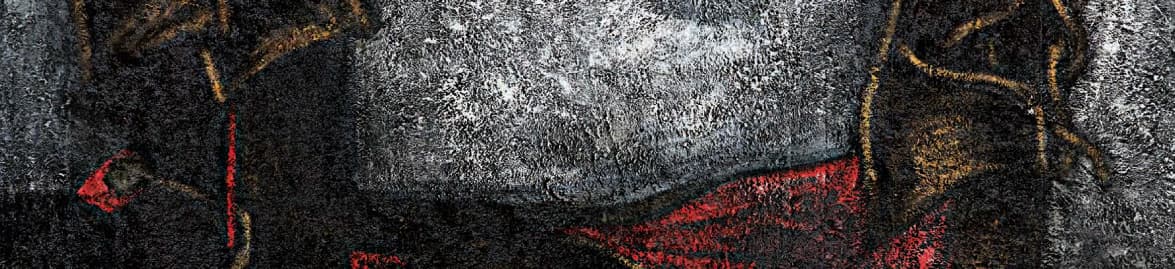
Satish Gujral, an eminent figure in the realms of art, sculpture, and architecture, has left an indelible mark on the cultural landscape of modern India. His unique ability to blend various artistic disciplines has made him a pivotal personality in Indian art history. This blog explores Gujral's life, his artistic journey, and how he bridged the worlds of art and architecture.
Early Life & Education
Born on 25 December 1925 in Jhelum, Punjab (now in Pakistan), Gujral faced significant challenges early in life due to a childhood accident that resulted in hearing impairment. This profound silence shaped his perception of the world and became a core element of his artistic expression. Despite these obstacles, he demonstrated a keen interest in art from a young age.
Gujral began his formal training at the Mayo School of Arts in Lahore in 1939. He later moved to Bombay (now Mumbai) to study at the Sir J.J. School of Art from 1944 until 1947. During this time, he encountered the Progressive Artists Group but found their European-influenced modernism at odds with his vision. Instead, he sought to develop a modernism rooted in Indian traditions.
In 1952, Gujral received a scholarship to study at the Palacio de Bellas Artes in Mexico City. Under the mentorship of renowned muralists Diego Rivera and David Alfaro Siqueiros, he developed a significant body of work that explored themes of human suffering—an experience deeply rooted in his personal history and the trauma of the Partition of India.
Artistic Evolution
Gujral's early works were heavily influenced by the violence and upheaval surrounding the Partition of India in 1947. The emotional turmoil he experienced during this period led him to explore themes of suffering and loss through his paintings. His expressive brushwork and vibrant colours conveyed deep emotional resonance.
Throughout the 1950s and 1960s, Gujral's style evolved as he began to incorporate elements of abstraction into his work. He created sculptures that often featured human-like forms crafted from materials such as burnt wood, steel, and copper. His later works included large-scale murals made from mosaic tiles, reflecting both a change in material and an evolution in thematic exploration.
Architectural Contributions
In addition to his prowess as a painter and sculptor, Gujral made significant strides in architecture. One of his most notable projects is the Embassy of Belgium in New Delhi, completed between 1980 and 1983. This building is celebrated for its innovative design and has been recognised as one of the finest structures of the 20th century by architectural critics. Gujral's architectural philosophy emphasised fluidity and instinctual design processes, allowing for organic development throughout construction.
His architectural portfolio includes several prominent projects such as the India Islamic Cultural Centre in New Delhi and Goa University. Each project reflects Gujral's commitment to blending art with functional design, creating spaces that resonate with cultural significance while serving practical purposes.
Legacy and Recognition
Satish Gujral's contributions have garnered widespread recognition both nationally and internationally. In 1999, he was awarded the Padma Vibhushan, India's second-highest civilian honour, acknowledging his exceptional contributions to art and culture. Additionally, he received accolades such as the Order of the Crown from Belgium for his architectural achievements.
Gujral's legacy extends beyond accolades; he has inspired generations of artists to explore interdisciplinary approaches within their work. His ability to traverse various forms of artistic expression serves as a testament to his vision and creativity. He demonstrated that art could be a powerful medium for addressing complex emotions and societal issues while also fulfilling functional roles through architecture.
Conclusion
Satish Gujral remains an iconic figure whose work continues to inspire those who seek to bridge various forms of artistic expression. His life story—marked by resilience against adversity—mirrors the themes prevalent in his art: struggle, transformation, and ultimately triumph. As we reflect on his contributions to modern India’s cultural landscape, it is clear that Gujral's legacy will endure as a beacon for artists striving to connect their work with broader human experiences.
Through his paintings, sculptures, murals, and architectural masterpieces, Satish Gujral has indeed left an indelible mark on both Indian art and architecture. In celebrating his multifaceted career, we acknowledge not only an artist but also a visionary who redefined boundaries within art and architecture—bridging them seamlessly into a cohesive narrative that resonates with humanity at large.