shilpa gupta: pioneering interactive art in contemporary india
.jpg&w=3840&q=75)
In the ever-evolving world of contemporary art, where boundaries between artist and audience are increasingly blurred, Shilpa Gupta stands out as a compelling force. Known for her deep engagement with themes of identity, surveillance, freedom and borders, Shilpa Gupta has emerged as a pioneer of interactive installation art in contemporary India. Her multidisciplinary practice, which spans installation, video, sound, performance and digital media, invites viewers not just to observe but to participate, question and reflect.
This article explores how Shilpa Gupta is redefining the landscape of Indian contemporary art through interactive art forms and how her work serves as a powerful medium for social impact.
Who Is Shilpa Gupta?
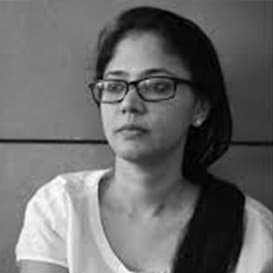 Born in Mumbai in 1976, Shilpa Gupta graduated from the Sir J.J. School of Fine Arts with a focus on sculpture. Over the past two decades, she has built a formidable international reputation, with exhibitions at institutions like the Tate Modern (London), MoMA (New York), and the Venice Biennale.
Her early adoption of digital technology and participatory methods set her apart from many of her contemporaries. Rather than creating art as isolated objects, Shilpa Gupta builds experiences that involve the audience often emotionally, physically, or intellectually. This participatory element is central to her goal of provoking critical engagement with urgent socio-political issues.
The Language of Interaction
Shilpa Gupta’s interactive art is not just a stylistic choice, it’s a political and ethical strategy. Whether using sensors, microphones, barcodes, or simple acts like pushing a button or crossing a line, she makes the audience complicit in the artwork’s meaning. This interaction often leads viewers to confront issues they might otherwise overlook.
One of her well-known works, "Speaking Wall", uses motion sensors to trigger voices when a viewer approaches, sharing stories of people who have been silenced. In "Someone Else", a bookshelf filled with blank books contains the names of authors who have been imprisoned for their writing, underscoring how censorship and freedom of expression remain global concerns.
Borders, Identity, and the Body
A recurring theme in Shilpa Gupta’s artwork is the notion of borders not just physical boundaries between nations, but psychological and cultural divisions as well. Her powerful installation "1:14.9", based on the India-Bangladesh border, features barbed wire and poetic texts. It transforms an abstract geopolitical issue into a visceral, bodily experience for viewers.
By inviting people to walk along, touch, or engage with these symbols of division, she forces them to feel their presence in a way that is intimate and immediate. The border becomes not just a news headline, but something lived and embodied.
Shilpa Gupta and the Social Impact of Interactive Art
At the core of Shilpa Gupta’s practice is the belief that art has the power to question structures of authority and amplify unheard voices. In societies where political speech is often restricted or surveilled, interactive art becomes a subtle yet forceful tool of resistance.
Rather than creating direct protest art, Shilpa Gupta’s installation art often function as quiet, poetic interventions. They create spaces for reflection on nationalism, violence, and exclusion without prescribing what the viewer should think. This openness is part of what makes her work so powerful. It respects the audience’s intelligence while gently leading them toward deeper understanding.
A Global Artist Rooted in Indian Realities
While Shilpa Gupta is a globally recognized artist, her work remains deeply rooted in Indian socio-political realities from the Partition of India and the ongoing border conflicts to caste, gender, and religious identity. Her work is equally at home in a gallery in Berlin or a street in Mumbai, speaking across contexts while remaining locally relevant.
Her collaborations with poets, activists and other artists reinforce the interdisciplinary and collective nature of social transformation, blurring the lines between art, politics, and public engagement.
Conclusion
Shilpa Gupta’s pioneering work in interactive art has not only redefined artistic practice in India but also reshaped how we think about art’s role in society. By actively engaging the viewer, she creates spaces where art becomes dialogue, where seeing becomes listening, and where participation becomes a political act.
As the lines between technology, identity and politics continue to blur, Shilpa Gupta’s installation artwork will remain both a mirror and a beacon showing us who we are, and who we might yet become.