significance of hanuman paintings
.jpg&w=3840&q=75)
Hanuman paintings function as powerful devotional tools in Hindu practice. Revered as the embodiment of bhakti (devotion), shakti (strength) and seva (selfless service), Hanuman's image is believed to invoke protection and divine blessings. Many devotees place his image in homes and temples as a protective talisman against negative energies and obstacles. This article delves into the various dimensions of Hanuman paintings and their importance.
Cultural Heritage
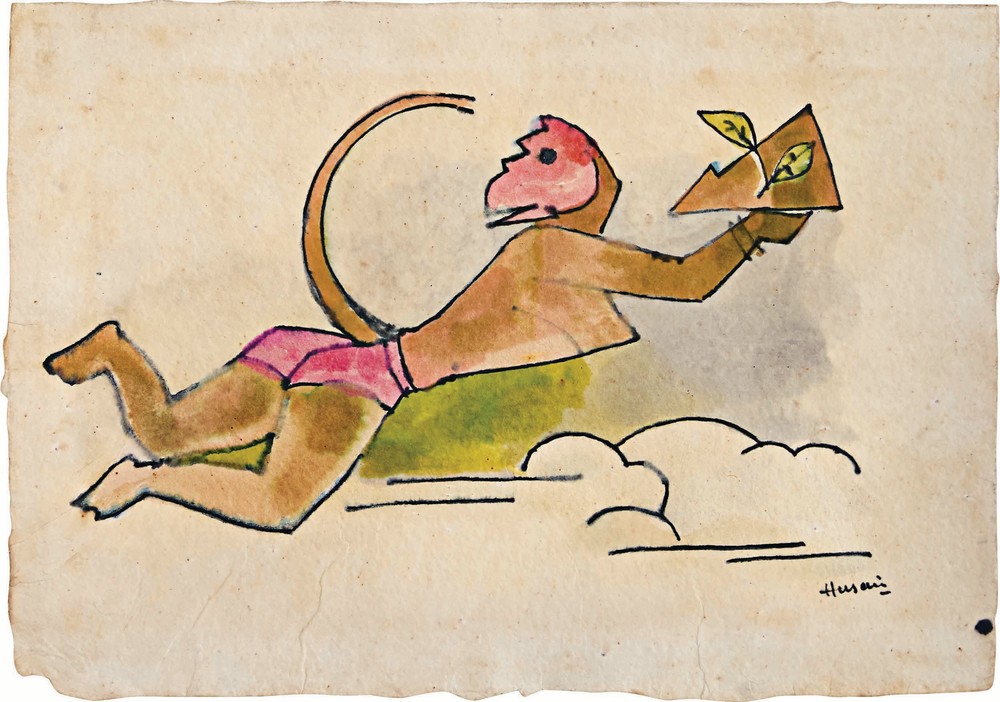 Hanuman paintings are an essential part of India's cultural heritage. They are found in various traditional art forms such as Madhubani paintings, Rajasthani miniatures and Pattachitra. These artworks not only showcase the artistic skills of the craftsmen but also preserve the cultural narratives and mythological stories associated with Hanuman.
For instance, depictions of Hanuman's role in the epic Ramayana, where he aids Lord Rama in his quest to rescue Sita, are common themes in these paintings. They act as visual storytelling tools, passing down cultural knowledge from one generation to the next.
Protection and Strength
Hanuman is often invoked for protection and strength. Paintings of Hanuman are believed to ward off negative energies and bring positivity into the environment. His image is seen as a guardian, protecting homes and families from harm.
Many people place Hanuman paintings at the entrance of their homes or in their places of worship to seek his blessings and protection.
Aesthetic Value
The aesthetic value of Hanuman paintings is remarkable. The intricate details, vibrant colors, and exquisite craftsmanship make these paintings visually stunning. Whether it's the bold outlines and bright hues of Madhubani art or the delicate brushstrokes of Rajasthani miniatures, each style brings a unique aesthetic appeal.
These paintings often adorn the walls of homes, temples, and art galleries, adding a touch of divinity and elegance to the surroundings. They serve as a source of inspiration and tranquility, creating a serene atmosphere.
Meditation and Devotion
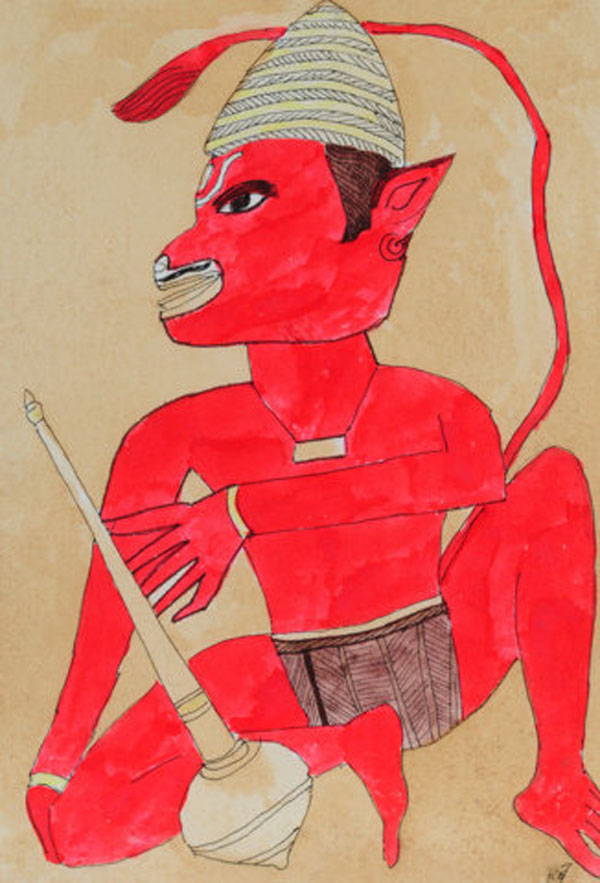 For many devotees, Hanuman paintings serve as objects of meditation and devotion. Gazing upon these paintings can evoke a sense of strength, courage, and spiritual connection. The powerful and benevolent expression of Hanuman in these artworks helps devotees focus their minds and connect with the divine.
In many Hindu households, it is a common practice to have a painting or an idol of Hanuman in the prayer room. This not only signifies the presence of the divine but also acts as a constant reminder of the qualities of devotion, strength, and humility that Hanuman embodies.
Educational Tool
Hanuman paintings also serve as educational tools. They help in teaching children and adults about Hindu mythology, philosophy, and values. The visual representation of Hanuman and his deeds makes it easier to understand complex spiritual concepts and moral lessons.
For example, the painting of Hanuman carrying the mountain of herbs (Sanjeevani) to save Lakshmana can be used to explain the importance of service, dedication, and the power of faith.
Role in Folklore and Daily Life
Hanuman’s presence in art extends beyond religious spaces; his likeness is worn as amulets for protection, displayed in homes for good fortune, and used as inspiration for martial and scholarly pursuits. The stories illustrated in Hanuman paintings—his leaps across the ocean, his battles against demons, and his steadfast service—offer moral lessons and spiritual guidance to viewers of all ages.
Placement
To maximize the spiritual benefits of Hanuman paintings, it is recommended to place them in a prominent and respectful location, such as a meditation space, altar, or living room. The painting should be positioned at eye level to facilitate easy viewing and connection.
Contemporary Relevance

In modern contexts, Hanuman paintings continue to evolve while maintaining their spiritual significance. Contemporary artists reinterpret traditional iconography through new techniques and mediums, creating works that speak to current sensibilities while honoring ancient significance.
Digital media has expanded the reach of Hanuman imagery, with devotional art circulating widely on social media platforms. Meanwhile, traditional painting techniques continue in artistic lineages passed down through generations of specialized painters.
For diaspora Hindu communities, Hanuman paintings provide cultural connection and continuity, serving as powerful reminders of heritage and spiritual values across geographic distances.
Conclusion
Hanuman paintings endure as more than relics of tradition. They inspire gym-goers seeking physical strength, students pursuing perseverance, and spiritual seekers yearning for selfless love. In homes, they ward off negativity; in offices, it builds positivity; in galleries, they bridge ancient and contemporary art. As symbols of indomitable spirit and devotion, Hanuman’s visage continues to galvanize hearts, proving that true divinity lies not in might alone, but in the courage to serve and love unconditionally. Through brushstrokes and pigments, his legacy lives a testament to art’s power to immortalize the sacred.