somnath hore - an artist who captured lifes struggles
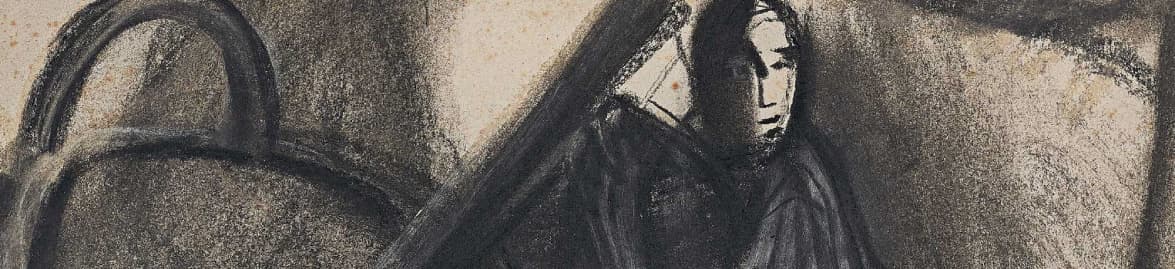
Somnath Hore, born in 1921 in Chittagong (now in Bangladesh), is a pivotal figure in Indian art, renowned for his profound ability to capture the struggles of life through his sketches, prints, and sculptures. His work serves as a powerful commentary on human suffering, particularly in the context of the socio-political upheavals that shaped 20th-century Bengal. Hore's artistic journey reflects a deep commitment to representing the marginalized and voicing the pain of those affected by historical crises.
Hore's early artistic career was significantly influenced by the tumultuous events of his time. The Bengal Famine of 1943, which resulted in millions of deaths, left an indelible mark on his psyche. This catastrophic event became a central theme in his work, prompting him to document the suffering and resilience of the human spirit. Hore's sketches from this period are raw and evocative, capturing the anguish of famine victims with striking honesty. His art served not only as a reflection of personal emotions but also as a visual record of collective trauma.
In addition to the famine, Hore was deeply affected by the Tebhaga movement, a peasant uprising in Bengal during the late 1940s. This movement sought to secure better rights for sharecroppers and highlighted the struggles faced by rural communities. Hore's engagement with these social issues informed his artistic practice, leading him to create works that resonate with themes of resistance and resilience. His ability to convey complex narratives through visual means set him apart from many of his contemporaries.
Hore's artistic style evolved over time, moving from detailed figurative representations to a more abstract approach that emphasised emotional expression. He became known for his innovative printmaking techniques, particularly his pulp print method, which allowed him to create textured surfaces that enhanced the emotional impact of his works. This technique was particularly effective in his "Wounds" series, where he explored themes of suffering and trauma through abstract forms that evoke a visceral response.
In his later years, Hore's sculptures further reflected his commitment to capturing life's struggles. His bronze figures often depicted contorted forms that symbolised pain and hardship. These sculptures serve as poignant reminders of the human condition, inviting viewers to engage with the emotional weight carried by each piece. One notable work is "Mother and Child," which pays tribute to maternal suffering and resilience amidst adversity.
Throughout his career, Hore maintained a strong connection to education and mentorship. He taught at various institutions, including Kala Bhavana in Santiniketan, where he influenced a generation of artists with his emphasis on social realism and humanist concerns. His role as an educator allowed him to share his insights on art as a means of social commentary, encouraging students to explore their own narratives through their work.
Hore's contributions to Indian art have been recognised through numerous exhibitions and awards. His works are part of prestigious collections in India and abroad, including the National Gallery of Modern Art in New Delhi and various private collections. Despite facing challenges during periods when political ideologies shifted, Hore remained steadfast in his commitment to portraying human struggles through art.
The poignancy of Somnath Hore's work lies in its ability to transcend time and context. By focusing on universal themes of suffering and resilience, he invites viewers to reflect on their own experiences while acknowledging the shared struggles faced by humanity. His legacy as an artist who captured life's struggles continues to resonate today, inspiring new generations to use art as a vehicle for social change.
In summary, Somnath Hore stands out as an artist who profoundly understood the complexities of human existence. Through his evocative sketches, prints, and sculptures, he captured life's struggles with sensitivity and depth. His commitment to representing marginalized voices and addressing socio-political issues has left an enduring impact on Indian art. As we engage with Hore's body of work, we are reminded of art's power to reflect societal realities while fostering empathy and understanding across diverse experiences.