sunil kumar das - profile, history, paintings & art style
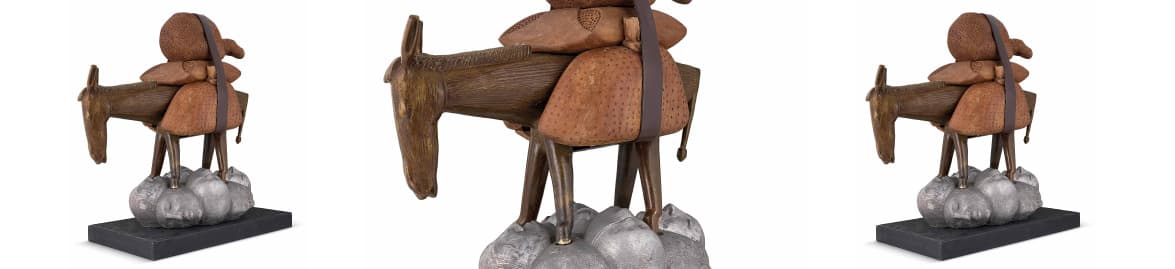
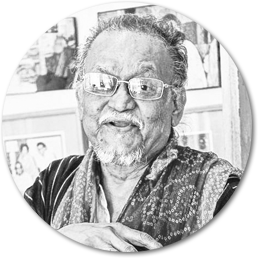 Sunil Kumar Das (1952–2021) was a distinguished Indian sculptor known for his evocative works that blended cubist influences with abstract realism. A master of bronze and stone, Das’s sculptures often explored the interplay of positive and negative space, creating forms that were both emotive and enigmatic. His works celebrated the essence of human and animal figures, distilling their forms into simplified yet powerful expressions. Based in Kolkata, Das left an indelible mark on modern Indian sculpture through his innovative approach and dedication to his craft.
Suni Kumar Das’s art was characterised by a deep sensitivity to posture, poise, and movement. His sculptures often captured the essence of his subjects with minimalistic yet profound detail, making his works accessible while maintaining their artistic sophistication. Over the years, Das exhibited widely and earned critical acclaim for his ability to create sculptures that resonated with both simplicity and emotional depth.
Early Life and Education
Sunil Kumar Das was born in 1952 in Kolkata, West Bengal. Growing up in a culturally rich city known for its contributions to Indian art and literature, Das was drawn to the arts at an early age. He pursued formal training in sculpture at the Indian College of Art and Draftsmanship in Kolkata, where he honed his skills under the guidance of some of the most respected sculptors of the time.
Das’s early exposure to classical Indian art forms and modernist movements influenced his artistic philosophy. He sought to bridge tradition and modernity by creating works that were deeply rooted in Indian aesthetics while embracing global artistic trends like cubism and abstraction.
Career Milestones
Sunil Kumar Das’s career spanned several decades, during which he established himself as one of India’s leading sculptors. His works were regularly showcased in solo exhibitions as well as group shows across India and abroad. One of his most notable exhibitions was Vahanas, held at Aakriti Gallery in Lado Sarai, New Delhi. This exhibition featured small-format bronze and stone sculptures that celebrated the purity of form and showcased Das’s mastery over his medium.
Das also participated in numerous art camps and workshops, where he collaborated with fellow artists to explore new techniques and ideas. His contributions to the field of sculpture earned him widespread recognition, including accolades from art critics and collectors.
Artistic Style and Philosophy
Sunil Kumar Das’s artistic style was defined by its focus on simplification and essence. He believed in distilling the core attributes of his subjects—whether human or animal—into forms that were both clear and emotively expressive. His sculptures often featured fluid lines and subtle inflections that brought out the inherent grace of his subjects. Key elements of his style include:
1. Cubist Influences - Suni Kumar Das’s works often reflected cubist principles, breaking down forms into geometric shapes while retaining their recognisable essence. This approach allowed him to explore the structural beauty of his subjects while imbuing them with a sense of abstraction.
2. Abstract Realism - While rooted in realism, Das’s sculptures moved beyond literal representation to capture the emotional and symbolic aspects of his subjects. This blend of abstraction and realism gave his works a timeless quality.
3. Exploration of Positive and Negative Space - Sunil Kumar Das was particularly skilled at using negative space as an integral part of his compositions. The interplay between solid forms and empty spaces added depth and dynamism to his sculptures.
4. Themes
Animal Forms: Sculptures inspired by animals like bulls, horses, or mythological vahanas (vehicles) symbolised strength, grace, or spiritual significance.
Human Figures: Portraits or abstract representations of human forms explored themes like femininity, grace, or introspection.
Symbolism: Many of his works incorporated symbolic elements that hinted at deeper philosophical or cultural meanings
5. Materials - Das primarily worked with bronze and stone but also experimented with other materials like wood. His choice of medium often dictated the texture and finish of his sculptures, ranging from smooth polished surfaces to rough-hewn textures.
Notable Works
Some of Sunil Kumar Das’s most celebrated works include:
Vahanas Series: A collection showcasing small-format bronze sculptures inspired by mythological vehicles.
Animal Forms: Sculptures capturing the grace and power of animals like bulls or horses.
Human Figures: Abstract portraits that distilled human expressions into minimalist forms.
These works exemplify Das’s ability to balance simplicity with emotional depth, making them both visually striking and thought-provoking.
Exhibitions
Sunil Kumar Das’s works have been exhibited extensively across India in galleries such as:
Aakriti Gallery (New Delhi): Hosted Vahanas, showcasing a series of small-format sculptures.
Academy of Fine Arts (Kolkata): Featured several group shows highlighting contemporary Indian sculpture.
Lalit Kala Akademi (New Delhi): Participated in national-level exhibitions showcasing modern Indian art.
His international exhibitions further expanded his reach, bringing Indian sculpture to a global audience.
Recognition
Although Sunil Kumar Das did not achieve widespread fame during his lifetime compared to some contemporaries, he earned critical acclaim for his contributions to modern Indian sculpture. His works were appreciated for their technical finesse, conceptual depth, and aesthetic appeal.
Art critics often praised Das for his ability to create sculptures that were both sophisticated and accessible. His focus on posture, poise, and movement made his works resonate with viewers on an emotional level.
Legacy
Sunil Kumar Das remains an important figure in Indian modern art for his contributions to sculpture. His ability to blend traditional Indian themes with modernist techniques has inspired a new generation of sculptors who seek to push the boundaries of their craft.
Das’s works continue to be celebrated for their timeless appeal and are held in private collections as well as public exhibitions across India. His dedication to exploring the purity of form ensures that his legacy endures as a testament to the power of simplicity in art.
Conclusion
Sunil Kumar Das’s journey as a sculptor reflects a lifelong commitment to exploring the essence of form through innovative techniques and thoughtful compositions. His ability to distill complex emotions into minimalist yet powerful sculptures has left an indelible mark on modern Indian art.
Through exhibitions like Vahanas and his contributions to contemporary sculpture, Sunil Kumar Das demonstrated that true artistry lies not just in technical skill but also in the ability to evoke emotion through form. As we celebrate Sunil Kumar Das’s life and work today, we honour a visionary artist whose legacy continues to inspire both artists and art lovers alike.