terracotta art & its 21st century successors
.jpg&w=3840&q=75)
Terracotta, derived from the Italian words "terra" (earth) and "cotta" (cooked), represents one of humanity's oldest and most enduring artistic mediums. For millennia, this humble baked clay has been transformed into objects of profound beauty, utility, and cultural significance. From the towering warriors guarding an ancient Chinese emperor's tomb to the delicate figurines adorning Indian temples, terracotta art has left an indelible mark on civilizations across the globe. Today, as contemporary artists rediscover and reimagine this ancient medium, terracotta experiences a vibrant renaissance that bridges the gap between ancestral traditions and modern artistic expression.
Definition
Terracotta refers to a type of earthenware ceramic made from natural clay that is fired at relatively low temperatures, typically between 1,000 and 1,150 degrees Fahrenheit (538-621 degrees Celsius). The term encompasses both the material itself and the objects created from it. Unlike other ceramics such as porcelain or stoneware, terracotta remains porous after firing and characteristically displays warm, earthy tones ranging from orange and red to brown and buff, depending on the iron content and firing conditions. The clay can be left unglazed, revealing its natural color and texture, or it can be painted, glazed, or treated with various surface finishes. Terracotta has been used to create everything from architectural elements and sculptures to pottery, figurines, and decorative objects.
History & Origin
The history of terracotta stretches back to the dawn of civilization. Archaeological evidence suggests that humans began working with fired clay as early as 29,000-25,000 BCE, with the Venus of Dolní Vestonice, a small terracotta figurine discovered in the Czech Republic, standing as one of the earliest known ceramic objects. However, terracotta art truly flourished with the development of settled agricultural societies.
In ancient Mesopotamia, terracotta was used for cuneiform tablets, cylinder seals, and figurines as early as 6000 BCE. The Indus Valley Civilization (3300-1300 BCE) produced sophisticated terracotta sculptures and toys. Ancient Egypt utilized terracotta for pottery, figurines, and architectural elements, while Greek and Roman civilizations elevated the medium to new heights with their exquisite pottery, architectural ornaments, and sculptures.
Perhaps the most famous terracotta creation is China's Terracotta Army, buried with Emperor Qin Shi Huang around 210-209 BCE. This vast underground army of over 8,000 life-sized warriors, horses, and chariots demonstrates the extraordinary technical and artistic achievements possible with this medium.
In the Americas, pre-Columbian cultures including the Olmec, Maya, and Moche produced remarkable terracotta figurines and vessels. Meanwhile, in Africa, the Nok culture of Nigeria (900 BCE-200 CE) created some of the continent's earliest known terracotta sculptures, remarkable for their technical sophistication and artistic merit.
Types
Terracotta art manifests in numerous forms across different cultures and time periods:
• Architectural Terracotta: Decorative and functional building elements including roof tiles, friezes, cornices, and façade ornaments. The Della Robbia family of Renaissance Florence pioneered glazed terracotta architectural decoration.
• Sculpture: Ranging from small figurines to monumental statues, terracotta has been a preferred medium for three-dimensional art. This includes devotional figures, portraits, and narrative scenes.
• Pottery and Vessels: Functional and decorative containers, including amphorae, urns, plates, and storage jars. Greek black-figure and red-figure pottery represents the pinnacle of this tradition.
• Plaques and Relief Panels: Flat or low-relief decorative panels used for architectural decoration or as independent artworks.
• Toys and Votive Objects: Small-scale figures created for play or religious offerings, found across numerous ancient cultures.
• Garden Ornaments: Planters, statuary, and decorative elements designed for outdoor display, particularly popular in European gardens.
Characteristics
Terracotta possesses several distinctive characteristics that have made it beloved by artists throughout history. The material's plasticity when wet allows for detailed modeling and expressive forms, accommodating both delicate features and bold, gestural work. Its porous nature after firing gives it a warm, tactile quality that distinguishes it from harder, vitrified ceramics.
The characteristic reddish-brown color results from iron oxide in the clay, though color variations depend on clay composition and firing atmosphere. Terracotta's relatively low firing temperature makes it accessible to artists without sophisticated kilns, contributing to its widespread use across cultures and time periods.
The medium is both durable and fragile, capable of surviving millennia when properly preserved, yet vulnerable to moisture damage and mechanical stress. This paradox has resulted in both remarkable preservation of ancient works and tragic losses. Terracotta accepts surface treatments well, from simple burnishing to elaborate painting and glazing, allowing artists tremendous flexibility in achieving their desired aesthetic effects.
Symbolism
Throughout history, terracotta has carried profound symbolic meanings. The very nature of the material, earth transformed by fire has resonated with creation myths and spiritual beliefs across cultures. In many traditions, the act of shaping clay parallels divine creation, with potters and sculptors seen as participating in sacred acts of making.
In funerary contexts, terracotta objects symbolized the continuation of life after death. The Chinese Terracotta Army embodied the emperor's power extending into the afterlife, while Greek terracotta figurines buried with the dead provided companionship in the underworld. In Hindu and Buddhist traditions, terracotta images of deities represent divine presence made accessible through earthly materials.
The earthy nature of terracotta also connects it symbolically to fertility, agriculture, and the cycle of seasons. Many ancient terracotta figurines, particularly female forms, are interpreted as fertility symbols or representations of earth goddesses. The material's humble origins in common clay have also made it symbolic of accessibility and democratic art-making, in contrast to more precious materials like marble or bronze.
Painting Techniques
Terracotta's porous surface has historically made it an excellent ground for painted decoration. Ancient Greek pottery painters developed sophisticated techniques, including the black-figure method (painting silhouettes in black slip with incised details) and the red-figure technique (leaving figures in the natural clay color while painting the background black). These methods produced artworks of extraordinary refinement and narrative complexity.
In many cultures, terracotta was painted with mineral-based pigments mixed with organic binders. The paint could be applied before or after firing, each approach offering different aesthetic qualities and durability. Pre-fire painting typically involved slip decoration, liquid clay in contrasting colors while post-fire painting used tempera, natural pigments, or other surface treatments.
Indian terracotta traditions often employed a technique of burnishing the clay surface before firing, then applying mineral pigments after firing. The Della Robbia workshops of Renaissance Italy developed a distinctive tin-glazed terracotta technique that produced brilliant, durable colors, particularly their signature blue and white compositions.
Contemporary artists continue these traditions while introducing modern materials such as acrylic paints, commercial underglazes, and experimental surface treatments that expand the medium's expressive possibilities.
Themes and Motifs
Terracotta art has explored an extraordinary range of themes across its long history. Religious and mythological subjects dominate many traditions, with deities, spiritual narratives, and devotional images appearing in cultures worldwide. The medium's accessibility made it particularly suitable for popular religious art, bringing sacred imagery into everyday life.
Daily life and genre scenes feature prominently, especially in pottery decoration. Greek amphorae depicted athletic competitions, symposia, and domestic activities. Indian and Chinese terracotta figurines captured musicians, dancers, merchants, and farmers, providing valuable historical documentation of ancient societies.
Nature motifs i.e plants, animals, and landscapes have decorated terracotta across cultures. Floral patterns adorned Greek pottery, while Chinese terracotta featured dragons and phoenixes. The natural world's cycles of growth and decay resonated with terracotta's earthy origins.
Human form and portraiture represent another major theme. From the individualized faces of the Terracotta Army to Roman portrait busts and African ancestor figures, terracotta has captured human likeness with remarkable sensitivity. The material's workability allowed artists to model subtle expressions and distinctive features.
Famous Artists
While many terracotta masterpieces were created by anonymous artisans, several artists have achieved recognition for their work in the medium.
• Luca della Robbia (1400-1482) revolutionized terracotta with his development of colored glazes, creating luminous architectural sculptures that adorned Florentine churches and palaces. His workshop's techniques were continued by his nephew Andrea and grand-nephew Giovanni, establishing a family tradition.
• Clodion (Claude Michel, 1738-1814), a French Rococo sculptor, created exquisite terracotta figurines and reliefs characterized by playful sensuality and technical virtuosity. His small-scale terracotta works were highly prized by collectors.
• Auguste Rodin (1840-1917) employed terracotta for studies and finished works, appreciating the medium's immediacy and expressive potential. His terracotta pieces capture the spontaneity and energy characteristic of his revolutionary approach to sculpture.
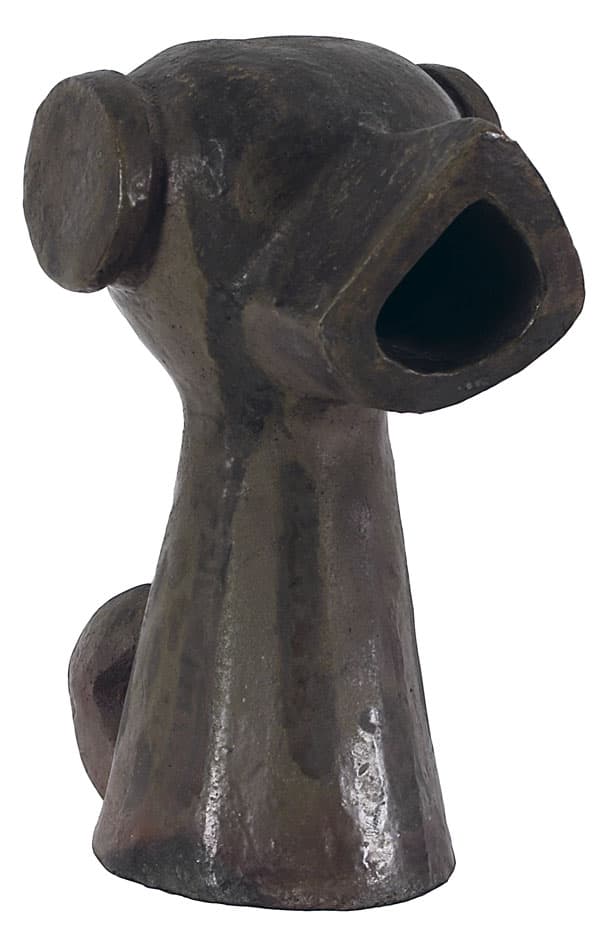 • Nandalal Bose (1882-1966) and other artists of the Bengal School promoted terracotta as part of the Indian cultural revival, encouraging appreciation for traditional craft techniques.
• Ramkinkar Baij (1906-1980) - Trained at Santiniketan under Rabindranath Tagore, Baij rejected European academic styles, drawing instead from rural Bengal's terracotta horse motifs and tribal art. His iconic works, such as the towering "Santiniketan Murals" and the life-sized "Mill Call" (depicting laborers), used terracotta to capture human struggle and nature's dynamism.
Among traditional artisans, the master sculptors of Bishnupur in West Bengal, the potters of Thrissur in Kerala, and countless other regional specialists have maintained terracotta traditions with consummate skill, though their individual names are often unrecorded.
Famous Paintings
While terracotta is primarily a sculptural medium, painted terracotta works constitute some of history's most celebrated artworks, particularly in the realm of pottery decoration.
• The François Vase (570 BCE), an Attic black-figure volute krater attributed to Ergotimos and Kleitias, represents one of the finest examples of Greek painted pottery, featuring complex mythological narratives across multiple registers.
• The Euphronios Krater (515 BCE), a red-figure calyx krater depicting the death of Sarpedon, exemplifies the technical and artistic heights of Greek pottery painting, with its masterful composition and anatomical precision.
• Della Robbia Roundels, particularly the blue-and-white glazed terracotta tondi adorning the Pazzi Chapel and Ospedale degli Innocenti in Florence, demonstrate the medium's architectural potential and the Della Robbia workshop's mastery of glazed terracotta painting.
In the Indian context, the painted terracotta temple panels of Bishnupur, depicting scenes from Hindu epics, represent masterworks of narrative art that integrate sculptural relief with painted embellishment.
Significance
Terracotta's significance extends across artistic, cultural, and practical dimensions. As an artistic medium, it has enabled creative expression across all levels of society, from imperial commissions to folk traditions. Its accessibility has made it a democratic art form, available to both professional sculptors and village potters.
Culturally, terracotta objects provide invaluable archaeological and anthropological evidence. The durability of fired clay means that terracotta artifacts often survive when more perishable materials have vanished, offering windows into ancient daily life, religious practices, and aesthetic values. The ubiquity of terracotta across cultures allows comparative studies that illuminate both universal human concerns and unique cultural expressions.
Practically, terracotta's functional applications in architecture, pottery, and industrial ceramics have shaped built environments and daily life for millennia. From roof tiles that have sheltered countless generations to vessels that have stored food and water, terracotta has served humanity's basic needs while simultaneously offering beauty and cultural meaning.
Spiritually, terracotta has mediated between the earthly and divine, providing material form for religious devotion and funerary practice. Its role in ritual and ceremony across cultures testifies to its enduring symbolic power.
Impact
The impact of terracotta art reverberates through multiple domains. In art history, terracotta works have influenced sculptural development, from ancient figurative traditions to modern abstract forms. The medium's unique qualities its immediacy, warmth, and expressive potential have inspired artists to explore forms and themes that might not be achievable in other materials.
Technologically, terracotta production drove innovations in kiln design, firing techniques, and ceramic chemistry that laid foundations for later developments in materials science and industrial ceramics. The knowledge accumulated through millennia of terracotta work informed the development of porcelain, stoneware, and modern ceramic engineering.
Economically, terracotta production has sustained communities and craft traditions worldwide. From ancient pottery workshops to contemporary tile manufacturers, the terracotta industry has provided livelihoods and fostered specialized skills passed through generations.
Educationally, terracotta's accessibility makes it an ideal medium for teaching artistic fundamentals. Art students continue to work in terracotta to learn modeling, form, and sculptural composition, connecting with an artistic lineage stretching back thousands of years.
Legacy and Influence
Terracotta's legacy permeates both traditional craft practices and contemporary art. In regions like India, Africa, Mexico, and the Mediterranean, terracotta traditions continue relatively unbroken, maintaining techniques and forms that connect present-day artisans with ancestors reaching back centuries or millennia.
The influence of historical terracotta work extends into modern sculpture, ceramic art, and architectural design. The Arts and Crafts movement of the late 19th century drew inspiration from traditional terracotta techniques, rejecting industrial mass production in favor of handcrafted work. Art Nouveau and Art Deco movements incorporated terracotta architectural elements, creating distinctive building facades in cities worldwide.
Contemporary ceramic artists acknowledge terracotta as foundational to their medium, even when working in other clay bodies. The formal innovations and technical achievements of ancient terracotta artists continue to inspire and challenge modern practitioners. Museums worldwide preserve and display terracotta masterpieces, ensuring that new generations can appreciate this art form's richness.
The legacy also includes intangible elements; knowledge systems, craft techniques, and cultural meanings that persist in communities maintaining terracotta traditions. These living traditions represent cultural continuity and resilience, adapting ancient practices to contemporary contexts while preserving core values and methods.
Modern Revival and Global Reach
The late 20th and early 21st centuries have witnessed a significant revival of interest in terracotta as both a fine art medium and architectural material. This renaissance reflects broader trends toward sustainability, craft appreciation, and cultural heritage preservation.
In architecture, terracotta has experienced renewed popularity for its thermal properties, sustainability, and aesthetic warmth. Contemporary architects incorporate terracotta panels, screens, and ornamental elements in buildings worldwide, from Boston's Museum of Fine Arts expansion to London's Tate Modern Switch House. Modern fabrication techniques allow unprecedented formal complexity while honoring the material's traditional character.
In fine art, sculptors have rediscovered terracotta's expressive potential. The material's association with the earth and its responsiveness to touch appeal to artists seeking authentic, immediate engagement with materials. Museum exhibitions celebrating historical terracotta traditions have sparked renewed interest among contemporary artists.
Globally, initiatives to preserve and promote traditional terracotta crafts have emerged. UNESCO's recognition of terracotta traditions as intangible cultural heritage in various countries has supported artisan communities. Fair trade organizations and cultural tourism have created new markets for traditional terracotta work, helping sustain endangered craft practices.
Educational institutions worldwide offer terracotta workshops and courses, introducing new generations to the medium. Digital platforms allow terracotta artists to share techniques, reach global audiences, and create communities of practice that transcend geographical boundaries.
21st Century Successors
Contemporary artists working in terracotta demonstrate remarkable diversity in approach, from those maintaining traditional techniques to those pushing the medium into entirely new territories.
• Bharti Kher (b. 1969), an Indian-born artist based in New Delhi, creates large-scale terracotta installations that engage with mythology, feminism, and cultural identity. Her work bridges traditional Indian terracotta practice with contemporary conceptual art.
• Edmund de Waal (b. 1964), a British ceramic artist and writer, creates minimalist installations featuring hundreds of small porcelain and terracotta vessels. His work explores memory, loss, and the poetry of everyday objects, connecting with deep ceramic traditions while establishing a distinctly contemporary voice.
• Magdalene Odundo (b. 1950), a Kenyan-born British ceramic artist, creates burnished terracotta vessels of extraordinary elegance and refinement. Her work synthesizes African pottery traditions with modern sculptural sensibilities, demonstrating terracotta's continued relevance in contemporary art.
• Ai Weiwei (b. 1957), though working across many media, has created significant terracotta pieces, including installations responding to China's terracotta heritage. His work demonstrates how contemporary artists engage critically with cultural traditions.
• Kanjiro Kawai (1890-1966), though mid-20th century, established a legacy that continues to influence contemporary terracotta artists, particularly in Japan and East Asia, where his philosophy of craft and functional beauty remains vital.
Beyond individual artists, numerous collectives and movements champion terracotta. In India, organizations like Dakshinachitra work to preserve and promote traditional terracotta craft while fostering innovation. In Mexico, contemporary artists reinterpret pre-Columbian terracotta traditions, creating works that address modern identity and cultural continuity.
Architectural ceramicists worldwide are expanding terracotta's possibilities through digital fabrication, 3D printing with clay, and parametric design. Artists like Gramazio Kohler Research at ETH Zurich explore robotic clay construction, creating complex terracotta structures impossible through traditional methods while maintaining the material's essential character.
Studio potters and ceramic artists globally continue working in terracotta, often combining traditional hand-building or wheel-throwing techniques with contemporary aesthetics. Their work appears in galleries, craft fairs, and online platforms, demonstrating terracotta's vitality in 21st-century visual culture.
Interesting Facts
• The Terracotta Army remained hidden for over 2,000 years until local farmers accidentally discovered it in 1974 while digging a well. Each warrior has unique facial features, suggesting they may have been modeled after actual soldiers.
• The ancient Greeks used terracotta roof tiles as voting ballots in ostracism proceedings. Citizens would scratch names on broken pottery pieces (ostraka) to vote for exile, the origin of the word "ostracize."
• The world's largest terracotta building is the Natural History Museum in London, which used approximately 30 million terracotta blocks in its construction during the 1870s and 1880s.
• Some terracotta pigments derived from crushed minerals were so expensive that they rivaled gold in value. The vibrant blues achieved by ancient Egyptians using lapis lazuli-derived pigments were particularly costly.
• Terracotta warriors in China's ancient army originally carried real bronze weapons. When archaeologists excavated them, they found swords over 2,000 years old that were still sharp due to chromium oxide coating, a technology not developed in Europe until the 20th century.
• The largest terracotta sculpture in modern times is "The Kelpies" in Scotland, while the final monuments are steel, the original forms were created by sculptor Andy Scott using terracotta-like modeling techniques that honor the tradition.
• Terracotta was used as armor in some ancient cultures. Japanese samurai occasionally wore terracotta plates, and certain Scythian warriors used terracotta scales in their protective gear.
Conclusion
Terracotta art represents an unbroken thread connecting humanity's earliest creative expressions to cutting-edge contemporary practice. From Paleolithic figurines to parametric architectural facades, this ancient medium has continuously evolved while maintaining its essential character, earth transformed by fire into enduring art.
The renaissance of terracotta in the 21st century reflects deeper cultural shifts toward sustainability, craft appreciation, and cultural heritage preservation. As contemporary artists and architects rediscover terracotta's unique qualities; its warmth, workability, and connection to earth, they simultaneously honor ancestral traditions and forge new directions.
The successors to terracotta's ancient masters are not merely preserving a historical art form but actively reimagining it for our time. They demonstrate that traditional materials and techniques remain vital in contemporary expression, capable of addressing current concerns while maintaining connections to deep cultural roots.
In an age of digital fabrication and synthetic materials, terracotta's persistence speaks to fundamental human needs for tactile engagement, material authenticity, and connection to elemental forces. The medium that shaped some of civilization's first artistic expressions continues to shape our visual culture today, proving that true art transcends time, technology, and cultural boundaries. As long as there is earth and fire, and human hands to shape meaning from both, terracotta art will endure.