


thanjavur paintings: from 16th-century temples to maratha glory
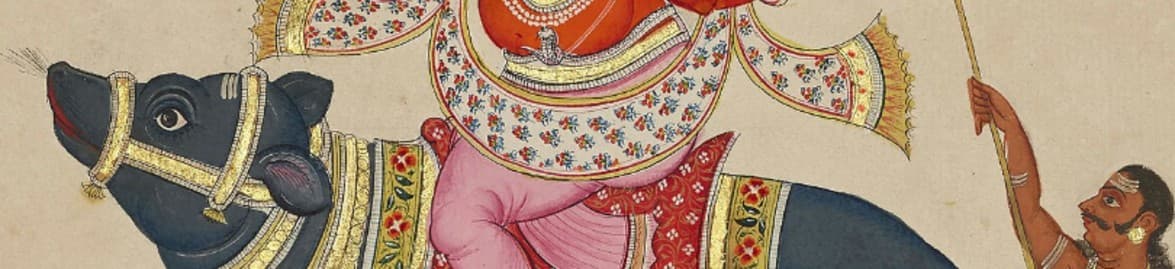
The radiant glow of a Thanjavur painting is unmistakable. Characterized by iconic 22-karat gold foil, vibrant pigments, and a distinct three-dimensional relief, this South Indian art form is more than just a painting, it is a "sacred object". To understand its grandeur, one must travel back to the 16th century, tracing a lineage that moved from the inner sanctums of temples to the opulent courts of Maratha kings.
Origins in Temple Culture
The roots of Thanjavur (anglicized as Tanjore) painting can be traced back to the 16th century during the reign of the Nayak Dynasty. This period saw a flourishing of temple architecture, music, dance, and visual arts. Paintings were primarily created for temples, serving as aids for devotion and storytelling.
Deities such as Krishna, Lakshmi, and Saraswati were commonly depicted. These artworks were designed to evoke a spiritual connection, often placed in sanctums or used during rituals. The emphasis was not on realism but on divine grandeur, symmetry, and symbolic richness.
Artistic Techniques and Materials
What sets Thanjavur Painting apart is its distinctive technique. Artists used wooden panels as the base, layered with cloth and coated with a mixture of chalk powder and adhesive. The surface was then carefully sketched and embellished.
One of the most striking features is the use of gold foil, which gives the paintings their iconic luminous quality. Precious and semi-precious stones were often embedded to highlight ornaments and crowns, enhancing the regal appearance of the figures. The result is a three-dimensional, almost sculptural effect that distinguishes this art form from other Indian styles.
Transition to Maratha Patronage
The evolution of Thanjavur Painting took a significant turn in the late 17th century when the Maratha Empire extended its influence over Thanjavur. Under rulers like Serfoji II, the arts received renewed patronage and refinement.
The Maratha rulers were great connoisseurs of art and culture. They encouraged not only traditional religious themes but also introduced courtly elements. Portraits of kings, nobles, and saints began to appear alongside divine figures. This period marked a fusion of devotional and secular aesthetics, enriching the narrative scope of the paintings.
Stylistic Refinements During Maratha Rule
Under Maratha influence, Thanjavur Painting became more elaborate and polished. The compositions grew more structured, with greater attention to facial expressions, textile patterns, and architectural backdrops.
Artists also began experimenting with vibrant color palettes while maintaining the traditional gold embellishments. The figures retained their iconic frontal posture, large expressive eyes, and serene expressions, but with enhanced detailing that reflected royal tastes.
Cultural and Religious Significance
Despite stylistic changes, the spiritual essence of Thanjavur Painting remained intact. These paintings continued to function as objects of devotion, often installed in household shrines and temples.
They also became symbols of prosperity and auspiciousness, frequently gifted during weddings and festivals. The integration of gold not only added aesthetic value but also signified divine radiance and wealth.
Legacy and Continuity
Today, Thanjavur Painting stands as a testament to centuries of artistic heritage shaped by both temple traditions and royal patronage. While modern adaptations exist, traditional methods are still preserved by skilled artisans, particularly in and around Thanjavur.
From its origins in 16th-century temples under the Nayaks to its flourishing under Maratha rulers, this art form embodies a unique cultural synthesis. It tells a story not just of artistic technique, but of faith, power, and continuity. This makes it one of India’s most treasured visual traditions.
Image Credit:
“Thajavur Ganesha”, Unknown, via Wikimedia Commons
– Public Domain.




