


the body as battlefield: exploring vasundhara tewari broota’s figurative art
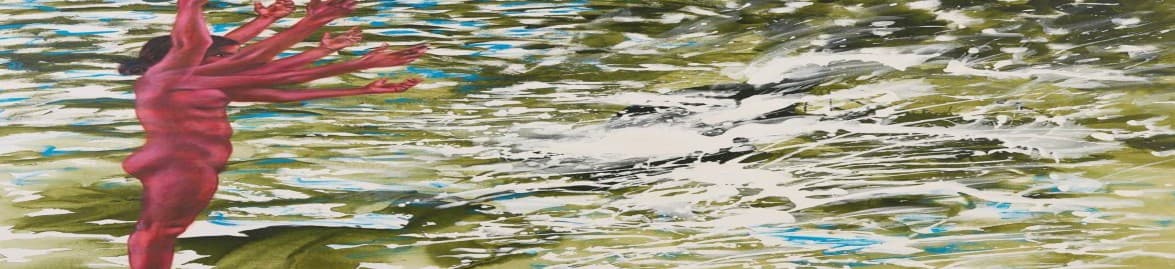
Vasundhara Tewari Broota is an Indian contemporary artist celebrated for her sensitive and introspective depictions of the female form and psyche. Known for her layered visual language, she explores themes of femininity, vulnerability, and resilience. Her work combines realism with surreal and symbolic elements, offering poetic insights into womanhood.
Early Life
Vasundhara Tewari Broota was born in Kolkata, India. Growing up in a culturally rich environment, she was exposed to literature, classical music, and visual art at an early age. These influences would later shape her reflective and narrative-driven approach to painting.
Later Life
After establishing herself as an artist, Broota moved to New Delhi. There she developed her artistic voice amidst the growing feminist and avant garde art movements in India. Over the decades, she has continued to exhibit nationally and internationally, while providing mentorship and participating in art education initiatives.
Family
Vasundhara is married to painter, photographer, and leading artist of the figurative movement Rameshwar Broota. Their artistic partnership has been nurturing and intellectually stimulating, creating a rare creative dialogue within their home.
Education
Tewari Broota studied at the College of Art, New Delhi, where she immersed herself in academic techniques and art history. Her formal training enabled her to explore a range of artistic mediums and develop a unique mixed media style.
Painting Style
Her paintings are known for their deeply introspective and psychological qualities. Working in mixed media, she employs techniques such as layering, dry brush, and use of silver leaf to evoke emotional depth. Her style often combines realistic figures with dreamlike or introspective backgrounds.
Famous Paintings
Some of her most well known works include:
• Untitled (Self Portrait with Mirror)
• Songs of Silence
• Inner Landscape
• Woman with Bird
These works reflect her interest in identity, internal struggle, and emotional landscapes.
Characteristic Features of Her Paintings
• Intimate portrayals of women, often isolated in quiet settings
• Use of symbolic elements like mirrors, birds, and open spaces
• Soft color palettes with layered textures
• A mix of realism and abstraction to suggest emotional states
• A quiet but powerful feminist undertone, questioning norms and self representation
Contribution in Indian Art
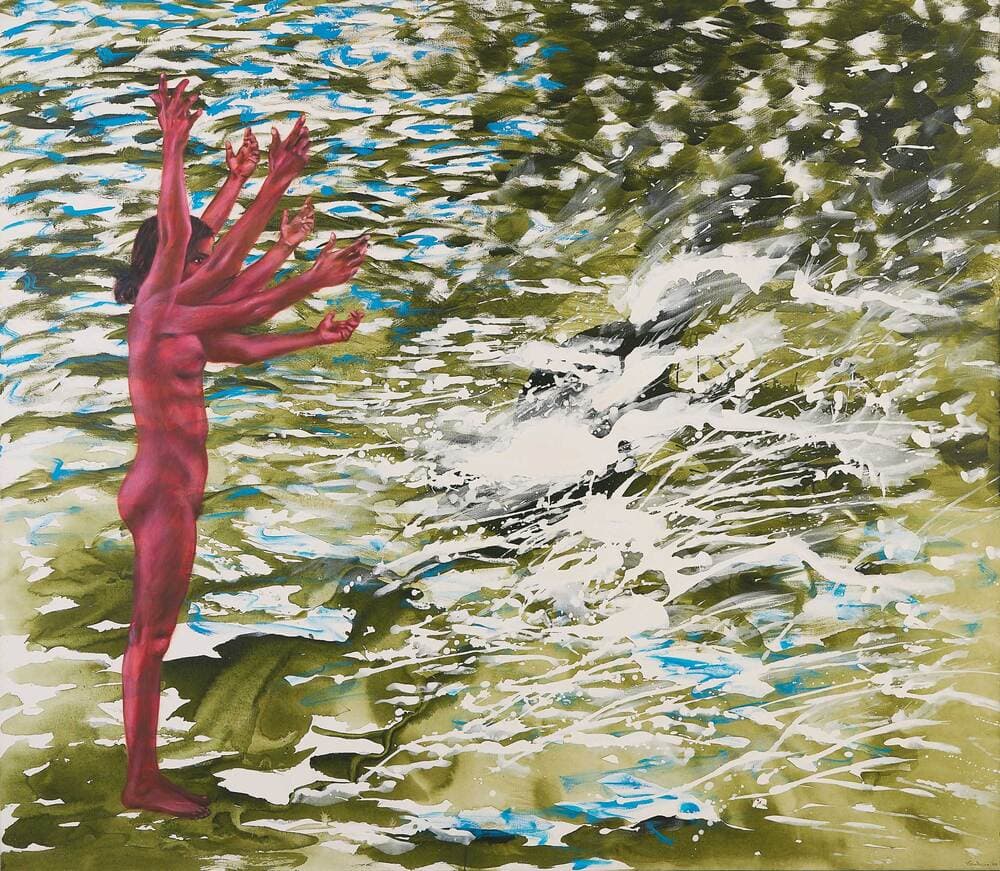 Vasundhara Tewari Broota’s figurative art serves as a compelling meditation on the female body and its internal and external conflicts. Her paintings treat the body as a site of psychological tension, emotional turbulence, and resilience. Broota often depicts women in states of introspection, their forms rendered with stark honesty and quiet strength. Rather than idealizing the female form, she reveals its fragility and endurance, its disjointedness and wholeness. In her early works, dismembered limbs and fragmented torsos symbolized the pressures of societal expectations and the challenges of self-identity. As her practice evolved, her figures became more unified, but still held the weight of memory, longing, and resistance.
Using layered textures, muted palettes, and symbolic motifs, Broota constructs both intimate and universal portraits of womanhood. Her figures often occupy shallow, introspective spaces, accompanied by natural or surreal elements that echo their emotional states. Whether she uses silver leaf to evoke fluidity or employs subtle shifts in posture to suggest transformation, Broota’s work operates on multiple registers. At once poetic and political, her paintings present the body as a battlefield where personal history, social constraints, and inner turmoil continually intersect. By reclaiming the nude as a site of strength and self-awareness, she invites viewers to witness the complexities of female experience beyond surface appearances.
Enduring Legacy and Impact
Her legacy lies not only in her body of work but also in the perspective she brought to female representation in Indian art. By depicting the inner lives of women without ornamentation or stereotype, she forged a new visual narrative on the Indian canvas. Her approach to realism, combined with symbolism, has made her a pivotal figure in contemporary figurative art.
Exhibitions
• "Women’s Song" Retrospective, Gallery Espace, New Delhi
• Exhibitions at Vadehra Art Gallery and Dhoomimal Gallery
• Participation in group shows across India, the United States, and Europe
Awards
• National Award from the All India Fine Arts and Crafts Society
• Multiple recognitions from regional art councils and cultural organizations for her artistic contribution.
Conclusion
Vasundhara Tewari Broota’s art is a reflection of deep introspection. Her paintings narrate silent yet powerful stories of womanhood, selfhood, and being. Through her technical finesse and thematic strength, she has carved out a distinctive space in Indian contemporary art, inspiring viewers to pause and reflect.
Lesser Known Facts
• She often sources personal objects and memories for her symbolic motifs
• Her use of silver leaf is inspired by sacred traditions but used in contemporary contexts
• She trained in music and classical dance during her childhood
• She works in silence, believing that solitude fuels her best creative work
• In 1992, she co-directed the video film Shabash Bete, screened in Germany.




