the complete handbook on chandbali earrings: a comprehensive guide
.jpg&w=3840&q=75)
Chandbali earrings represent one of India's most iconic and timeless jewelry traditions. With their distinctive crescent moon shape and intricate craftsmanship, these earrings have adorned women for centuries, transcending regional boundaries to become a cherished accessory across the Indian subcontinent and beyond. Whether you're a bride-to-be, a jewelry enthusiast, or simply curious about traditional Indian adornments, this comprehensive guide will illuminate everything you need to know about chandbali earrings.
Understanding Chandbali Earrings
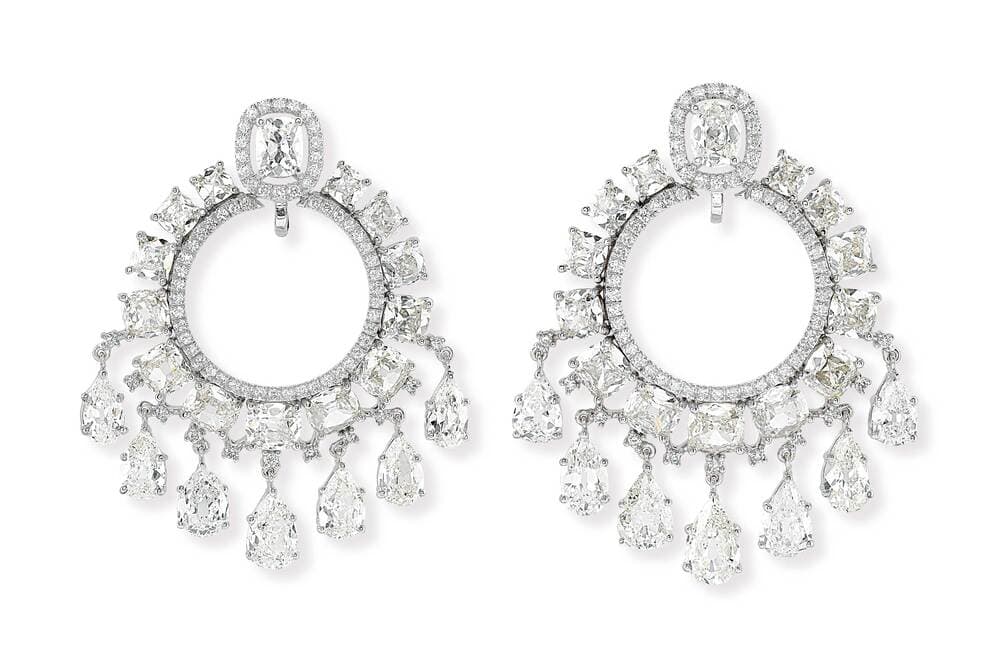 The word "chandbali" derives from two Sanskrit words: "chand" meaning moon and "bali" meaning earring. True to their name, these earrings feature a crescent or semi-circular shape that elegantly frames the face. The design typically includes a circular stud at the top, from which the crescent-shaped body hangs, often embellished with intricate detailing, gemstones, pearls, or enamel work.
What distinguishes chandbali from other traditional Indian earrings is their perfect balance between boldness and grace. They're substantial enough to make a statement yet refined enough to complement rather than overpower the wearer's features. This versatility has ensured their enduring popularity across generations and fashion eras.
History
Chandbali earrings have deep roots in Indian history, with evidence of similar crescent-shaped ornaments appearing in ancient sculptures and temple carvings dating back several centuries. The moon has held profound significance in Indian culture, symbolizing beauty, femininity, and divine grace. By wearing moon-shaped earrings, women were believed to invoke these auspicious qualities.
These earrings were particularly favored in royal courts across various Indian kingdoms. Miniature paintings from the Mughal era frequently depict noblewomen adorned with elaborate chandbalis, showcasing the design's aristocratic associations. The style flourished especially in regions like Rajasthan, Bengal, and Odisha, where local artisans developed distinctive interpretations of the basic crescent form.
In classical Indian dance forms like Bharatanatyam, Odissi, and Kathak, chandbali earrings remain an essential component of the traditional costume, helping dancers embody mythological characters and celestial beings. This connection to performing arts has helped preserve and popularize the style through cultural presentations worldwide.
Signature Features
What defines chandbali earrings? While they come in many variations, several key elements remain consistent:
•> Crescent Moon Shape - The hallmark of chandbalis is their distinctive half-moon silhouette, reminiscent of a lunar crescent.
•> Ornate Detailing - Traditional designs often include intricate filigree work, meenakari enamel, kundan stones, and pearls.
•> Dangling Elements - Many chandbalis feature tassels, beads, or layered chains that add movement and drama.
•> Statement Size - Unlike minimalist studs, chandbalis are often bold and sizeable, designed to be eye-catching.
Design Elements and Variations
Modern chandbali earrings showcase remarkable diversity while maintaining their core crescent shape. The circular top stud might be simple or elaborately decorated with kundan work, meenakari enamel, or clusters of gemstones. The crescent body can vary from delicate and minimalist to heavily ornamented with multiple layers of embellishment.
Traditional designs often incorporate religious or natural motifs. Peacocks, parrots, lotuses, and paisley patterns frequently appear in the metalwork, each carrying symbolic meaning. Temple jewelry inspired chandbaalis feature deities or temple architectural elements, connecting the wearer to spiritual traditions. Floral patterns remain perennially popular, with artisans creating intricate representations of jasmine, roses, and marigolds in precious metals.
Contemporary interpretations have expanded the chandbali vocabulary considerably. Designers now experiment with geometric patterns, Art Deco influences, and fusion styles that blend traditional forms with modern aesthetics. Some versions incorporate diamonds for a more luxurious appeal, while others use semi-precious stones like turquoise, coral, or emeralds for vibrant color. Oxidized silver chandbaalis offer a bohemian alternative to gold, appealing to younger generations seeking traditional designs with an edgy twist.
The size of chandbaalis varies significantly as well. Delicate versions suitable for everyday wear might measure just an inch or two, while grand bridal pieces can extend three to four inches, creating a dramatic frame for the face. This range ensures there's a chandbali appropriate for every occasion and personal style.
Materials and Craftsmanship
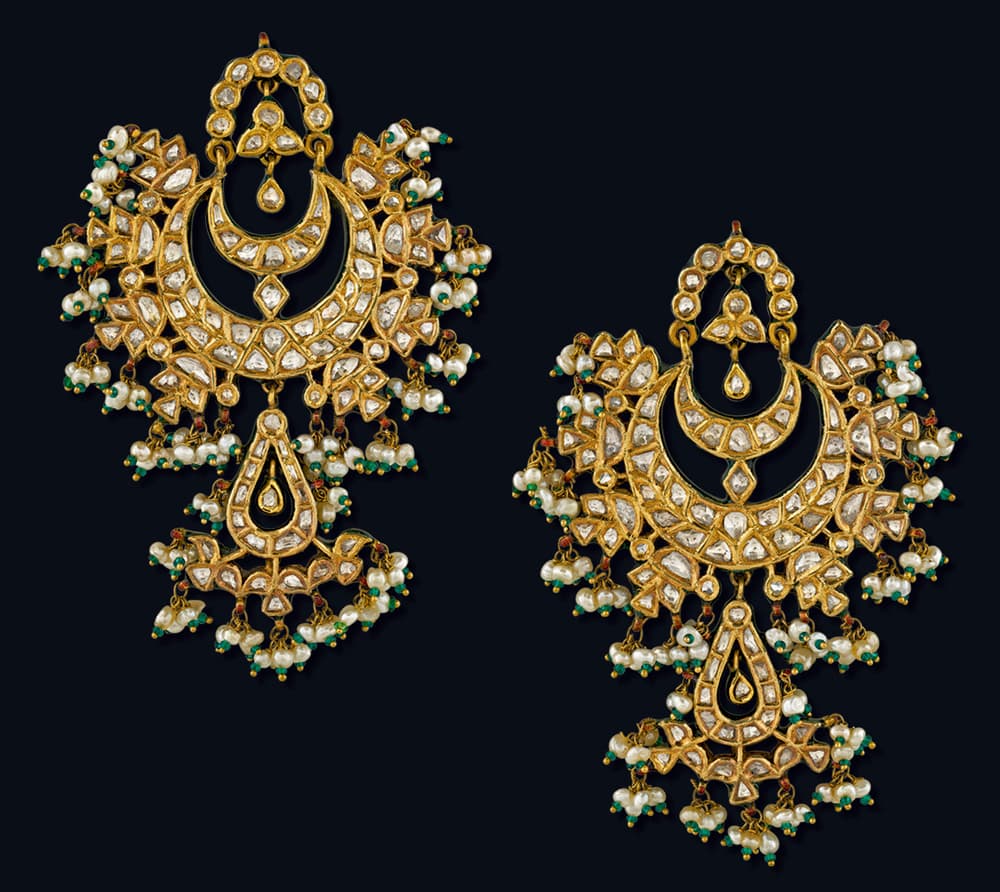 Authentic chandbali earrings showcase exceptional craftsmanship, with artisans dedicating hours or even days to a single pair. Gold remains the most traditional and prized material, with 22-karat gold preferred for its rich color and cultural significance. However, silver chandbaalis have gained popularity for their affordability and versatility, particularly in tribal and folk-inspired designs.
Several traditional jewelry-making techniques define quality chandbali craftsmanship. Kundan work involves setting uncut diamonds or gemstones in gold using a refined gold foil, creating a seamless, luminous surface. Meenakari, the art of coloring metal surfaces through enamel, adds vibrant hues to the reverse side of chandbaalis, making them beautiful from every angle. Jadau technique combines kundan setting with meenakari, resulting in pieces that are true heirlooms.
Filigree work, where artisans twist thin metal wires into delicate lace-like patterns, creates lightweight yet visually complex chandbaalis. This technique is especially prevalent in Odishan and Bengali jewelry traditions. Pearl stringing adds elegance and movement to chandbaalis, with pearls often dangling from the crescent edge or clustered around the central design.
The quality of craftsmanship directly impacts both the earring's beauty and durability. Well-made chandbaalis feature secure stone settings, smooth edges, comfortable posts or hooks, and balanced weight distribution. The backings should be well-finished since traditional designs are often visible from multiple angles.
Styling Tips
Chandbali earrings are versatile and can be styled in numerous ways:
•> With Traditional Attire - Pair them with a lehenga, sari, or anarkali for weddings, festivals, and cultural events. Coordinate the earrings with matching necklaces or a maang tikka for a cohesive ethnic look.
•> With Fusion or Western Wear - Combine a sleek black dress with understated gold chandbalis to elevate an evening outfit. They also work beautifully with high-neck tops and off-shoulder silhouettes where the earrings can take center stage.
•> For Casual Looks - Mini chandbalis or those with minimalist detailing pair well with kurtis, tunics, or even jeans and a blouse.
Buying Guide: What to Look For?
Purchasing chandbali earrings, especially for significant occasions, requires careful consideration. First, determine your budget and intended use. Bridal or heirloom pieces justify investment in authentic gold and precious stones, while fashion jewelry serves well for occasional wear at a fraction of the cost.
When examining quality, check the hallmark stamp on gold jewelry to verify purity. For gemstone-set pieces, examine the stones for clarity, color consistency, and secure settings. Kundan and meenakari work should appear smooth and even, without gaps or rough patches. For pearl chandbailis, ensure the pearls are well-matched in size and luster, with no visible flaws.
Comfort matters significantly for earrings you'll wear for hours. Test the weight and balance, chandbailis should feel secure without pulling excessively on the earlobe. Check that posts or hooks are smooth and hypoallergenic if you have sensitive skin. Screw backs or lever backs offer more security than simple hook backs for valuable pieces.
Consider the versatility of the design. Will these earrings work with multiple outfits, or are they specific to certain occasions? Neutral color palettes in gold, silver, or white stones offer more styling flexibility than colorful gemstones, though the latter can perfectly complement specific outfits.
When shopping, reputable jewelers provide certification for precious metals and stones, offer customization options, and stand behind their craftsmanship with warranties or repair services. Don't hesitate to ask about the jewelry's origins, the artisans involved, and care instructions.
Care and Maintenance
Proper care ensures your chandbali earrings remain beautiful for generations. Gold jewelry benefits from regular cleaning with mild soap and warm water, using a soft brush to remove dirt from intricate detailing. Dry thoroughly with a soft cloth and store in individual pouches to prevent scratching. Silver chandbailis require more frequent cleaning as silver tarnishes naturally, but specialized silver cleaning solutions restore their shine quickly.
Kundan and meenakari jewelry demands gentler treatment. Avoid exposing these pieces to water, chemicals, or excessive heat, as this can damage the enamel work or loosen stone settings. Clean with a dry, soft cloth and store in a cool, dry place. Never use ultrasonic cleaners on such pieces.
Pearl-adorned chandbailis need special attention since pearls are organic and porous. Wipe them with a slightly damp cloth after wearing to remove oils and perspiration, but never submerge them in water. Store away from heat and ensure they're the last thing you put on and first thing you remove, as cosmetics and perfumes can damage their luster.
For all chandbailis, professional inspection and cleaning every year or two helps identify potential issues before they become serious. Jewelers can re-tighten loose stones, repair clasps, and professionally clean intricate work that's difficult to address at home.
Modern Interpretations and Contemporary Relevance
While rooted in tradition, chandbali earrings have successfully evolved to meet contemporary tastes. Leading jewelry designers across India and internationally have reimagined the classic crescent form, incorporating modern materials like titanium, experimenting with asymmetric designs, or creating minimalist interpretations that retain the essence while appealing to modern sensibilities.
This evolution has introduced chandbailis to global fashion audiences. International celebrities and fashion influencers have embraced these earrings, wearing them on red carpets and in editorial spreads, which has sparked interest beyond South Asian communities. Fashion weeks in Mumbai, Delhi, and internationally frequently showcase collections featuring contemporary chandbali designs, cementing their place in global jewelry trends.
Social media has played a significant role in the chandbali renaissance. Instagram and Pinterest boards filled with creative styling ideas have inspired younger generations to explore traditional jewelry. Online marketplaces have democratized access, allowing customers worldwide to purchase authentic or inspired designs from Indian artisans and brands.
The sustainable fashion movement has also benefited traditional jewelry like chandbailis. As consumers seek meaningful, long-lasting pieces over fast fashion, investment in well-crafted traditional jewelry represents both style and values. Many chandbali buyers appreciate the cultural stories embedded in these pieces, viewing them as wearable art that connects them to heritage and supports artisan communities.
Conclusion
Chandbali earrings embody the perfect intersection of tradition and timelessness. Their graceful crescent form has captivated wearers for centuries, evolving through different eras while maintaining their essential character. Whether you choose a traditional gold kundan piece for your wedding, an oxidized silver design for everyday elegance, or a contemporary interpretation for fusion styling, chandbailis offer unmatched versatility and beauty.
Understanding the history, craftsmanship, and styling possibilities of chandbali earrings enriches the experience of wearing them. These aren't merely accessories but pieces of cultural heritage, each telling stories of the artisans who created them and the traditions they represent. As you explore the world of chandbailis, you'll discover that the right pair doesn't just complement your appearance; it connects you to centuries of artistic excellence and cultural celebration.
Whether inherited as family treasures or purchased as personal indulgences, chandbali earrings remain an essential component of jewelry collections for those who appreciate the marriage of artistry and tradition. In a world of fleeting trends, they stand as testament to designs that transcend time, continuing to frame faces with lunar grace just as they have for generations past and surely will for generations to come.