the decline and revival of patna kalam paintings
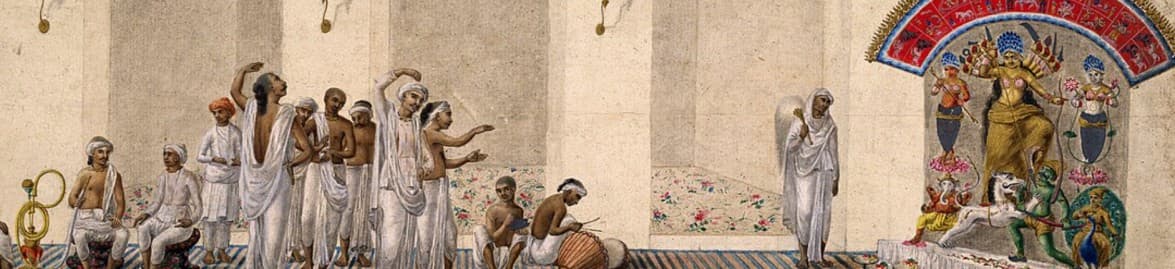
Patna Kalam Painting: History & Beginners Guide
Patna Kalam or Patna Qalam is a refined Indian miniature painting tradition that flourished in Bihar, especially in Patna, between the 17th and 19th centuries. Known for its delicate line work, realistic figures, and subtle colors, Patna Kalam stands apart from other Indian miniature schools for its emphasis on everyday life and courtly elegance rather than mythological drama.
# History of Patna Kalam Painting
Origins
Patna Kalam emerged during the Mughal period. When Mughal patronage declined in Delhi in the early 18th century, several artists migrated eastward and settled in Patna under the patronage of local nawabs and wealthy merchants. These artists blended the Mughal miniature style with regional sensibilities, giving rise to Patna Kalam.
Evolution and Themes
Unlike many Indian schools that focused heavily on religious or epic themes, Patna Kalam artists painted scenes of contemporary life:
•> Courtly gatherings and royal durbars
•> Festivals and processions
•> Tradespeople, musicians, and artisans
•> Portraits of nobles and elites
This focus on social realism makes Patna Kalam an important visual record of life in eastern India during the Mughal and early colonial periods.
Decline
With the advent of British colonial rule and the introduction of photography and European art styles, patronage for traditional miniature painting declined. By the late 19th century, Patna Kalam had largely faded, surviving mainly through museum collections and a few hereditary artist families.
# Features of Patna Kalam Paintings
Patna Kalam paintings are distinguished by their refined aesthetics, subtle realism, and documentary quality. Below are the key features explained in detail:
1. Fine and Delicate Line Work
The most defining feature of Patna Kalam is its precise, flowing outlines. Artists used fine brushes or reed pens to create elegant contours with great control, giving figures clarity and grace.
2. Emphasis on Realism
Unlike many traditional Indian painting styles that idealize figures, Patna Kalam focuses on naturalistic proportions, expressive gestures, and lifelike postures. Faces, clothing, and activities appear grounded in real life.
3. Subtle and Muted Color Palette
Artists favored soft, earthy colors such as ochre, brown, green, grey, and muted reds. Bright or highly decorative colors were rarely used, allowing elegance and restraint to dominate the composition.
4. Minimal Backgrounds
Backgrounds are usually plain, lightly washed, or left blank. This lack of heavy detailing draws attention to the central figures and their activities, enhancing the narrative focus.
5. Flat Coloring with Minimal Shading
Patna Kalam paintings generally avoid heavy shading or three-dimensional modeling. Colors are applied in flat, transparent washes, with form suggested mainly through line rather than light and shadow.
6. Influence of Mughal and European Styles
While rooted in Mughal miniature traditions such as precision and courtly themes, Patna Kalam also reflects European influence in its realism, perspective, and portrayal of daily life, especially during the colonial period.
7. Slender and Graceful Figures
Human figures are typically elongated and elegant, dressed in detailed costumes that reflect the fashion of the time. Attention is given to textiles, jewelry, and accessories without excessive ornamentation.
8. Use of Watercolor on Paper
The paintings were executed primarily in watercolor on paper, sometimes on ivory. The medium contributed to the softness and translucency characteristic of the style.
9. Narrative and Documentary Value
Beyond aesthetics, Patna Kalam paintings serve as historical documents, offering insights into social life, occupations, customs, and cultural interactions of eastern India during the late Mughal and early colonial eras
# Characteristics of Patna Kalam Paintings
•> Medium: Watercolor on paper or ivory
•> Line Work: Fine, precise outlines drawn with brush or reed pen
•> Color Palette: Soft, earthy tones-ochres, greens, browns, and muted reds
•> Shading: Minimal; emphasis on flat colors and graceful contours
•> Backgrounds: Usually plain or lightly washed, keeping focus on figures
•> Figures: Slender, naturalistic proportions with expressive postures
# Famous Patna Kalam Artists
Patna Kalam developed mainly through hereditary artist families rather than individual celebrity painters. Even so, a few names are historically associated with the growth and refinement of this tradition.
1. Shivlal
Shivlal is regarded as one of the earliest and most influential Patna Kalam artists. Active in the late 18th century, he is credited with shaping the distinct identity of the school after migrating from Delhi when Mughal patronage declined.
Contributions:
•> Adapted Mughal miniature techniques to local subjects
•> Focused on everyday life, court scenes, and portraits
•> Established stylistic norms such as fine line work and subdued colors
Shivlal is often considered the founder of the Patna Kalam tradition.
2. Fakirchand
Fakirchand was a prominent successor to Shivlal and played a key role in popularizing Patna Kalam during the early 19th century.
Contributions:
•> Refined realism and naturalistic depiction of figures
•> Painted courtly scenes, festivals, and occupations
•> Passed the tradition to the next generation
His works show a mature blend of Mughal elegance and emerging European realism.
3. Fakirchand’s Sons (including Hulas Lal and Others)
The sons and descendants of Fakirchand continued the Patna Kalam tradition well into the 19th century.
Contributions:
•> Maintained continuity of style within family workshops
•> Produced paintings for Indian elites and British patrons
•> Helped spread Patna Kalam beyond Bihar
These artists ensured the survival of the style during a period of changing tastes.
4. Ghulam Ali Khan (Associated Influence)
Though primarily linked with Delhi and Company School painting, Ghulam Ali Khan influenced Patna Kalam artists through stylistic exchange.
Influence:
•> Strengthened realism and portraiture
•> Encouraged documentation of daily life
•> Helped bridge Mughal miniature and Company painting styles
His work reflects similarities seen in later Patna Kalam paintings.
# Materials Required for Beginners
To start practicing Patna Kalam, you don’t need rare or expensive tools.
Basic Supplies
•> Handmade or thick watercolor paper
•> Pencil (HB or 2H) for sketching
•> Fine brushes (size 0 to 2, preferably round)
•> Watercolor paints (earthy and pastel shades)
•> Black or dark brown ink for outlining
•> Palette and water container
•> Soft cloth or tissue
Step-by-Step Beginner’s Guide
1. Understanding the Subject
Begin with simple subjects such as a single standing figure, musician, or everyday activity. Study traditional Patna Kalam images to understand posture, clothing folds, and facial features.
2. Sketching the Outline
Lightly draw the composition with a pencil. Focus on proportion and elegance rather than heavy detailing. Keep the lines minimal and clean.
3. Inking the Drawing
Using a fine brush or pen, carefully trace the pencil sketch with black or brown ink. This step defines the character of the painting, so work slowly and steadily.
4. Applying Colors
Fill in colors using diluted watercolors. Start with lighter shades and gradually build intensity. Avoid heavy layering; Patna Kalam favors transparency and softness.
5. Adding Details
Add details to clothing, jewelry, and facial features using fine brushwork. Keep shading subtle and controlled.
6. Final Touches
Once dry, erase any visible pencil marks. Review the balance and harmony of the composition.
# Common Motifs and Subjects
•> Royal attendants and nobles
•> Musicians and dancers
•> Women engaged in domestic activities
•> Processions and festive scenes
•> Portraits in profile or three-quarter view
# Tips for Beginners
•> Practice line drawing daily to gain control and confidence
•> Observe traditional attire and historical references
•> Use limited colors to maintain authenticity
•> Be patient-Patna Kalam values precision over speed
•> Study museum collections and old manuscripts for inspiration
# Preserving the Tradition
Today, Patna Kalam is being revived through art schools, workshops, and independent artists who are reinterpreting the style for contemporary audiences. Learning and practicing this art form not only develops artistic skill but also helps preserve an important cultural heritage.
# Conclusion
Patna Kalam painting is a graceful blend of Mughal refinement and regional realism. For beginners, it offers an excellent introduction to miniature painting through its emphasis on line, form, and storytelling. With patience and practice, anyone can begin their journey into this elegant and historically rich art form.
Image Credit:
“Durga Puja, 1809 watercolour painting in Patna Style”, Unknown, via Wikimedia Commons
– Public Domain.