

Blogs
.jpg&w=3840&q=75)
The History Of Caucasian Carpet & Their Beautiful Features
Yungming Wong | 17 Feb, 2026
A Caucasian carpet is a handwoven textile originating from the mountainous region between the Black Sea and the Caspian Sea, an area encompassing modern-day Georgia, Armenia, Azerbaijan, and parts of Russia (especially Dagestan). Known for bold geometric patterns, vivid natural dyes, and symbolic motifs, these carpets are among the most distinctive and collectible tribal weavings in the world.
History
Caucasian carpet weaving dates back centuries, shaped by trade routes such as the Silk Road and by the nomadic and village cultures of the region. Unlike the floral and curvilinear designs of Persian rugs, Caucasian carpets emphasize angular geometry; diamonds, stars, crosses, and stylized animals. During the 18th and 19th centuries, Caucasian rugs became highly sought after in Europe and Russia. Many antique examples from this period are now housed in major museums and private collections.
Key Characteristics
Antique Caucasian rugs (predating the mid-1920s) are highly prized by collectors for several technical and aesthetic reasons:
• Symmetrical Knotting: Most use the Turkish (Ghiordes) knot, which creates a durable, resilient structure.
• All-Wool Construction: Traditionally, not just the pile but also the foundation (warp and weft) consists of hand-spun wool or goat hair.
• Natural Dyes: The vibrant reds (from madder root), blues (indigo), and yellows (saffron or larkspur) produce a depth of color that ages into a beautiful patina known as abrash (subtle tonal shifts within a single color).
• Symbolic Motifs: Every pattern tells a story. Common motifs include:
o Boteh: A teardrop-shaped "paisley" representing a flame or seed.
o Ram’s Horn: Symbolizing strength and fertility.
o Running Water: A zigzag border representing the preciousness of life-sustaining water.
Tribal Traditions and Regional Styles
Unlike Persian court carpets, which were often produced in royal workshops, Caucasian carpets were typically woven by village artisans and tribal communities. Each tribe and village developed recognizable patterns and techniques.
Some of the most notable Caucasian carpet groups include:
• Kazakh carpets (from western Azerbaijan and parts of Armenia): Known for bold, large-scale geometric medallions and vibrant primary colors.
• Shirvan carpets (from eastern Azerbaijan): Often more intricate, with smaller repeating motifs and detailed borders.
• Karabakh carpets (from the Karabakh region): Characterized by floral elements blended with strong geometric structure.
• Dagestan rugs (from southern Russia): Frequently featuring finely knotted designs and prayer-rug compositions.
These carpets served daily purposes; covering floors, lining tents, or functioning as prayer rugs but they also symbolized identity and social status.
Materials and Craftsmanship
Caucasian carpets are traditionally made from hand-spun wool sourced from local sheep. The wool is prized for its durability and natural sheen. Weavers used vegetable-based dyes derived from plants, roots, insects, and minerals. Common natural dyes include:
• Madder root for deep reds
• Indigo for rich blues
• Walnut husks for browns
• Pomegranate skins for yellows
The weaving technique typically involves a symmetrical (Turkish or Ghiordes) knot, contributing to the rug’s strength and longevity. Compared to Persian carpets, Caucasian rugs often have a slightly coarser weave but are admired for their bold clarity and powerful graphic impact.
Distinctive Design Features
1. Geometric Patterns - Caucasian carpets are renowned for their strong geometric compositions. Diamonds, octagons, stars, crosses, and stylized animals appear frequently. These forms are often arranged in repeating rows or central medallions.
2. Vivid Color Palette - Brilliant reds, deep blues, ivory, and emerald greens dominate traditional Caucasian designs. The contrast between colors gives the rugs a striking visual presence.
3. Bold Borders - Caucasian rugs typically feature multiple decorative borders framing the central field. These borders often contain repeating motifs that create a rhythmic, architectural effect.
Symbolism
Motifs in Caucasian carpets often carry symbolic meaning:
• Stars – protection and divine light
• Ram’s horns – strength and masculinity
• Tree of Life – connection between heaven and earth
These designs were not merely decorative; they expressed identity, belief, and cultural memory.
Global Appreciation
In the 19th century, as trade expanded under the Russian Empire, Caucasian carpets gained international popularity. They were exported to Europe and became prized decorative items in Western homes. Artists and collectors admired their abstract qualities, so much so that some modern painters drew inspiration from their geometric structure.
Today, antique Caucasian carpets are highly sought after in the global art market. Museums and collectors value them not only as decorative objects but also as historical documents of tribal culture.
Why They Endure
Collectors and interior design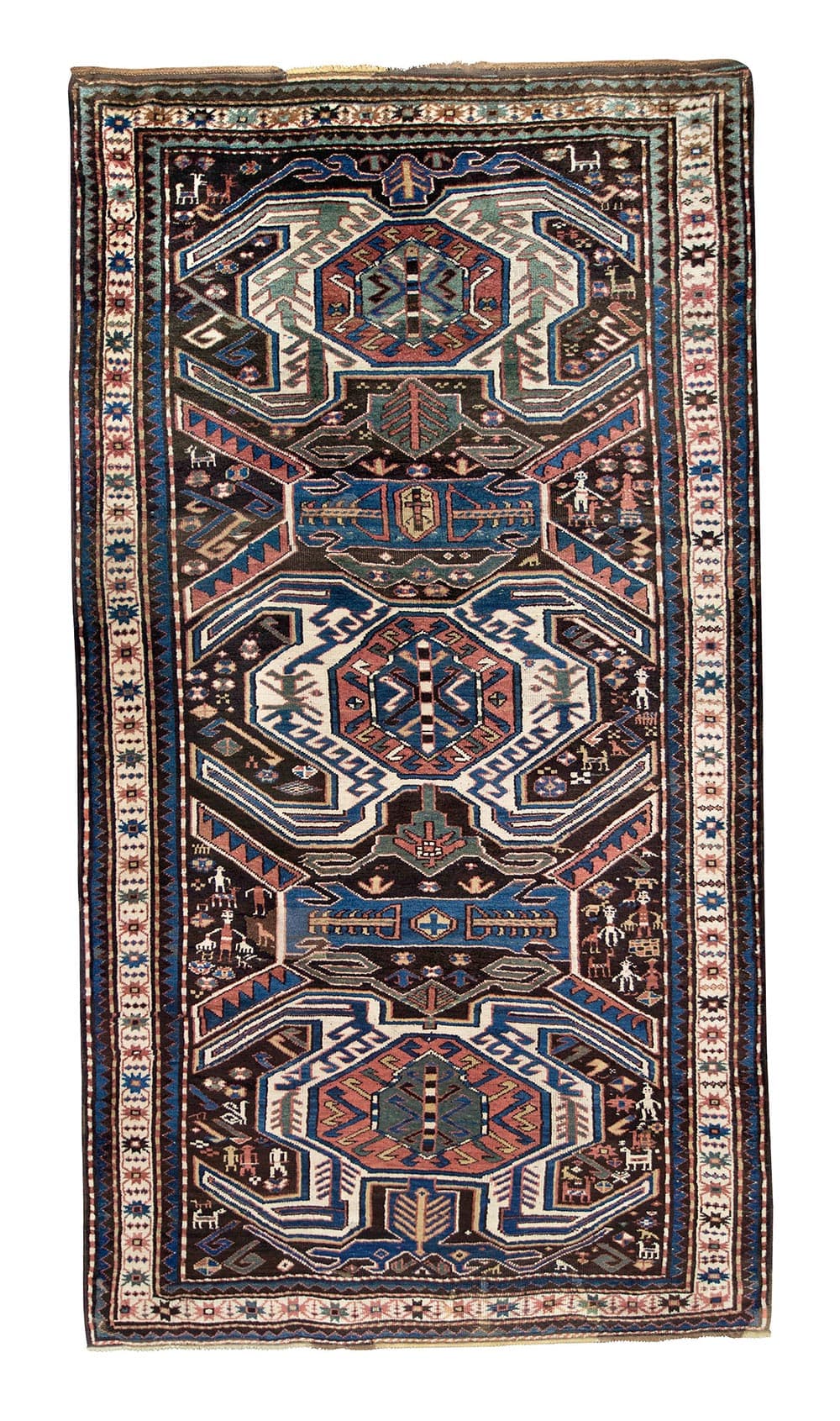 ers adore Caucasian rugs because they are the "rebels" of the rug world. They aren't meant to be perfect; in fact, small "errors" (known as abrash, or intentional color variations) are seen as proof of the weaver's humanity. They fit as naturally in a glass-walled modern loft as they do in a rustic farmhouse.
"A Caucasian rug doesn't just sit on a floor; it tells a story of the person who sat behind the loom, weaving their environment and heritage into every knot."
Conclusion
The history of Caucasian carpets is a story of craftsmanship, cultural identity, and artistic resilience. Rooted in the rugged landscapes of the Caucasus, these rugs combine durable materials, symbolic design, and striking color into timeless works of art. Whether admired in a museum or displayed in a home, Caucasian carpets continue to captivate with their beauty and rich heritage.
The Timeless Beauty Of Exceptional Carpets And Rugs And The Art Of Collecting Them
27 Jan, 2020
5 Unforgotten Craftsmanship Of The Rich Culture Of India
20 Jan, 2020
The Diverse & Ornate Carpets Of Persia
24 Feb, 2023
6 Key Motifs Found in Oriental Rugs: A Cultural Insight
22 Aug, 2024
What Are Kashan Carpets & Why You Should Get One
23 Feb, 2026
Guide To Bakhtiari Carpets: Hand-Knotted Rugs From Zagros Mountains, Iran
13 Feb, 2026
A Brief History Of The First Origins Of Persian Isfahan Carpet
5 Feb, 2026
Heriz Carpets: Vibrant Craftsmanship From The Heart Of Azerbaijan
9 Feb, 2026
Ersari Rugs: A Deep Dive Into The Kepse & Tauk Nuska Gul
18 Feb, 2026

KNOW MORE
Buy
Sell
Request an Estimate
FAQs
Seller Terms
Store Terms
SERVICES
Client Advisory
Restoration
DOWNLOAD THE APP


Copyright 2026 AstaGuru. All Rights Reserved


