the language of colour in indian art
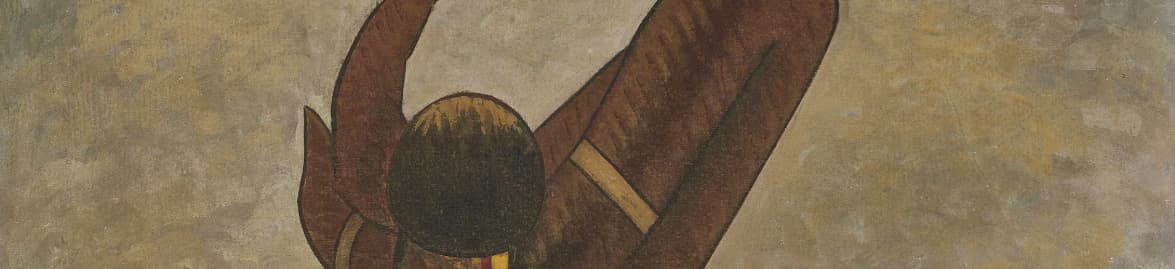
The language of colour in Indian art is a rich and complex tapestry that reflects the diverse cultural, spiritual, and emotional landscapes of the country. Artists such as K.G. Subramanyan, S.H. Raza, F.N. Souza, Ganesh Pyne, Ram Kumar, T. Vaikuntam, Jamini Roy, and Krishen Khanna have each contributed to this vibrant dialogue through their unique colour palettes and artistic expressions. Their works not only showcase individual styles but also embody broader themes related to identity, tradition, and modernity.
K.G. Subramanyan is known for his ability to blend traditional Indian motifs with contemporary themes. His colour palette often features bright, earthy tones that evoke the vibrancy of rural life and folk traditions. Subramanyan's use of colour is deeply tied to storytelling; he employs it to create narratives that resonate with cultural identity and collective memory. His works reflect a keen awareness of the socio-political context in which they were created, using colour to comment on societal issues while celebrating the richness of Indian heritage.
S.H. Raza’s artistic journey is marked by his exploration of spirituality and nature through colour. His iconic "Bindu" series showcases a bold use of primary colours that evoke a sense of cosmic unity and creation. Raza believed that colour could transcend materiality and connect with deeper philosophical concepts. His vibrant hues are not merely aesthetic choices; they are infused with meaning, reflecting his quest for inner harmony and the interconnectedness of all existence. The emotional resonance of Raza’s colour choices invites viewers to engage with the spiritual dimensions of his work.
F.N. Souza’s approach to colour was radically different, characterised by intense contrasts and bold applications. His use of vibrant colours often served as a means to challenge societal norms and express raw emotion. Souza’s palette reflects the tumultuous nature of urban life in India, capturing both its chaos and vibrancy. His paintings frequently depict figures in exaggerated forms and colours that convey psychological depth, making his work a powerful commentary on identity and existence in a rapidly modernising society.
Ganesh Pyne’s work is imbued with a sense of melancholy, reflected in his choice of dark hues interspersed with vivid accents. His colour palette evokes feelings of nostalgia and introspection, often drawing from Bengali folklore and mythology. Pyne’s ability to create haunting atmospheres through colour allows him to explore complex themes such as life, death, and the human experience. His art serves as a bridge between personal memory and collective cultural narratives.
Ram Kumar’s landscapes are marked by a muted yet evocative colour palette that captures the essence of rural India. He often employs soft pastels and earthy tones to convey a sense of tranquillity and introspection. Kumar’s use of colour reflects his deep connection to nature, inviting viewers to contemplate their relationship with the environment. His works are not just representations of place; they evoke emotional responses tied to memory and identity.
T. Vaikuntam’s vibrant depictions of rural life are characterised by bold colours that celebrate Indian culture and traditions. His palette often includes bright yellows, reds, and blues that reflect the vibrancy of village life in Andhra Pradesh. Vaikuntam’s use of colour serves as a celebration of cultural identity while also engaging with themes of gender and social dynamics within rural communities.
Jamini Roy’s work is notable for its use of strong colours inspired by folk art traditions. He often employed a limited palette dominated by earthy tones combined with bright accents to create striking compositions that resonate with cultural authenticity. Roy’s emphasis on colour reflects his commitment to celebrating indigenous art forms while making them accessible to broader audiences.
Krishen Khanna’s artworks explore the complexities of urban existence through their nuanced use of colour. His palette ranges from muted tones to vibrant hues, reflecting the emotional landscape of contemporary life in India. Khanna’s ability to convey depth through colour allows him to address themes such as alienation, identity, and social change within his urban narratives.
In conclusion, the language of colour in Indian art serves as a powerful medium for expressing cultural identity, emotional depth, and social commentary. Artists like K.G. Subramanyan, S.H. Raza, F.N. Souza, Ganesh Pyne, Ram Kumar, T. Vaikuntam, Jamini Roy, and Krishen Khanna have each contributed unique perspectives on how colour can articulate complex narratives tied to personal and collective experiences. Their diverse palettes reflect not only individual artistic journeys but also the broader socio-cultural context in which they operate, making their works resonate deeply within the rich tapestry of Indian art history. As contemporary artists continue to explore these themes through innovative uses of colour, they honour the legacy established by these pioneers while pushing the boundaries of artistic expression in modern India.